
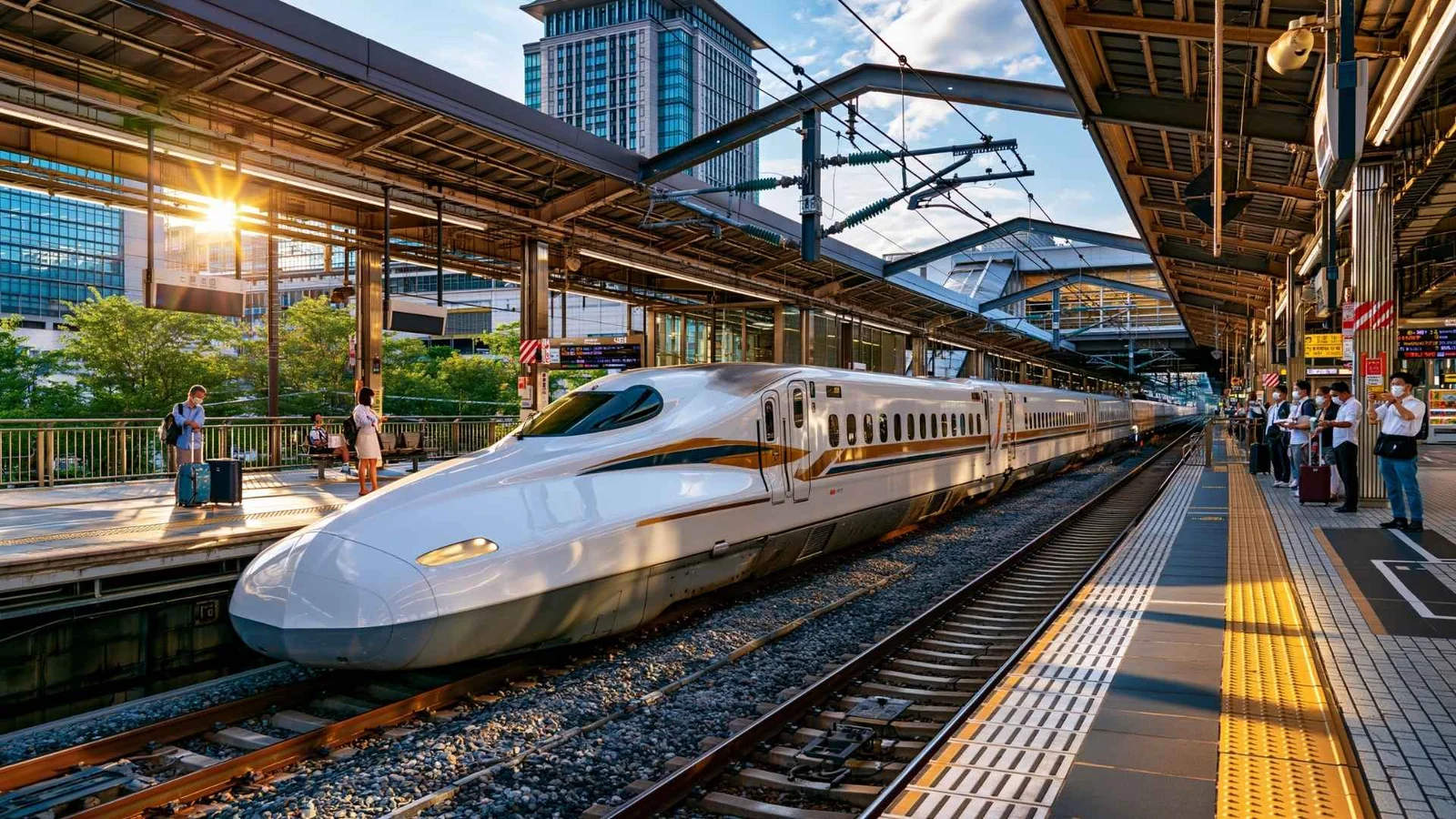
Planning to visit more than one city in Japan? The Japan Rail Pass can make traveling between destinations like Tokyo, Kyoto, Osaka, and Hiroshima easier, but it isn’t the right choice for every itinerary.
After recent price changes, many travelers wonder whether the pass still offers good value. The answer depends on where you’re going and how often you’ll use Japan’s rail network.
This guide explains how the Japan Rail Pass works, what’s included, current prices, and when it’s worth buying. You’ll also learn when individual train tickets or a regional rail pass may be the smarter option.
Quick Answer
If you’re short on time, here’s a quick overview of whether the Japan Rail Pass is right for your trip.
| Japan Rail Pass | Quick Overview |
|---|---|
| Best For | Travelers visiting multiple cities across Japan |
| Validity | 7, 14, or 21 consecutive days |
| Covers | Most JR trains, including many Shinkansen services |
| Worth Buying? | Often yes for multi-city itineraries with several long-distance train journeys |
| Not Ideal For | Tokyo-only or single-region trips |
What Is the Japan Rail Pass?
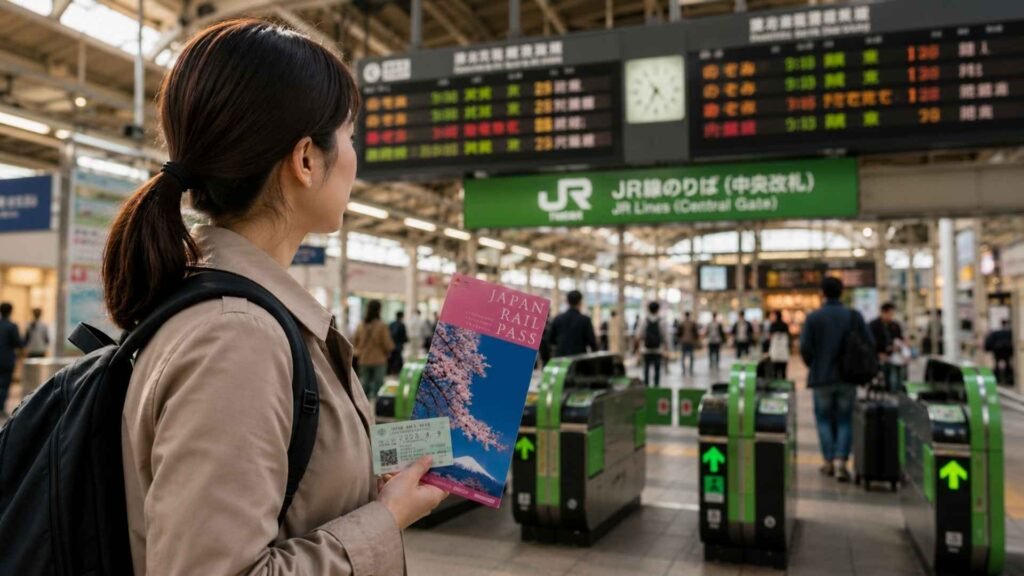
The Japan Rail Pass (JR Pass) is a transportation pass that allows eligible international visitors to travel on most services operated by the Japan Railways (JR) Group for a fixed number of consecutive days.
Instead of buying separate tickets for each journey, you pay one upfront price and can use the pass on eligible trains throughout its validity period.
The nationwide pass is designed for travelers planning to visit several cities and covers much of Japan’s rail network, including routes between Tokyo, Kyoto, Osaka, Hiroshima, and many other destinations.
It can be used on:
- Most Shinkansen (bullet trains)
- Limited Express trains
- Express trains
- Rapid trains
- Local JR trains
- Tokyo Monorail
- Selected JR bus routes
- JR-West Miyajima Ferry
For travelers following a multi-city itinerary, the pass offers both convenience and predictable transportation costs.
Who Can Buy the Japan Rail Pass?
The Japan Rail Pass is available primarily to eligible international visitors entering Japan for tourism.
Eligibility requirements and purchase conditions can change over time, so it’s always worth checking the latest information on the official Japan Rail Pass website before purchasing. There you’ll find the current eligibility rules, purchase options, and terms of use.
How Long Is the Pass Valid?
The nationwide Japan Rail Pass is available in three durations:
| Pass | Validity |
|---|---|
| 7 Days | 7 consecutive days |
| 14 Days | 14 consecutive days |
| 21 Days | 21 consecutive days |
These are consecutive calendar days, not individual travel days.
For example, if you activate a 7-day pass on Monday, it remains valid through Sunday, even if you don’t use it every day.
Choosing the right activation date is one of the easiest ways to maximize the value of your pass.
How Does the Japan Rail Pass Work?
Using the Japan Rail Pass is straightforward.
In most cases, you’ll:
- Purchase the pass.
- Activate it after arriving in Japan.
- Choose the date it becomes valid.
- Travel on eligible JR services during the validity period.
Unlike rechargeable IC cards such as Suica or PASMO, the Japan Rail Pass is designed primarily for long-distance rail travel, not everyday transportation within cities.
Choosing the Best Activation Date
Many first-time visitors spend several days in Tokyo before traveling to Kyoto or Osaka.
Instead of activating the pass as soon as you arrive, consider waiting until your first long-distance train journey. This allows you to include your most expensive rail trips within the pass’s validity period.
For example:
- Days 1–4: Explore Tokyo using local transportation.
- Day 5: Activate the Japan Rail Pass before traveling to Kyoto.
- Continue using the pass for Kyoto, Osaka, Hiroshima, and the return journey to Tokyo.
Clara’s Tip: If your longest train journeys fit within seven consecutive days, delaying activation by just a few days can significantly improve the value of a 7-day Japan Rail Pass.
Can You Reserve Seats?
Yes. One of the biggest advantages of the Japan Rail Pass is that seat reservations are included on many eligible JR trains at no additional charge.
Reservations are especially recommended if you’re traveling during:
- Cherry blossom season
- Golden Week
- Obon holidays
- Autumn foliage season
- New Year holidays
Outside these peak travel periods, many Shinkansen services also offer non-reserved cars, giving you greater flexibility if you prefer not to book in advance.
Who Is the Japan Rail Pass Best For?
The Japan Rail Pass is generally best suited to travelers planning several long-distance train journeys between multiple cities.
| Best For | Usually Not Worth It |
|---|---|
| ✔ Visiting multiple regions across Japan | ❌ Staying only in Tokyo |
| ✔ Taking several long-distance Shinkansen journeys | ❌ Taking just one long-distance train trip |
| ✔ Flexible multi-city itineraries | ❌ Exploring only one region |
| ✔ Travelers who value convenience | ❌ Primarily using local metro systems |
If your itinerary falls somewhere in between, compare the cost of individual train tickets with the price of the Japan Rail Pass before making your decision.
Japan Rail Pass Prices (2026)
The price of the Japan Rail Pass is one of the biggest factors when deciding whether it’s worth buying.
Following the nationwide fare increase introduced in 2023, the pass became significantly more expensive than before. While it can still offer excellent value for travelers covering long distances, it no longer guarantees savings on every itinerary.
Before purchasing, compare the cost of the pass with the train journeys you actually plan to take.
Japan Rail Pass Price Table
As of 2026, the nationwide Japan Rail Pass is available in two travel classes—Ordinary and Green Car—and three validity periods.
| Duration | Ordinary | Green Car |
|---|---|---|
| 7 Days | ¥50,000 | ¥70,000 |
| 14 Days | ¥80,000 | ¥110,000 |
| 21 Days | ¥100,000 | ¥140,000 |
Children aged 6–11 generally pay half the adult fare, while children under six can usually travel free if they don’t occupy their own reserved seat.
For the latest Japan Rail Pass prices and any future fare updates, check the official information before making your purchase.
Ordinary vs Green Car
When purchasing a Japan Rail Pass, you’ll choose between an Ordinary Pass and a Green Car Pass.
The Green Car is Japan’s equivalent of first class on many JR trains and Shinkansen services. It offers more spacious seating, a quieter cabin, and a more premium travel experience.
For most first-time visitors, however, the Ordinary Pass provides the best balance of comfort and value.
| Feature | Ordinary | Green Car |
|---|---|---|
| Seat Comfort | Excellent | Premium |
| Legroom | Very Good | More Spacious |
| Cabin Environment | Comfortable | Quieter |
| Best For | Most Travelers | Extra Comfort |
Clara’s Tip: Unless extra legroom or a quieter cabin is a priority, the Ordinary Pass is usually the better choice. Standard-class Shinkansen seats are already among the most comfortable you’ll find anywhere in the world.
What Does the Japan Rail Pass Cover?
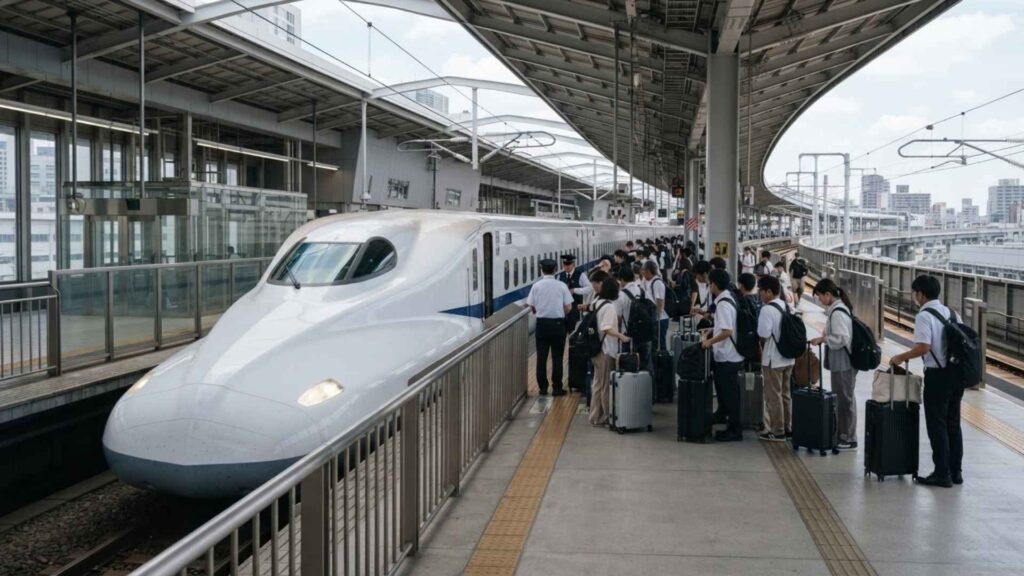
One of the biggest advantages of the Japan Rail Pass is its extensive coverage across the JR network. It includes most long-distance JR trains used by international visitors, making it easy to travel between Japan’s major cities without buying separate tickets for each journey.
Included Transportation
The nationwide Japan Rail Pass covers:
- Most Shinkansen (bullet trains)
- Limited Express trains
- Express trains
- Rapid trains
- Local JR trains
- Tokyo Monorail
- Selected JR bus routes
- JR-West Miyajima Ferry
For most first-time visitors, this is enough to travel between Japan’s most popular destinations.
Which Shinkansen Are Included?
The pass covers most Shinkansen services commonly used by tourists.
| Shinkansen Service | Included |
|---|---|
| Hikari | ✅ Yes |
| Kodama | ✅ Yes |
| Sakura | ✅ Yes |
| Tsubame | ✅ Yes |
These services connect destinations such as Tokyo, Kyoto, Osaka, Hiroshima, and much of Kyushu.
What Isn’t Included?
Although the Japan Rail Pass covers most JR services, it doesn’t include every form of rail transportation in Japan.
You’ll usually need an additional ticket or an IC card for:
- Nozomi Shinkansen (supplement required)
- Mizuho Shinkansen (supplement required)
- Tokyo Metro
- Osaka Metro
- Kyoto Municipal Subway
- Most private railway companies
If your trip includes frequent metro travel within cities, it’s worth budgeting for these additional transportation costs.
Airport Trains and Local Transportation
Several popular airport rail services are included with the Japan Rail Pass, including the Narita Express, Tokyo Monorail, and Haruka Express.
For everyday travel within cities, however, many visitors use a rechargeable IC card such as Suica, PASMO, or ICOCA to pay for metro systems, buses, and private railways that aren’t covered by the pass.
Is the Japan Rail Pass Worth It?
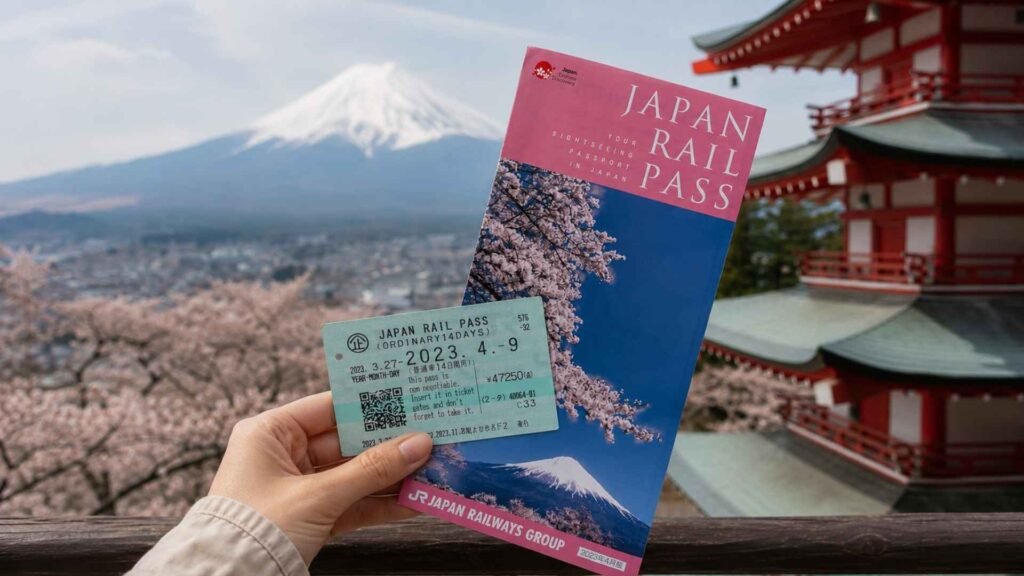
Whether the Japan Rail Pass is worth buying depends entirely on your itinerary.
If your trip includes several long-distance Shinkansen journeys across multiple regions, the pass can be a convenient and cost-effective option. For shorter trips, however, individual tickets or a regional rail pass may be the better choice.
Rather than assuming the pass will save money, compare it with the train journeys you actually plan to take before making your decision.
When the Japan Rail Pass Is Worth Buying
The nationwide pass is often a good investment if you:
- Visit several regions during one trip.
- Take multiple long-distance Shinkansen journeys.
- Travel extensively within 7, 14, or 21 consecutive days.
- Prefer the flexibility of unlimited JR travel.
- Want to avoid buying separate tickets for each journey.
The more long-distance JR trains you use during the validity period, the more likely the pass is to pay for itself.
When You Can Skip It
You may not need the Japan Rail Pass if you:
- Stay only in Tokyo.
- Visit just Tokyo, Kyoto, and Osaka.
- Spend most of your time using city subways.
- Explore only one region of Japan.
- Plan only one long-distance train journey.
In these situations, buying individual tickets or choosing a regional rail pass is often the more economical option.
Real Travel Scenarios
The easiest way to decide is to compare your itinerary with common travel routes.
| Your Itinerary | Recommendation |
|---|---|
| Tokyo only | ❌ Skip the pass |
| Tokyo → Kyoto → Osaka | ⚠️ Compare individual tickets |
| Tokyo → Kyoto → Osaka → Hiroshima | ✅ Often worth considering |
| Multiple regions across Japan | ✅ Usually a good choice |
| Kansai, Kyushu, or Hokkaido only | ⚠️ Compare regional rail passes |
Rather than asking whether the Japan Rail Pass is “good” or “bad,” focus on whether it matches the way you plan to travel.
What About the Shinkansen?
One reason many travelers choose the Japan Rail Pass is access to most Shinkansen services used by first-time visitors.
As shown in the coverage section above, the pass includes trains such as Hikari, Kodama, Sakura, and Tsubame. The fastest Nozomi and Mizuho services require an additional supplemental ticket.
For example, the journey between Tokyo and Kyoto takes around 2 hours 40 minutes on the Hikari compared with approximately 2 hours 15 minutes on the Nozomi. For most travelers, the small time difference isn’t enough to justify paying extra.
If you’d like to compare routes, travel times, and onboard services, the official Tokaido Shinkansen guide provides detailed information about Japan’s busiest high-speed rail corridor.
Nationwide vs Regional Rail Passes
If you’re traveling across several regions, the nationwide Japan Rail Pass is usually the better option.
If you’re staying within one region, however, a regional pass often offers better value.
| If You’re Visiting… | Consider… |
|---|---|
| Tokyo and eastern Japan | JR East Pass |
| Kyoto, Osaka, Nara | JR West Kansai Area Pass |
| Kyushu | JR Kyushu Rail Pass |
| Hokkaido | JR Hokkaido Rail Pass |
Regional passes generally cost much less than the nationwide Japan Rail Pass because they cover a smaller area.
If your itinerary is limited to one region, compare both options before purchasing.
Example Cost Comparisons
The examples below show why the value of the Japan Rail Pass depends on your itinerary rather than the length of your trip.
| Sample Itinerary | Approximate Individual Ticket Cost | Recommendation |
|---|---|---|
| Tokyo → Kyoto → Osaka → Tokyo | Around ¥29,000–33,000 | Individual tickets are often the better value. |
| Tokyo → Kyoto → Osaka → Hiroshima → Tokyo | Around ¥43,000–49,000 | The Japan Rail Pass becomes much more competitive and may offer better overall value, depending on your travel plans. |
Clara’s Tip
Don’t choose a rail pass first and build your itinerary around it. Plan your trip first, then compare the total cost of your train journeys with the price of the pass. This simple approach usually leads to the best value.
How to Buy the Japan Rail Pass
Once you’ve finalized your itinerary, purchasing the Japan Rail Pass is straightforward.
The easiest and most reliable option is to buy directly through the official Japan Rail Pass website, where you’ll find the latest eligibility requirements, participating operators, purchase options, and current terms and conditions. You can also purchase the pass through authorized overseas retailers before your trip.
Travel Update (2026)
JR Group has announced that from October 1, 2026, Japan Rail Passes purchased through overseas authorized retailers will be subject to updated pricing.
If you’re planning to travel after October 2026, check the latest pricing information before purchasing your pass.
When Should You Buy?
The best time to buy a Japan Rail Pass is after you’ve planned your itinerary.
Once you know:
- Which cities you’ll visit
- How many long-distance train journeys you’ll take
- When you’ll travel between regions
you can compare the total cost of individual tickets with the price of the pass and decide which option offers the best value.
Clara’s Tip: Don’t buy a Japan Rail Pass simply because you’re visiting Japan. Plan your route first, estimate your train costs, and then decide whether the pass will actually save you money.
Seat Reservations

Seat reservations are included on many JR trains covered by the Japan Rail Pass and are recommended on popular routes, especially during busy travel seasons.
While many trains also offer non-reserved cars, reserving a seat guarantees your place and provides extra peace of mind during long-distance journeys.
When Should You Reserve?
Seat reservations are strongly recommended during:
- Cherry blossom season
- Golden Week
- Obon holidays
- Autumn foliage season
- New Year holidays
They’re also a good idea for families, groups, and travelers carrying large luggage.
Clara’s Tip: Popular Shinkansen services can fill quickly during Japan’s busiest travel periods. Reserving your seat soon after confirming your travel dates gives you the widest choice of departure times.
Reserved vs Non-Reserved Cars
| Reserved Cars | Non-Reserved Cars |
|---|---|
| Guaranteed seat | First-come, first-served seating |
| Best during busy seasons | Better for flexible travel |
| Ideal for families and groups | Suitable during quieter periods |
Both options offer the same onboard comfort. The main difference is whether your seat is guaranteed before departure.
Common Mistakes to Avoid
A little planning goes a long way when using the Japan Rail Pass. Avoiding these common mistakes can help you get better value and enjoy a smoother trip.
Buying the Pass Without Comparing Train Costs
A common mistake is purchasing the Japan Rail Pass without estimating the cost of your planned train journeys first.
Before buying the pass, calculate the total cost of your long-distance rail travel. Depending on your itinerary, individual tickets or a regional rail pass may provide better overall value than the nationwide Japan Rail Pass.
Activating the Pass Too Early
If you’re spending your first few days exploring Tokyo, there’s usually no need to activate your Japan Rail Pass immediately after arriving.
Instead, consider activating it on the day your first long-distance train journey begins so you can make the most of its validity period.
Assuming Every Train Is Covered
The Japan Rail Pass covers most JR-operated trains, but it doesn’t include every railway or metro system in Japan.
You’ll still need an IC card or separate tickets for many subway systems, private railways, and other local transportation.
Not Reserving Seats During Peak Seasons
If you’re visiting during cherry blossom season, Golden Week, Obon, or the New Year holidays, reserve your seats as early as possible.
Seat reservations are included on many eligible JR trains and can save time during Japan’s busiest travel periods.
Frequently Asked Questions
Is the Japan Rail Pass worth it?
It depends on your itinerary. Travelers visiting multiple regions often benefit from the pass, while those staying in one city or region may spend less by purchasing individual tickets or a regional rail pass.
Does the Japan Rail Pass cover the Shinkansen?
Yes. It covers most Shinkansen services, including Hikari, Kodama, Sakura, and Tsubame trains.
The fastest Nozomi and Mizuho services require an additional supplemental ticket.
Can I use the Japan Rail Pass on local trains?
Yes. The pass covers local JR trains but doesn’t include most metro systems or private railway companies.
Is seat reservation included?
Yes. Seat reservations are available on many eligible JR trains at no additional charge and are recommended during busy travel seasons.
Can I activate the Japan Rail Pass after arriving in Japan?
Yes. In fact, many travelers wait until their first long-distance train journey to activate the pass and maximize its value.
Where can I check the latest prices and eligibility?
The official Japan Rail Pass website is the best place to find current prices, eligibility requirements, participating operators, and the latest travel updates.
Final Verdict
The Japan Rail Pass can still be an excellent investment, but only if it matches your itinerary.
If you’re traveling between multiple cities such as Tokyo, Kyoto, Osaka, and Hiroshima, it offers outstanding convenience and can provide good value. For shorter trips or vacations focused on a single region, individual tickets or a regional rail pass are often the better choice.
Plan your route first, compare your expected transportation costs, and choose the option that best fits your trip.
Continue Planning Your Japan Trip
Planning your transportation is only one part of your trip. These guides will help you organize the rest of your itinerary:
👉 Japan Itinerary for First-Time Visitors: The Best Route for Your First Trip
👉 Japan Itinerary for 14 Days: The Perfect First-Time Route
👉 Japan Trip Cost: How Much Does a Trip to Japan Cost in 2026?