
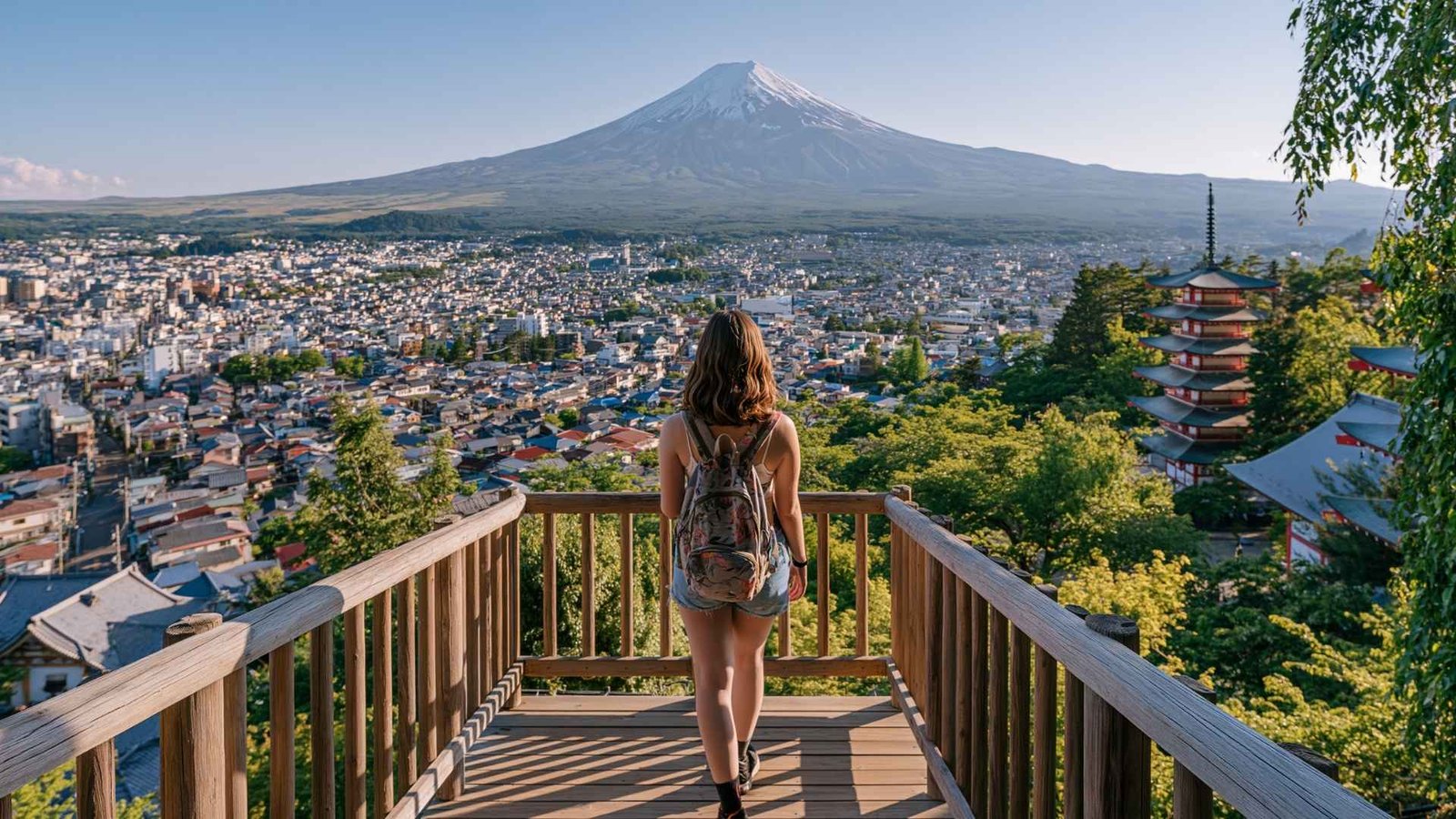
Planning your first trip to Japan can feel overwhelming, especially with so many incredible places to choose from.
A well-planned Japan itinerary for first-time visitors focuses on the right destinations rather than trying to see everything. The classic route through Tokyo, Hakone or Mount Fuji, Kyoto, Nara, and Osaka offers the perfect balance of modern cities, traditional culture, natural scenery, and unforgettable food.
This guide explains why this route works so well, how many days you’ll need, and how to plan your first trip with confidence.
Quick Answer: The Best Japan Itinerary for First-Time Visitors
For most travelers, the best Japan itinerary for first-time visitors follows this route:
| Destination | Recommended Stay | Best Known For |
|---|---|---|
| Tokyo | 4–5 Days | Modern Japan, shopping, food, culture |
| Hakone or Mount Fuji | 1–2 Days | Onsen, mountain scenery, Fuji views |
| Kyoto | 3 Days | Historic temples and traditional culture |
| Nara | Day Trip | Todaiji Temple and Nara Park |
| Osaka | 2–3 Days | Street food, nightlife, entertainment |
For most first-time visitors, 10 to 14 days offers the best balance between sightseeing and relaxation.
If your trip is shorter, this route can easily be adapted into one week. If you have more time, you can expand it into a two or three-week journey without changing its overall structure.
Not sure which itinerary fits your schedule? Continue reading for our detailed comparison of 7-day, 10-day, 14-day, and 21-day Japan itineraries to find the option that best matches your travel style.
At a Glance
Best for: First-time visitors who want to experience Japan’s biggest highlights without constantly changing hotels.
Recommended trip length: 10–14 days
Best seasons: Spring (late March to early April) and autumn (late October to November)
Japan Rail Pass: Worth considering for some itineraries, but not essential for every traveler
Suggested arrival airport: Tokyo (Narita or Haneda)
Suggested departure airport: Osaka (Kansai International Airport)
Why Your First Japan Itinerary Matters
Japan’s transport system makes it surprisingly easy to travel between cities, but that convenience can also lead to Japan’s transport system makes it surprisingly easy to travel between cities, but that convenience can also lead to overplanning.
Many first-time visitors try to include as many destinations as possible, assuming that fast trains make every city worth adding. In reality, every extra stop means more travel time, hotel check-ins, and less time enjoying each destination.
A successful first trip isn’t about seeing every famous place—it’s about experiencing the variety that makes Japan unique. The route recommended in this guide combines modern cities, traditional culture, beautiful landscapes, and regional food while keeping travel practical and comfortable.
Some of the best memories aren’t created by rushing between attractions. They come from discovering a quiet shrine, finding a small local restaurant, watching the sunset over Lake Ashi, or simply wandering through Kyoto without feeling pressured to follow a checklist.
Who Is This Itinerary Best For?
This Japan itinerary for first-time visitors is designed for travelers who want to experience Japan’s biggest highlights without making the trip feel rushed.
This route is ideal if you:
- are visiting Japan for the first time
- have between one and two weeks available
- want to experience both modern cities and traditional culture
- prefer changing hotels only a few times
- enjoy a balanced pace instead of rushing between destinations
If your main goal is skiing in Hokkaido, exploring Okinawa’s beaches, or hiking through the Japanese Alps, you’ll probably want a different itinerary.
For a first visit, however, the classic route offers the best introduction to Japan’s history, culture, and everyday life.
Recommended Japan Route for First-Time Visitors
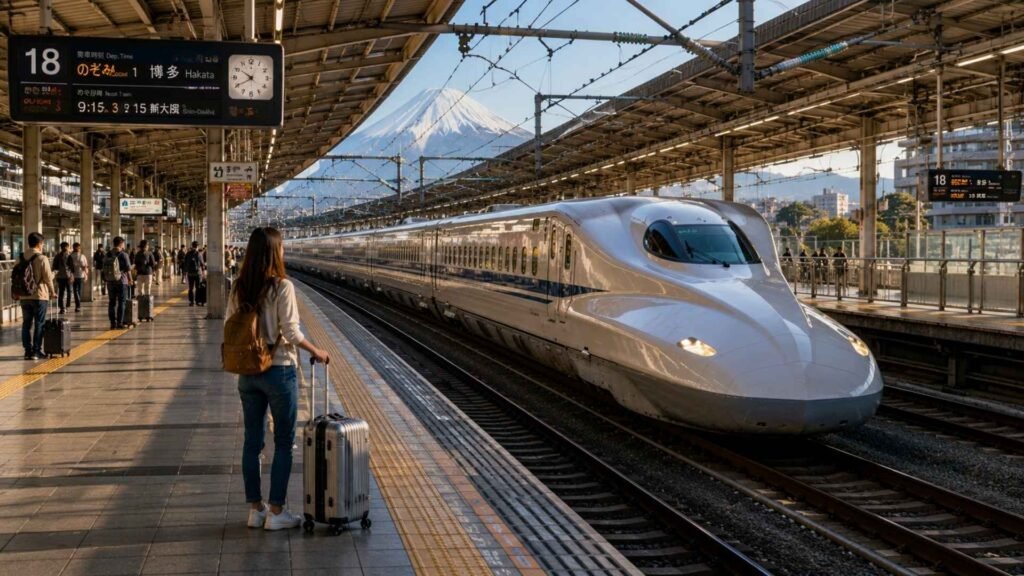
For most travelers, we recommend following this route:
Tokyo → Hakone (or Mount Fuji) → Kyoto → Nara → Osaka
This itinerary has remained one of Japan’s most popular travel routes for decades because it offers an excellent balance between sightseeing and transportation.
Instead of jumping across the country, each destination naturally leads to the next, creating a journey that’s both efficient and rewarding.
You’ll begin in Tokyo, where modern Japan comes to life through world-class dining, shopping, and vibrant neighborhoods.
Next comes Hakone or the Mount Fuji area, offering mountain scenery, hot springs, and a slower pace after several busy days in the capital.
Kyoto then introduces Japan’s cultural heritage through historic streets, temples, and centuries-old traditions. A day trip to nearby Nara adds another layer of history before the journey ends in Osaka, a city famous for its welcoming atmosphere and outstanding food culture.
Together, these destinations provide a well-rounded introduction to Japan without requiring unnecessary detours or constant hotel changes.
Why This Route Works So Well
This route has remained popular for decades not because it’s the only way to experience Japan, but because it introduces first-time visitors to the country’s greatest variety of experiences without making the journey unnecessarily complicated.
Along the way, you’ll experience:
- modern cities
- traditional culture
- mountain landscapes
- regional food
- efficient rail travel
- minimal backtracking
By travelling steadily from east to west, you’ll spend less time moving between destinations and more time enjoying each one, creating a journey that feels balanced rather than rushed.
Destination Comparison
| Destination | Ideal Stay | Best For |
|---|---|---|
| Tokyo | 4–5 Days | Modern city life and first-time visitors |
| Hakone | 1–2 Days | Onsen, nature, Mount Fuji views |
| Kyoto | 3 Days | Traditional culture and history |
| Nara | Day Trip | Historic landmarks and relaxed sightseeing |
| Osaka | 2–3 Days | Food, nightlife, and ending your trip |
In the following sections, we’ll explain why each destination deserves its place in your itinerary, how long you should stay, and how to adapt this route to different trip lengths without feeling rushed.
Tokyo — The Best Place to Begin Your First Trip
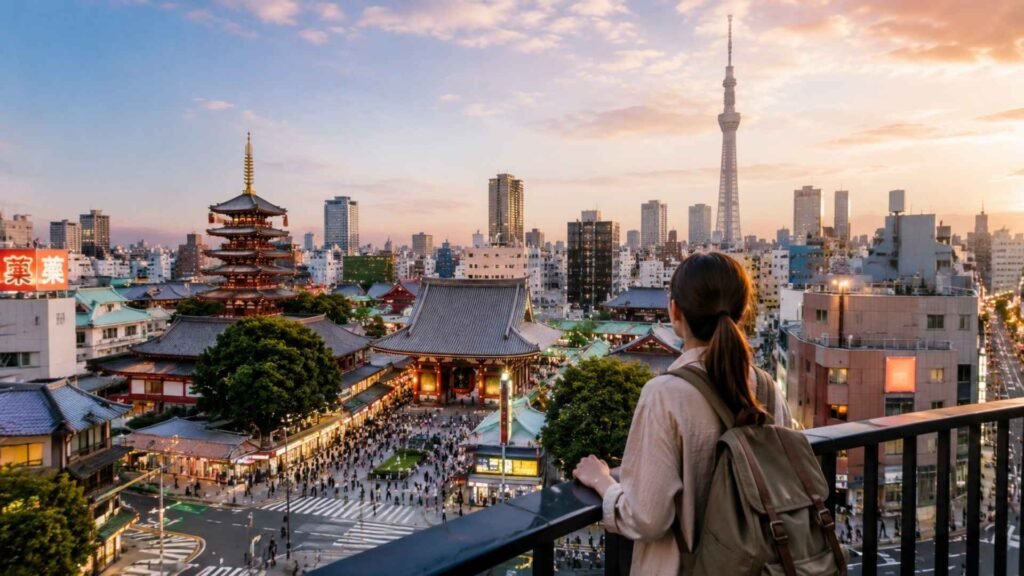
For almost every traveler, Tokyo is the ideal place to begin a Japan itinerary for first-time visitors.
As Japan’s largest city and the arrival point for most international flights, it provides a smooth introduction to the country. Spending your first few days here gives you time to adjust to the time difference, become familiar with Japan’s transport system, and settle into the rhythm of daily life before continuing to other destinations.
Rather than rushing straight onto another train after a long flight, Tokyo allows you to start your journey at a comfortable pace.
Tokyo is often described as a city of contrasts.
Modern skyscrapers stand alongside centuries-old temples, quiet gardens sit just minutes from busy shopping districts, and tiny family-run restaurants can be found only a short walk from some of the world’s busiest railway stations.
This balance between tradition and innovation makes Tokyo the perfect introduction to Japan.
How Long Should You Stay?
For most first-time visitors, four to five days is ideal.
This gives you enough time to experience several different sides of the city without feeling pressured to rush from one attraction to the next.
Tokyo offers something for almost every traveler, including:
- modern shopping districts
- historic temples and shrines
- outstanding food
- museums and cultural attractions
- nightlife and entertainment
- traditional neighbourhoods
Rather than trying to visit every famous landmark, explore one or two neighbourhoods each day. Areas such as Shibuya, Shinjuku, Asakusa, Ueno, and Ginza each offer a different perspective on the city without requiring you to see everything on a single trip.
Why Tokyo Comes First
Starting your journey in Tokyo isn’t simply the most convenient option—it’s also the most practical.
During your first few days you’ll naturally become familiar with Japanese customs, public transport, convenience stores, restaurants, and everyday etiquette.
That confidence makes the rest of your trip much easier.
By the time you arrive in Kyoto or Osaka, navigating stations, ordering meals, and using local transport will already feel familiar.
Tokyo also offers enough variety that every traveler can shape the city around their own interests.
Whether you enjoy food, architecture, shopping, museums, anime culture, parks, or historic temples, you’ll find experiences that match your travel style without needing to leave the city.
💡 Clara’s Tip
Don’t try to “complete” Tokyo on your first visit. Instead of racing between landmarks, explore one neighbourhood at a time and leave room for spontaneous discoveries. You’ll enjoy the city far more—and you’ll have a great reason to return to Japan in the future.
Hakone or Mount Fuji — Slow Down Between Cities
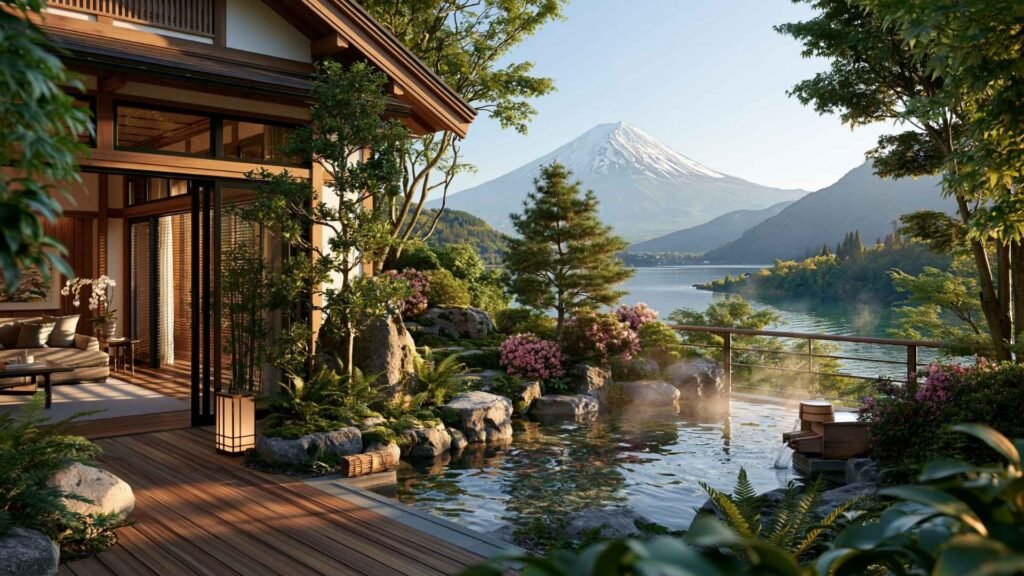
After the energy of Tokyo, the next stop on your itinerary offers a completely different experience.
Hakone and the Mount Fuji area introduce Japan’s quieter side through mountain scenery, traditional ryokan, natural hot springs, and some of the country’s most iconic landscapes.
This contrast is one of the biggest reasons the classic route works so well.
Instead of moving directly from one major city to another, you pause for a day or two before continuing to Kyoto.
Many travelers consider skipping this stop to spend more time in Tokyo or Osaka.
While that may seem tempting, adding Hakone or the Mount Fuji region creates a much more balanced itinerary.
It allows you to experience another side of Japan that simply can’t be found in its largest cities.
Hakone or Mount Fuji: Which Should You Choose?
Although these destinations are often grouped together, they offer different experiences.
| Destination | Best For | Recommended Stay |
|---|---|---|
| Hakone | Traditional ryokan, onsen, relaxation and Lake Ashi | 1 night |
| Mount Fuji (Fuji Five Lakes) | Scenic viewpoints, photography and outdoor experiences | 1–2 nights |
Hakone is the better choice if you’re looking for a relaxing overnight stay and your first onsen experience.
The Fuji Five Lakes region is ideal if seeing Mount Fuji is one of your highest priorities.
Whichever option you choose, this stop adds variety to your journey before you continue toward Kyoto.
Mount Fuji is visible throughout the year, but weather conditions play a significant role.
The clearest views are generally more common during the cooler months, particularly from October through February, although clear days are possible in every season.
If seeing the mountain is important to you, spending a night in the area gives you a much better chance than visiting on a rushed day trip.
For current weather and visibility information, check the official Japan Meteorological Agency before your visit.
💡 Clara’s Tip
If your schedule allows, spend one night in Hakone instead of making a day trip. Staying overnight gives you time to enjoy a traditional ryokan, relax in an onsen, and experience the region after most day visitors have left.
Why This Stop Is Worth It
Hakone or the Mount Fuji area isn’t included simply to add another destination to your itinerary.
Instead, it gives you the opportunity to experience:
- traditional ryokan accommodation
- relaxing onsen culture
- mountain scenery
- Lake Ashi and surrounding nature
- a slower pace between Japan’s major cities
After several busy days in Tokyo, slowing down for a night helps the journey feel more balanced before continuing to Kyoto.
It’s also where many first-time visitors experience a traditional ryokan or onsen for the first time, creating memories that are often among the highlights of the trip.
If you’re planning to explore beyond this classic route, the Japan National Tourism Organization (JNTO) offers official destination guides, transportation information, and seasonal travel resources to help you plan the rest of your journey.
Kyoto — The Cultural Heart of Japan
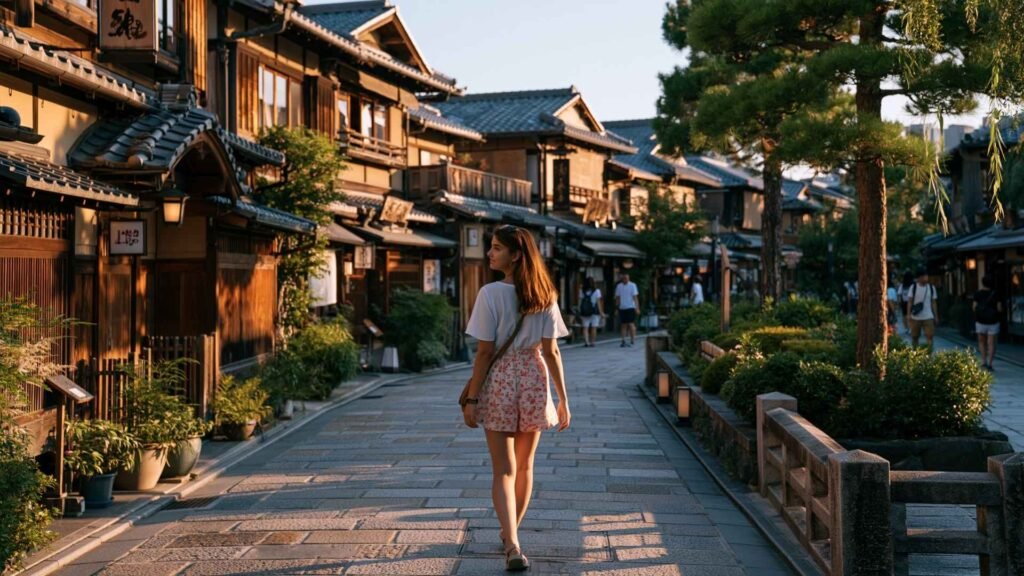
No Japan itinerary for first-time visitors feels complete without Kyoto.
As Japan’s imperial capital for more than a thousand years, Kyoto offers the cultural experiences that many travelers imagine long before they arrive. Historic temples, traditional streets, peaceful gardens, and centuries-old customs create a striking contrast to Tokyo’s modern skyline.
For many visitors, Kyoto becomes the highlight of their first trip—not because it has the most famous attractions, but because it offers an atmosphere unlike anywhere else in the country.
One of Kyoto’s greatest strengths is its slower pace.
Rather than encouraging you to rush between landmarks, the city rewards travelers who take their time.
Walking through historic neighbourhoods, relaxing in traditional cafés, or simply exploring quiet streets often becomes just as memorable as visiting Kyoto’s best-known temples.
How Long Should You Stay?
For most first-time visitors, three full days is the ideal amount of time.
This gives you enough flexibility to experience Kyoto’s cultural highlights while still leaving room for quieter moments away from the busiest tourist areas.
If your trip lasts only one week, two days can still provide a rewarding introduction. However, if you have ten to fourteen days available, cutting time from Kyoto is rarely a good idea.
Many visitors underestimate the size of Kyoto.
Its most famous districts are spread across different parts of the city, and travelling between them often takes longer than expected.
Allowing an extra day usually creates a much more relaxed experience than trying to fit everything into a tightly packed schedule.
More Than Temples
Kyoto is famous for its temples, but that’s only part of the experience.
The city is equally rewarding for its:
- traditional tea culture
- historic wooden neighbourhoods
- seasonal cuisine
- local craftsmanship
- peaceful gardens
- centuries-old architecture
Instead of treating Kyoto as a checklist of famous landmarks, allow time to experience the atmosphere that makes the city so distinctive.
💡 Clara’s Tip
Start sightseeing early whenever possible. Popular temples and historic districts are noticeably quieter in the morning, allowing you to enjoy a more relaxed atmosphere before the largest tour groups arrive.
Why Kyoto Makes the Perfect Base
Another advantage of staying several days in Kyoto is its location.
The city sits at the centre of the Kansai region, making it an excellent base for nearby destinations without constantly changing hotels.
Day trips to places like Nara are quick and straightforward, while Osaka is close enough to continue your journey without retracing your steps.
Using Kyoto as a base keeps your itinerary simple and gives you more time to explore instead of packing and unpacking every day.
Nara — A Day Trip You Shouldn’t Skip
Although much smaller than Tokyo, Kyoto, or Osaka, Nara adds an important chapter to your first journey through Japan.
Located less than an hour from both Kyoto and Osaka, it’s one of the easiest destinations to include without adding another hotel stay. That convenience alone makes it an excellent stop, but Nara also offers a fascinating glimpse into Japan’s early history.
Highlights of a visit include:
- Todaiji Temple, one of Japan’s most significant Buddhist temples
- Nara Park and its famous free-roaming deer
- peaceful walking paths and historic surroundings
- an easy day trip without changing hotels
Most visitors can comfortably explore Nara in a single day before returning to Kyoto or continuing to Osaka.
Osaka — The Perfect Way to End Your Trip
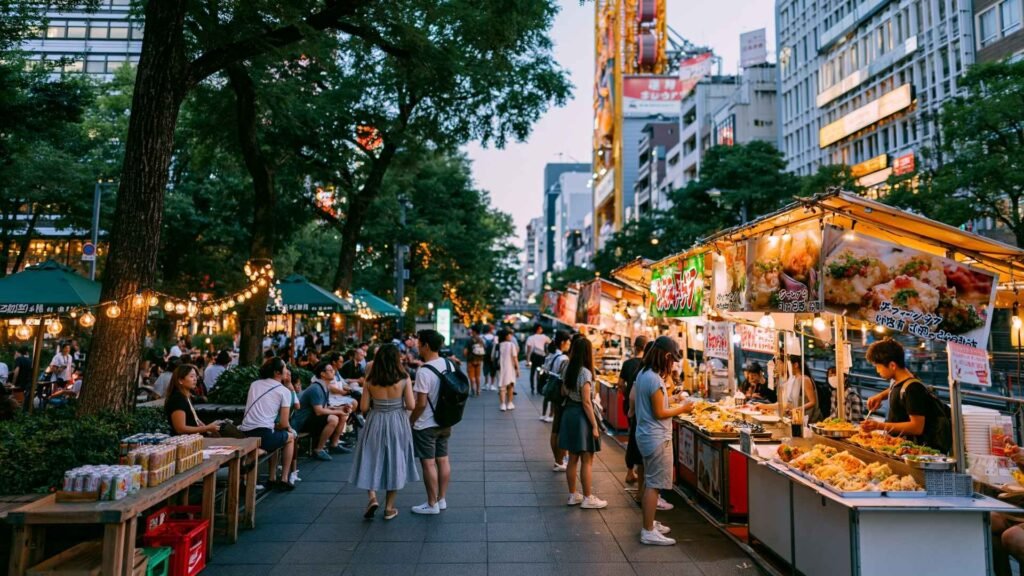
After experiencing Tokyo’s energy, Hakone’s natural scenery, Kyoto’s traditions, and Nara’s history, Osaka provides a lively and memorable finale.
Known for its welcoming atmosphere and outstanding food culture, the city offers a different perspective on modern Japan while remaining easy to explore.
For many travelers, Osaka feels more relaxed than Tokyo, making it the ideal place to finish the journey.
How Long Should You Stay?
For most first-time visitors, two to three days is enough.
During your stay you can enjoy:
- Osaka’s famous food scene
- lively shopping districts
- nightlife
- Universal Studios Japan
- nearby day trips if your schedule allows
Ending your trip in Osaka also makes it easier to fly home through Kansai International Airport without returning to Tokyo.
💡 Clara’s Tip
If flight prices are similar, book an open-jaw itinerary by arriving in Tokyo and departing from Osaka. It eliminates unnecessary backtracking and is often the most efficient way to experience Japan for the first time.
From Here, the Route Becomes Flexible
By the time you reach Osaka, you’ve experienced four very different sides of Japan:
- Tokyo’s modern city life.
- Hakone or Mount Fuji’s natural landscapes.
- Kyoto’s cultural heritage.
- Nara’s historic landmarks.
From this point, you can either return home or continue your journey with additional destinations if you have more time available.
The next section explains how to adapt this route into 7-day, 10-day, 14-day, and 21-day itineraries, helping you choose the version that best matches your schedule.
How Many Days Should You Spend in Japan?

One of the biggest strengths of this route is its flexibility.
Whether you have one week or three, the overall structure remains the same. The difference is simply how much time you spend in each destination and whether you choose to add extra stops along the way.
Which Trip Length Is Right for You?
| Trip Length | Best For | Travel Pace |
|---|---|---|
| 7 Days | Short vacations | Fast-paced |
| 10 Days | Most first-time visitors | Balanced |
| 14 Days | Our recommendation | Comfortable |
| 21 Days | Slow travel | Relaxed |
7 Days — The Best Route for a Short Trip
A one-week trip focuses on Japan’s biggest highlights.
Most travelers divide their time between Tokyo and Kyoto before adding either Osaka or a day trip to Nara.
If you’re working with limited vacation time, our detailed Japan Itinerary for 7 Days guide explains how to make the most of every day.
→ Read our complete Japan Itinerary for 7 Days guide. (Coming Soon)
10 Days — The Ideal Balance of Time and Experience
Ten days offers a much more comfortable pace.
You’ll have enough time to include Tokyo, Hakone or Mount Fuji, Kyoto, Nara, and Osaka without feeling rushed.
For many travelers, this provides the best balance between sightseeing and relaxation.
Our detailed Japan Itinerary for 10 Days guide expands on this route with practical day-by-day recommendations and planning tips.
→ Explore the complete Japan Itinerary for 10 Days. (Coming Soon)
14 Days — Our Recommended First-Time Itinerary
If your schedule allows, this is our top recommendation.
Two weeks gives you time to experience each destination properly while leaving room for slower mornings, seasonal activities, and unexpected discoveries.
Our detailed Japan Itinerary for 14 Days guide builds on the route introduced in this article.
→ See the complete Japan Itinerary for 14 Days. (Coming Soon)
21 Days — The Ultimate Slow Travel Experience
Three weeks allows you to travel at a much slower pace.
You can comfortably add destinations such as Hiroshima, Miyajima, Kanazawa, Takayama, or Nikko without making the journey feel rushed.
This option is ideal for travelers planning an extended holiday or a once-in-a-lifetime visit.
→ Read our complete Japan Itinerary for 21 Days guide. (Coming Soon)
Should You Buy the Japan Rail Pass?
Whether the Japan Rail Pass is worth buying depends entirely on your itinerary.
Following the route in this guide doesn’t automatically mean you’ll save money with a nationwide rail pass. Since ticket prices changed, many travelers now find that purchasing individual tickets offers better value.
Before making a decision, compare the cost of your planned train journeys with the latest pass prices and coverage details published by JR Group. A quick comparison can help you decide whether a nationwide pass or individual tickets are the better choice for your trip.
💡 Clara’s Tip
Don’t assume the Japan Rail Pass is the cheapest option. Calculate the cost of your long-distance train journeys first, then compare that total with the current rail pass price before buying.
Common First-Time Japan Itinerary Mistakes
The most common planning mistakes include:
– booking too late during peak seasons
– trying to visit too many cities
– changing hotels too often
– underestimating travel time
Trying to See Too Much
Adding too many destinations usually means spending more time traveling than exploring.
A simpler itinerary often provides a much better overall experience.
Changing Hotels Too Often
Frequent hotel changes can quickly become tiring.
Staying longer in Tokyo and Kyoto before finishing in Osaka creates a more comfortable journey.
Underestimating Travel Time
Train journeys are only part of the equation.
Local transport, hotel check-ins, and navigating stations all take additional time, so avoid planning every hour of your day.
Booking Too Late
Japan’s busiest travel periods include late March to early April (cherry blossom season), Golden Week (late April to early May), and late October through November (autumn foliage).
If you’re visiting during these periods, book accommodation and popular attractions as early as possible.
Frequently Asked Questions
Is 7 days enough for a first trip to Japan?
Yes. One week allows you to experience Japan’s highlights, although you’ll need to travel at a faster pace and focus on fewer destinations.
Is 10 or 14 days better?
Both are excellent choices, but if your schedule allows, fourteen days provides a more relaxed experience and greater flexibility.
Is Hakone worth visiting?
Yes. Hakone offers a completely different side of Japan through mountain scenery, traditional ryokan, and hot springs, making it an excellent contrast to Tokyo and Kyoto.
Should I spend more time in Tokyo or Kyoto?
Most first-time visitors should plan enough time for both.
Tokyo introduces modern Japan, while Kyoto offers the country’s cultural and historical heart.
Is the Japan Rail Pass worth buying?
It depends on your itinerary.
Compare the cost of individual train tickets with the current pass price before making your decision.
Which airport should I use?
For most travelers, arriving in Tokyo (Narita or Haneda) and departing from Osaka (Kansai International Airport) is the most efficient option.
What is the best time to visit Japan?
Late March to early April is famous for cherry blossoms, while late October through November is known for autumn colours.
Spring and autumn are also the busiest travel seasons, so booking early is recommended.
Can I extend this itinerary?
Absolutely.
This route forms the foundation of longer itineraries and can easily be expanded with destinations such as Hiroshima, Miyajima, Kanazawa, Takayama, or Nikko.
Final Thoughts
A great Japan itinerary for first-time visitors isn’t about seeing every famous destination—it’s about experiencing the right ones at a comfortable pace.
Following the classic route through Tokyo, Hakone or Mount Fuji, Kyoto, Nara, and Osaka offers an excellent introduction to Japan’s modern cities, cultural heritage, natural landscapes, and unforgettable food.
Use this guide as the starting point for your journey, then explore our detailed itineraries to build the route that best matches your schedule, budget, and travel style.
Continue Planning Your Japan Trip
Continue planning with these guides:
Plan Your Itinerary
- Japan Travel Guide
- Japan Itinerary for 7 Days
- Japan Itinerary for 10 Days
- Japan Itinerary for 14 Days
- Japan Itinerary for 21 Days
Plan Your Transportation
- Japan Rail Pass Guide
- Japan Itinerary for First-Time Visitors
- Visit Japan Web Guide
Airport Guides
- Narita Airport Guide
- Narita Arrival Guide