
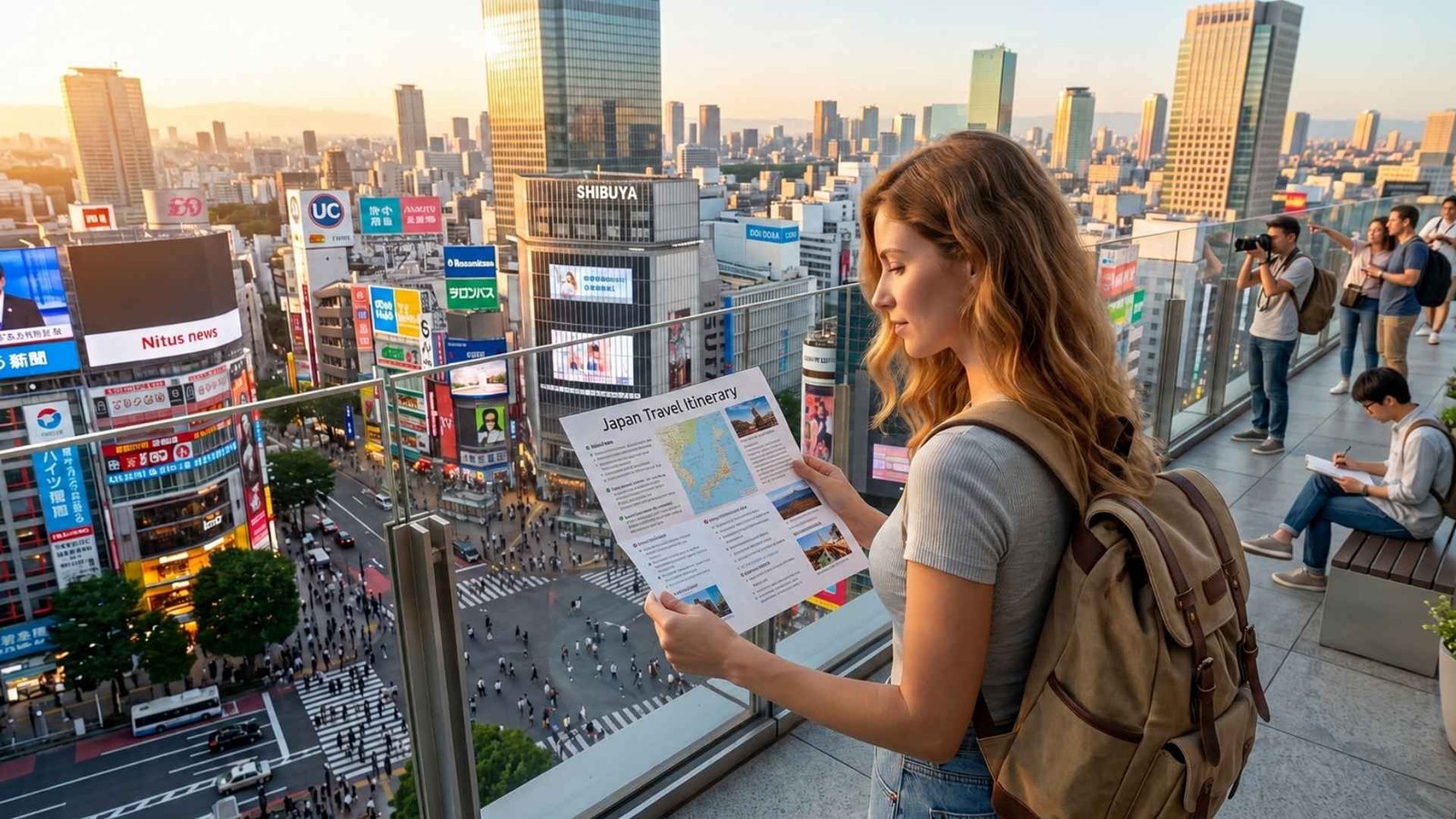
Planning a trip to Japan is exciting, but one of the first questions most travelers ask is how much it will cost.
The answer depends on when you visit, how long you stay, where you travel, and the type of accommodation and transportation you choose. While Japan has a reputation for being expensive, it offers options for every budget, from affordable city breaks to luxury vacations.
This guide breaks down the typical costs of flights, accommodation, transportation, food, attractions, and other everyday expenses, helping you build a realistic budget before booking your trip.
Quick Answer: Japan Trip Cost at a Glance
Excluding international flights, most travelers should budget approximately $150 – 250 per person per day for a comfortable mid-range trip to Japan.
Budget-conscious visitors may be able to travel for $80 – 120 per day, while luxury travelers can easily spend $350 or more per day.
| Travel Style | Daily Budget | 7 Days | 14 Days |
|---|---|---|---|
| Budget | $80 – 120 | $560 – 840 | $1,120 – 1,680 |
| Mid-range | $150 – 250 | $1,050 – 1,750 | $2,100 – 3,500 |
| Luxury | $350+ | $2,450+ | $4,900+ |
These estimates include accommodation, meals, local transportation, sightseeing, and everyday expenses. International flights, extensive shopping, premium tours, and expensive theme-park tickets are not included.
Airfare can add approximately $500 – 1,500 or more per person, depending on your departure point, travel dates, route, and booking time.
Prices are approximate and may vary depending on the season, exchange rates, your travel style, and how far in advance you book.
At a Glance
The largest expenses are usually:
- International flights
- Accommodation
- Long-distance train travel
The easiest ways to reduce costs are:
- Travel outside the busiest holiday periods.
- Stay in business hotels instead of luxury properties.
- Spend more time in fewer destinations.
- Compare individual Shinkansen tickets with the Japan Rail Pass before purchasing.
- Eat at local restaurants and convenience stores for excellent value.
A traveler visiting only Tokyo and nearby destinations will usually spend much less on transportation than someone following a route through Tokyo, Kyoto, Osaka, Hiroshima, and several regional cities.
If you are still planning your route, our Japan Itinerary for First-Time Visitors guide can help you choose a realistic itinerary before estimating your travel budget.
Daily Cost Breakdown
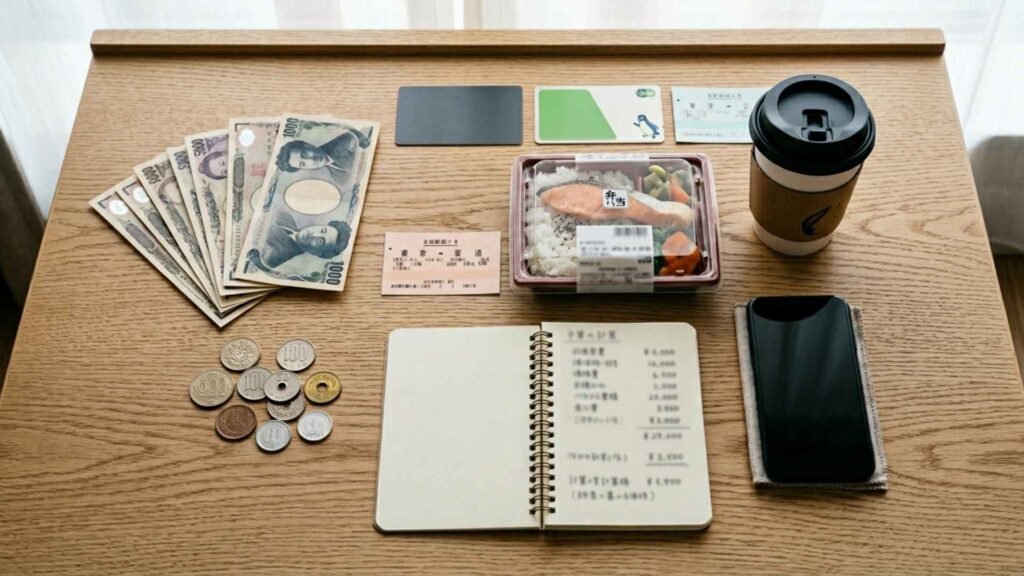
Your daily expenses will vary, but accommodation normally represents the largest part of the budget.
The following table shows a practical mid-range estimate for one traveler. It is intended as a planning guide rather than a fixed price list.
| Expense | Typical Daily Cost |
|---|---|
| Accommodation | $70 – 140 |
| Food and Drinks | $30 – 55 |
| Local Transportation | $10 – 20 |
| Attractions | $10 – 30 |
| Internet and Miscellaneous | $10 – 20 |
| Estimated Daily Total | $130 – 265 |
Travelers staying in hostels, capsule hotels, or basic business hotels can reduce the accommodation portion considerably. Those choosing centrally located four-star hotels, traditional ryokans, private tours, or frequent Shinkansen journeys should plan for a higher total.
Food is one of the most flexible parts of a Japan travel budget. Affordable ramen, curry, udon, set lunches, and convenience-store meals can keep daily spending low without requiring travelers to rely entirely on self-catering.
By comparison, reducing unnecessary hotel changes and long-distance train journeys often saves more money than cutting a few dollars from each meal.
What Affects Your Japan Trip Cost?
There is no single answer to how much a trip to Japan costs. Two travelers visiting the same cities can spend very different amounts depending on their timing, route, and preferred level of comfort.
Travel Season
Cherry blossom season, Golden Week, major public holidays, and the New Year period usually bring stronger demand for flights and accommodation.
Traveling during quieter periods can make it easier to find lower hotel rates, particularly when your dates remain flexible. Seasonal pricing is especially noticeable in Tokyo, Kyoto, Osaka, and popular resort destinations.
Number of Destinations
The more cities you include, the more you are likely to spend on intercity transportation.
A route combining Tokyo, Kyoto, and Osaka is generally easier to budget than an itinerary that also includes Hiroshima, Kanazawa, Takayama, Hokkaido, or Okinawa.
Adding destinations can also create indirect costs. Frequent hotel changes may involve luggage storage, forwarding services, station transfers, and less time available for sightseeing.
Accommodation Style
Hostels, capsule hotels, and simple guesthouses provide the lowest rates, while business hotels offer a useful balance between price, privacy, and location.
Traditional ryokans and luxury hotels can raise the average significantly. However, some ryokan stays include dinner and breakfast, so the room price should not always be compared directly with a hotel that provides accommodation only.
Transportation Choices
Local trains and metro systems are relatively easy to control within a daily budget. Long-distance Shinkansen tickets are much more significant.
A nationwide rail pass is not automatically the cheapest option for every itinerary. Its value depends on the number, timing, and distance of your planned journeys, so individual fares should be compared before purchasing.
Dining Preferences
Japan works well for both modest and generous food budgets.
Travelers can eat affordably at noodle shops, casual restaurants, food halls, and convenience stores. Sushi counters, premium wagyu restaurants, omakase dining, and multi-course kaiseki meals can increase the daily average quickly.
A balanced trip does not require choosing only one style. Many visitors keep breakfast and lunch inexpensive while budgeting for a few memorable dinners.
Activities and Shopping
Shrines, historic neighborhoods, parks, markets, and scenic walking routes are often free or inexpensive.
Theme parks, guided tours, observation decks, workshops, nightlife, and seasonal events require a larger activities budget. Shopping is also highly personal and should be separated from the essential trip budget whenever possible.
Once these factors are considered, it becomes much easier to estimate a realistic Japan trip cost based on your own itinerary rather than relying on a broad national average.
Average Japan Trip Cost by Travel Style
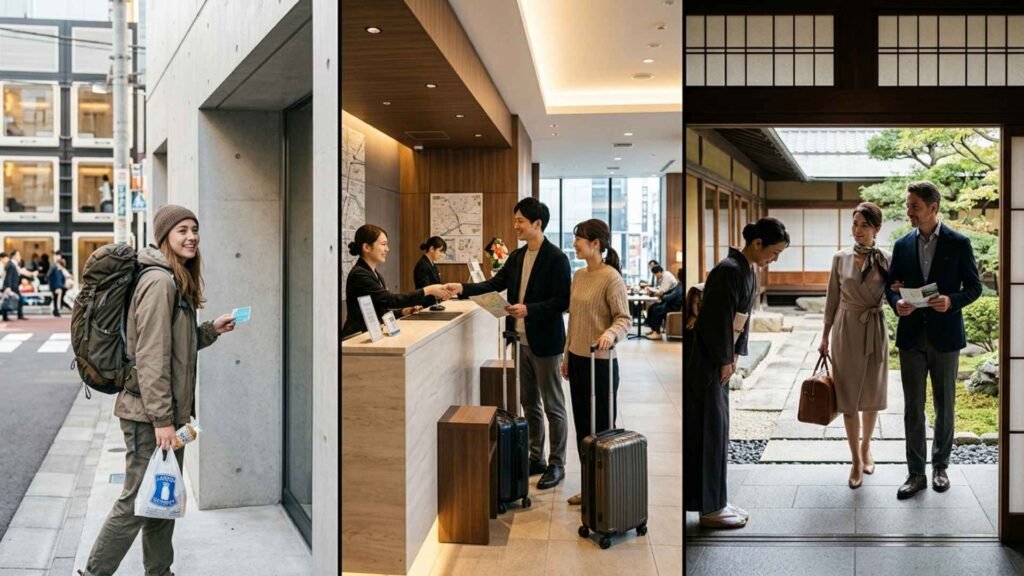
The easiest way to estimate your budget is to start with your travel style. Most visitors fall into one of three categories: budget, mid-range, or luxury.
The estimates below exclude international flights but include accommodation, food, local transportation, sightseeing, and everyday expenses.
| Travel Style | Daily Budget | Ideal For |
|---|---|---|
| Budget | $80 – 120 | Backpackers, solo travelers, budget-conscious couples |
| Mid-range | $150 – 250 | Most first-time visitors |
| Luxury | $350+ | Premium hotels, fine dining, luxury experiences |
Budget Travelers
Japan is more affordable than many first-time visitors expect.
A budget of $80 – 120 per day is usually achievable by staying in hostels, capsule hotels, or simple business hotels, using public transportation, and eating mainly at local restaurants, ramen shops, and convenience stores.
Many of Japan’s most rewarding experiences—including temples, shrines, traditional neighborhoods, public gardens, and scenic walks—cost little or nothing.
Mid-Range Travelers
A mid-range budget suits the majority of international visitors.
With $150 – 250 per day, you can stay in comfortable three- or four-star hotels, enjoy a wider variety of restaurants, visit paid attractions, and include several intercity train journeys without constantly worrying about expenses.
For most first-time trips, this budget provides the best balance between comfort, flexibility, and value.
Luxury Travelers
Luxury travel in Japan can vary considerably depending on your preferences.
Premium hotels, luxury ryokans, Green Car Shinkansen tickets, private guides, Michelin-starred restaurants, and exclusive cultural experiences can easily push daily spending beyond $350 per person, with no practical upper limit.
Japan Trip Cost for 1 Week
A one-week itinerary is ideal for travelers who want to experience Japan’s highlights without rushing across the country.
Many visitors spend their week exploring Tokyo, Kyoto, and Osaka, with one or two day trips along the way.
A realistic mid-range budget might look like this:
| Expense | Estimated Cost |
|---|---|
| Accommodation | $500 |
| Food & Drinks | $260 |
| Local Transportation | $80 |
| Intercity Transportation | $150 |
| Attractions | $150 |
| Miscellaneous | $160 |
| Total | Around $1,300 |
International flights are not included.
Budget travelers can often complete a similar itinerary for under $900, while travelers choosing higher-end hotels and premium dining should expect to spend considerably more.
One of the simplest ways to reduce costs is to avoid changing hotels every day. Spending two or three nights in each city usually results in a more relaxed trip while also reducing transportation and luggage expenses.
💡 Clara’s Tip:
Staying two or three nights in each city usually saves both time and money. Fewer hotel changes mean lower transportation costs, less time spent checking in and out, and a more relaxed travel experience.
Japan Trip Cost for 2 Weeks
Two weeks allows you to explore Japan at a slower pace while adding destinations beyond the classic Tokyo–Kyoto–Osaka route.
A popular itinerary includes Tokyo, Hakone or Mount Fuji, Kyoto, Osaka, Nara, and Hiroshima, giving travelers a balanced mix of modern cities, historic landmarks, and natural scenery.
A typical mid-range budget is:
| Expense | Estimated Cost |
|---|---|
| Accommodation | $1,000 |
| Food & Drinks | $520 |
| Local Transportation | $160 |
| Intercity Transportation | $320 |
| Attractions | $300 |
| Miscellaneous | $400 |
| Total | Around $2,700 |
Although a two-week trip costs more overall, the average daily cost often becomes slightly lower because major transportation expenses are spread across a longer stay.
If you’re planning this length of trip, our Japan Itinerary for 14 Days guide offers a balanced route that combines Japan’s most popular destinations while avoiding unnecessary backtracking.
Flight Costs to Japan
For most international travelers, flights represent the largest single travel expense. Prices vary depending on your departure country, airline, travel season, and how far in advance you book.
The estimates below show typical round-trip economy fares.
| Departure Region | Typical Round-Trip Fare |
|---|---|
| North America | $700 – 1,400 |
| Europe | $700 – 1,300 |
| Australia | $500 – 1,000 |
| Southeast Asia | $200 – 600 |
Flights are generally most expensive during:
- Cherry blossom season (late March to early April)
- Golden Week (late April to early May)
- Summer holidays (July and August)
- New Year holidays
Booking two to six months before departure usually offers the best balance between price and availability. If your travel dates are flexible, comparing nearby departure days can often reduce airfare. For multi-city itineraries, flying into Tokyo and departing from Osaka (or vice versa) may also help lower overall travel costs while reducing unnecessary backtracking within Japan.
For current schedules and fare comparisons, use the official Google Flights search tool before booking.
Accommodation Costs in Japan
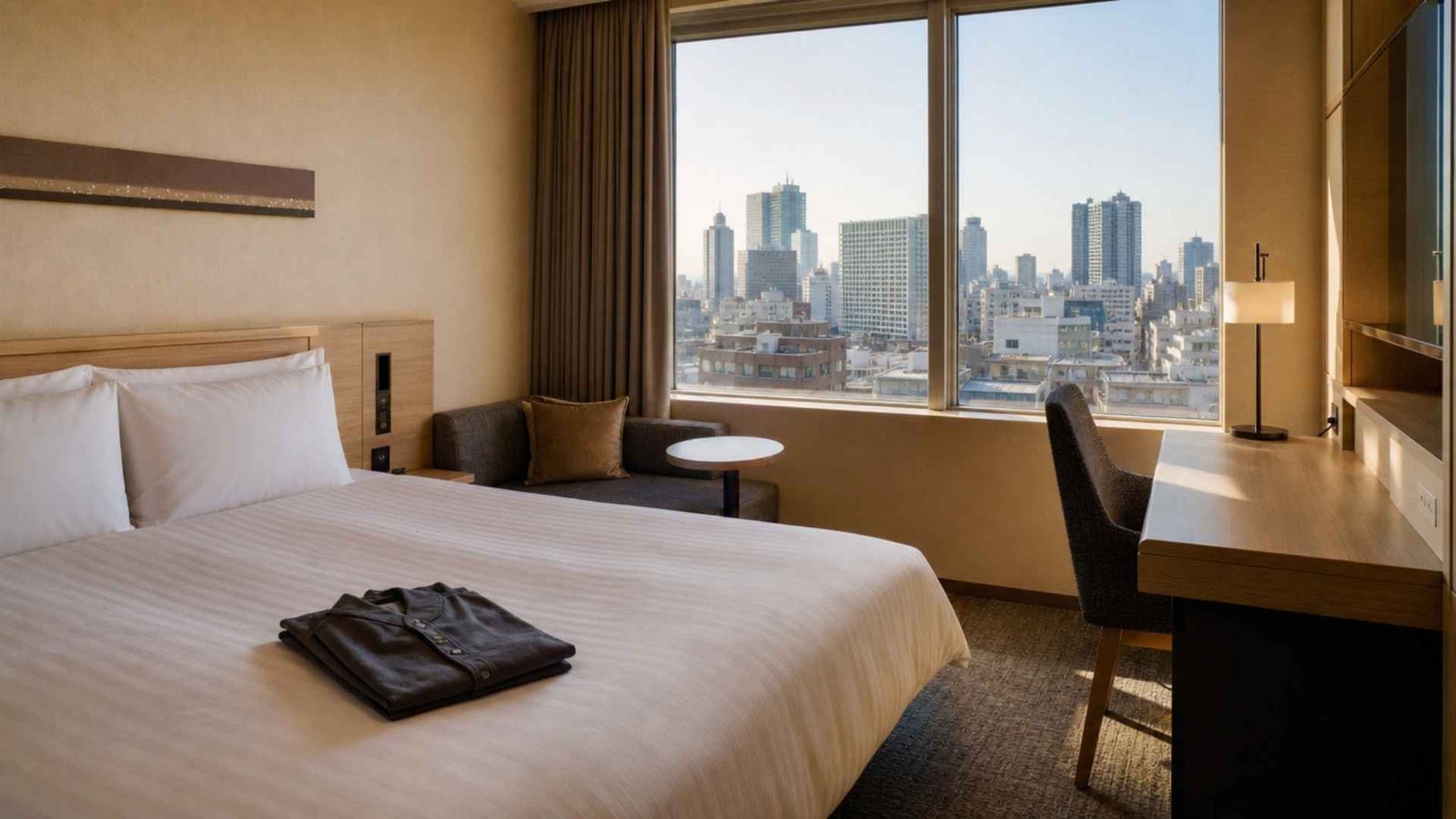
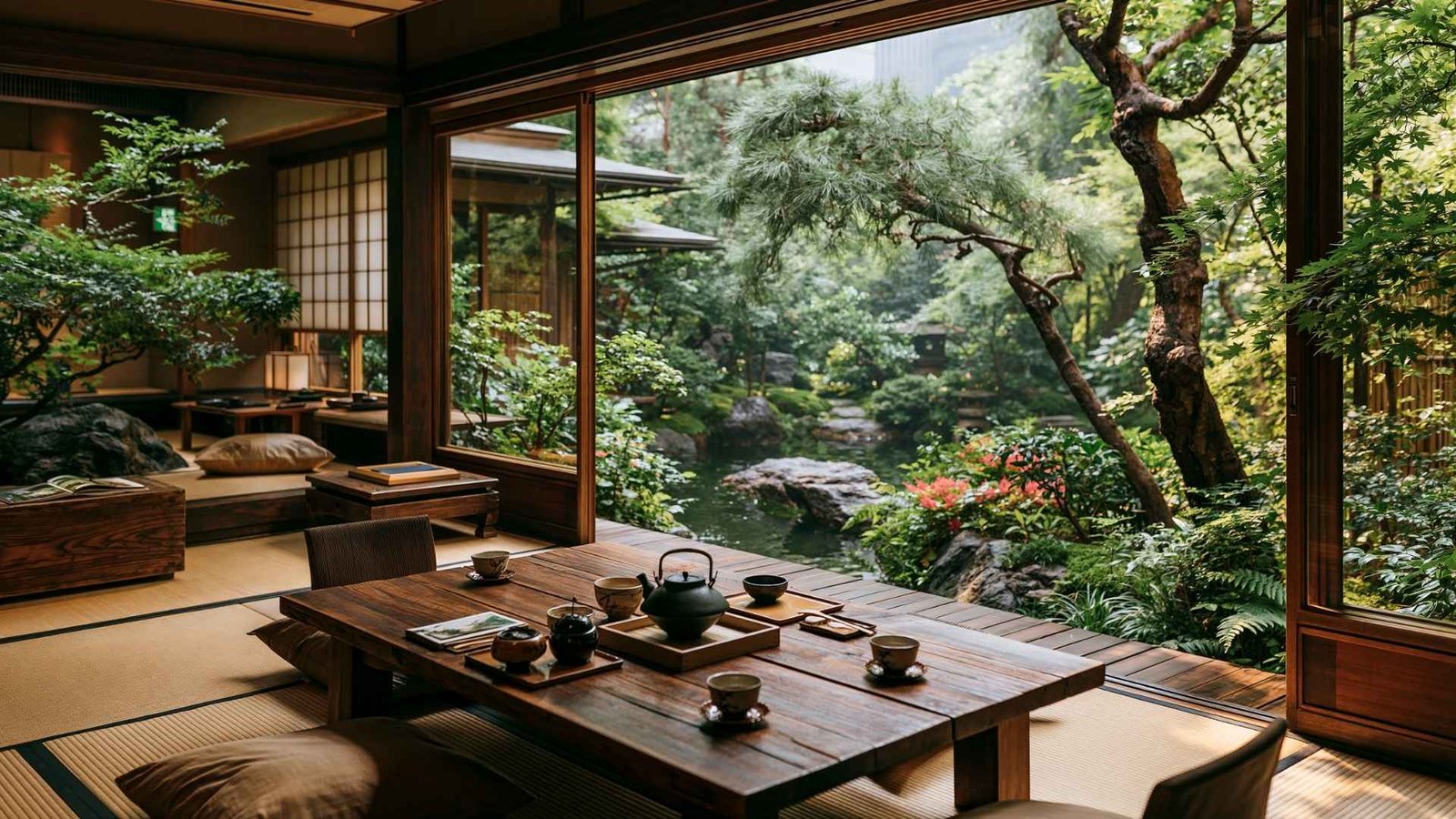


Accommodation is usually the second-largest expense after airfare.
Fortunately, Japan offers excellent options for every budget, from capsule hotels to luxury ryokans.
| Accommodation Type | Typical Price Per Night |
|---|---|
| Hostel Dorm | $25 – 50 |
| Capsule Hotel | $30 – 60 |
| Business Hotel | $60 – 120 |
| Mid-Range Hotel | $120 – 250 |
| Luxury Hotel | $300+ |
| Traditional Ryokan | $200 – 600+ |
Business hotels provide some of the best value for first-time visitors. They are typically clean, efficient, and conveniently located near major railway stations.
If your budget allows, spending one night in a traditional ryokan is one of Japan’s most memorable experiences. Many ryokans include breakfast and a multi-course Japanese dinner, making them excellent value despite their higher nightly rates. For most travelers, one night is enough to enjoy the experience without significantly increasing the overall trip budget.
Accommodation prices increase significantly during cherry blossom season, Golden Week, and autumn foliage season, so booking several months ahead is recommended.
Transportation Costs
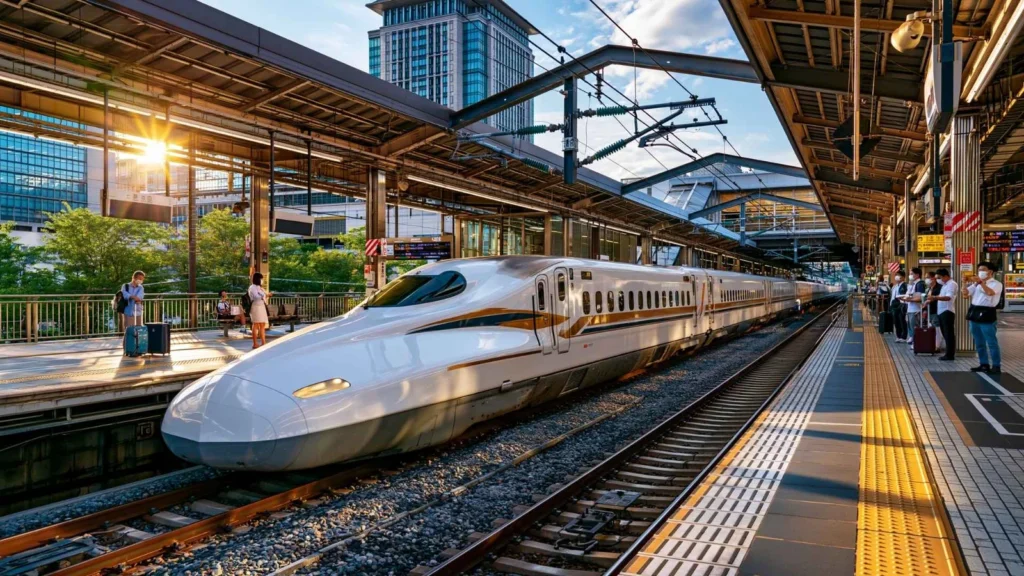
Japan’s transportation system is one of the country’s greatest strengths. Trains are punctual, comfortable, and make it easy to travel between cities without renting a car.
Typical transportation costs include:
| Transportation | Typical Cost |
|---|---|
| Subway or Metro Ride | $1.50 – 3 |
| Local JR Train | $2 – 8 |
| Airport Train | $10 – 30 |
| Taxi (Short Ride) | $8 – 20 |
| Shinkansen (Tokyo–Kyoto) | Around $95 – 110 |
For travelers staying within one city, local transportation costs remain relatively low.
Long-distance Shinkansen travel has a much greater impact on your overall budget. Following recent pricing updates, the Japan Rail Pass no longer offers the best value for every itinerary. Comparing individual ticket prices before purchasing is now more important than ever.
Before buying a pass, compare your planned routes with the latest information on the official Japan Rail Pass website. Depending on your itinerary, purchasing individual tickets may be the more economical option.
Our Japan Rail Pass: Is It Worth It? article explains current pass prices, covered trains, seat reservations, and the routes where the pass may still save money.
Regional rail passes can also provide excellent value if you’re focusing on one area rather than traveling across the entire country.
💡 Clara’s Tip:
If you’re only visiting Tokyo, Kyoto, and Osaka, don’t assume you need a nationwide Japan Rail Pass. Compare the cost of individual Shinkansen tickets first—many travelers now save more by buying tickets separately.
Food Costs in Japan
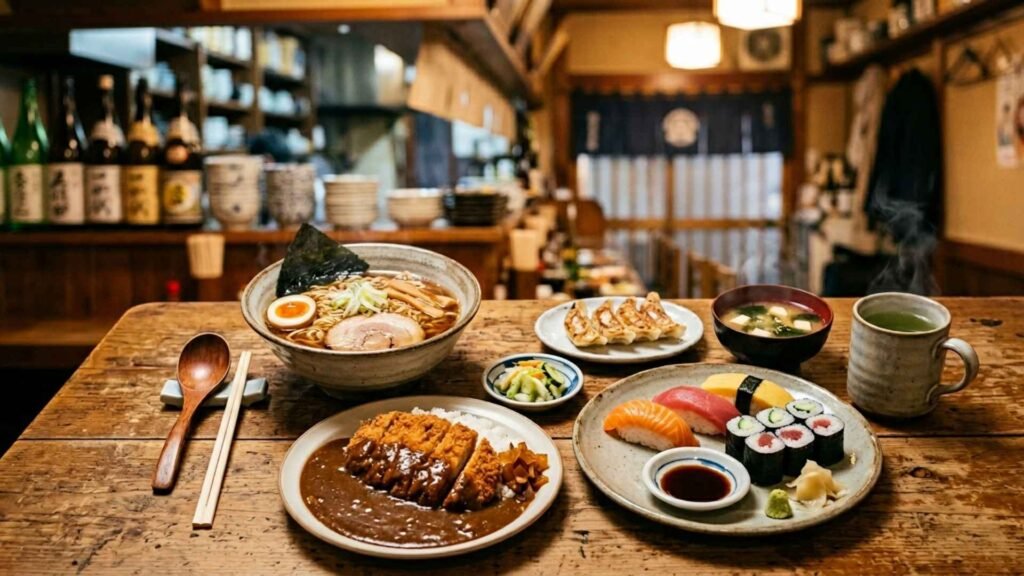
Japan is often less expensive to eat in than many travelers expect.
From neighborhood ramen shops to department store food halls, quality is consistently high across a wide range of price points.
| Meal Type | Typical Cost |
|---|---|
| Convenience Store Breakfast | $4 – 8 |
| Coffee & Pastry | $5 – 10 |
| Ramen or Udon | $7 – 12 |
| Curry Rice | $7 – 12 |
| Conveyor-Belt Sushi | $12 – 25 |
| Casual Restaurant Dinner | $15 – 30 |
| Izakaya Dinner | $25 – 50 |
| Fine Dining | $100+ |
Convenience stores such as 7-Eleven, FamilyMart, and Lawson are popular with both locals and visitors, offering fresh sandwiches, rice balls, salads, hot meals, and snacks at affordable prices.
Lunch is usually the best value meal of the day, with many restaurants serving set menus that cost considerably less than dinner.
A practical approach is to keep breakfast and lunch inexpensive while setting aside part of your budget for a few memorable dinners. This allows you to experience Japan’s outstanding food culture without significantly increasing your overall travel costs.
Attraction Costs in Japan
Sightseeing is generally one of the more affordable parts of a Japan trip. Many of the country’s most memorable experiences—such as exploring historic districts, visiting shrines, strolling through traditional gardens, or wandering local markets—cost little or nothing.
Popular attractions typically fall within these price ranges:
| Attraction | Typical Admission |
|---|---|
| Temples & Shrines | Free – $5 |
| Museums | $5 – 15 |
| Gardens | $3 – 10 |
| Castles | $5 – 15 |
| Observation Decks | $10 – 25 |
| Tokyo Disneyland / DisneySea | $55 – 80+ |
| Universal Studios Japan | $60 – 90+ |
Most travelers can comfortably budget $20 – 50 per day for attractions. If your itinerary includes theme parks, guided tours, or seasonal events, plan for a higher daily allowance.
Internet and eSIM Costs
Having reliable internet access makes navigating Japan much easier for maps, train schedules, restaurant reservations, and translation apps.
| Option | Typical Cost |
|---|---|
| eSIM | $10 – 30 |
| Physical SIM Card | $15 – 40 |
| Pocket Wi-Fi | $5 – 10 per day |
For solo travelers, an eSIM is usually the simplest solution. Families and groups may find a pocket Wi-Fi device more economical since multiple devices can connect at the same time.
Travel Insurance Costs
Travel insurance is a relatively small expense but can prevent significant financial losses if unexpected events occur.
A comprehensive policy generally covers:
- Emergency medical treatment
- Trip cancellation or interruption
- Lost or delayed baggage
- Flight delays
- Personal liability, depending on the policy
Most travelers spend $40 – 120 for a standard policy, depending on the trip length, destination, age, and level of coverage.
Seasonal Price Differences
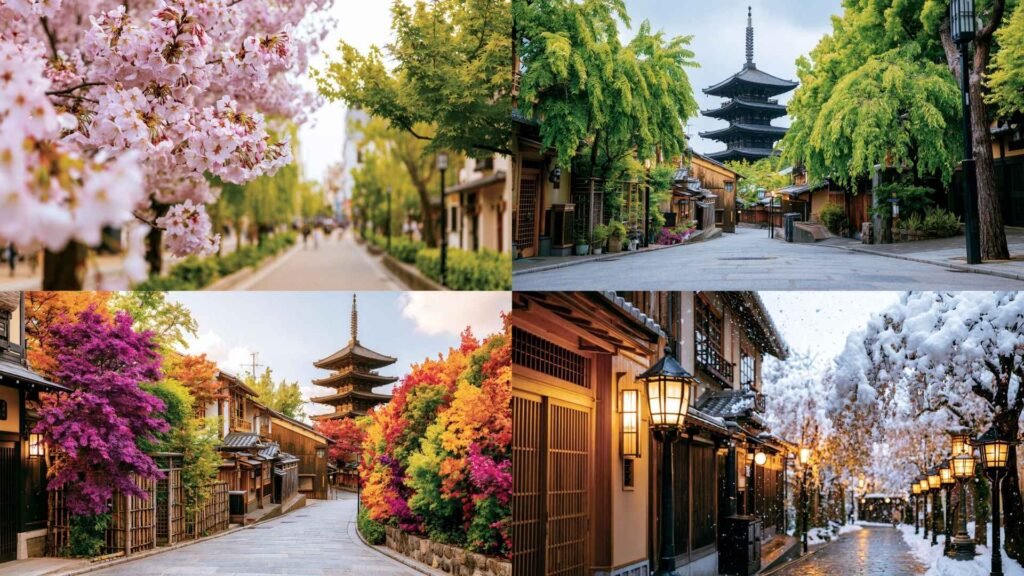
Travel costs vary noticeably throughout the year. Choosing the right season can make a significant difference to your budget, especially when it comes to flights and accommodation.
Spring (March–May)
Spring is Japan’s busiest travel season thanks to the cherry blossoms. Flights and hotels are usually at their highest prices, especially from late March through early April. Golden Week also brings increased demand across the country.
Summer (June–August)
June often offers better hotel prices, although it coincides with the rainy season in many regions. July and August become busier because of school holidays and summer festivals.
Autumn (September–November)
Autumn combines comfortable weather with spectacular fall colors. Prices rise during the peak foliage season but are generally lower than during cherry blossom season.
Winter (December–February)
Outside the New Year holiday period, winter is often one of the most affordable times to visit. Travelers can frequently find lower hotel rates and discounted flights while enjoying ski resorts, winter festivals, and hot spring destinations.
For seasonal travel advice and destination updates, the Japan National Tourism Organization (JNTO) provides official travel information throughout the year.
💡 Clara’s Tip:
If your travel dates are flexible, consider visiting in late autumn or winter (outside the New Year holidays). You’ll often find lower hotel prices, cheaper flights, and fewer crowds while still enjoying many of Japan’s top attractions.
Is Japan Expensive Compared to Other Countries?
Although Japan has long been considered an expensive destination, everyday travel costs are often comparable to many popular European countries.
| Destination | Typical Mid-Range Daily Budget |
|---|---|
| Japan | $150 – 250 |
| Spain | $140 – 240 |
| South Korea | $120 – 220 |
| Italy | $170 – 280 |
| France | $180 – 300 |
Japan also offers excellent value in areas such as public transportation, cleanliness, safety, and service quality, making it a destination where many travelers feel they receive good value for their money.
Sample Japan Budgets
The examples below illustrate realistic mid-range budgets before international flights.
| Traveler | Estimated Daily Budget |
|---|---|
| Solo Traveler | Around $180 |
| Couple | $300 – 450 |
| Family of Four | $450 – 700 |
Actual spending will depend on your itinerary, accommodation choices, and travel season, but these estimates provide a useful starting point when planning your trip.
Money-Saving Tips
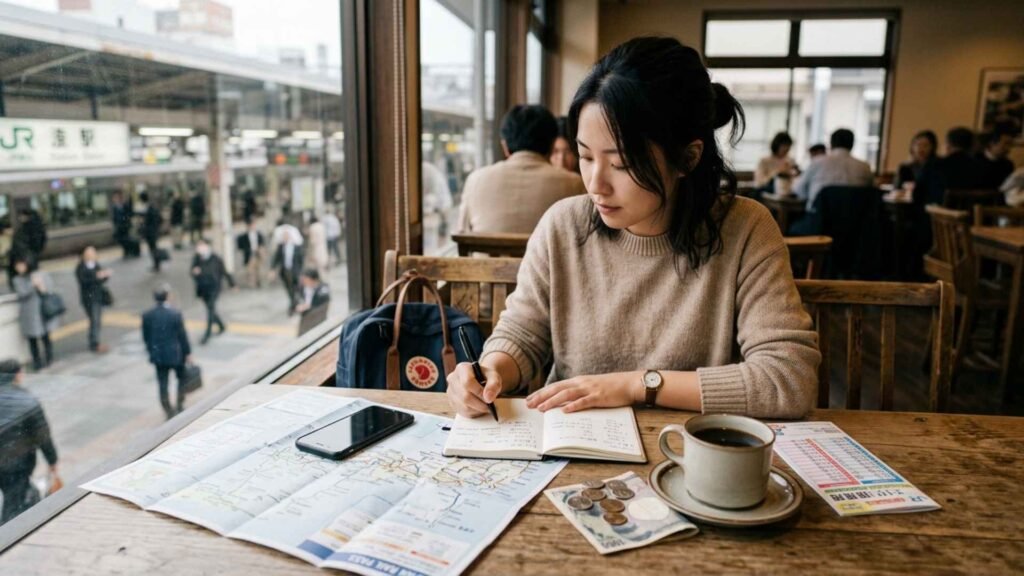
A few smart decisions can noticeably reduce your overall travel costs without affecting your experience.
- Visit outside cherry blossom season and Golden Week if your schedule is flexible.
- Book flights and hotels several months in advance.
- Stay near major railway stations.
- Compare individual train tickets before buying a Japan Rail Pass.
- Take advantage of affordable lunch specials.
- Mix casual restaurants with convenience-store breakfasts.
- Spend more time in fewer destinations.
- Include free attractions such as shrines, parks, and historic neighborhoods in your itinerary.
Common Budget Mistakes
One of the most common mistakes is trying to visit too many cities in a short period. Frequent long-distance train journeys increase transportation costs while leaving less time to enjoy each destination.
Another common mistake is booking accommodation too late during peak seasons, when hotel prices rise quickly and the best locations sell out first.
Finally, many first-time visitors assume they automatically need a nationwide Japan Rail Pass. Comparing the total cost of your planned train journeys before purchasing can help you choose the most cost-effective option.
Frequently Asked Questions
How much should I budget per day for Japan?
Most visitors spend $150 – 250 per day, excluding international flights.
Is Japan expensive for first-time visitors?
Not necessarily. With careful planning, Japan can be similar in cost to many Western European destinations.
Is one week enough for Japan?
Yes. One week is enough to visit Tokyo, Kyoto, and Osaka, while two weeks allows for a more relaxed itinerary.
Are trains expensive in Japan?
Local transportation is relatively affordable. Long-distance Shinkansen journeys have a greater impact on your overall budget.
Is food expensive in Japan?
No. Casual restaurants, ramen shops, and convenience stores offer excellent quality at reasonable prices.
What is the cheapest time to visit Japan?
Winter, excluding the New Year holiday period, is generally the most affordable season for flights and accommodation.
Can I travel around Japan on a budget?
Yes. Choosing affordable accommodation, using public transportation, and limiting long-distance travel makes Japan accessible even for budget-conscious travelers.
Final Thoughts
Japan offers travel experiences for almost every budget. By understanding your biggest expenses, planning your itinerary carefully, and booking key reservations in advance, you can build a realistic budget without sacrificing the experiences that matter most.
Whether you’re visiting for one week or two, a well-planned budget will help you travel with greater confidence and make the most of your time in Japan.