

US visa requirements for a short visit depend on your nationality and what you plan to do in the United States. If you need a visitor visa, find out where you can apply and how soon you can get an interview. The appointment may shape your travel dates more than the application form itself.
This guide covers the B-1 and B-2 visitor categories, the DS-160 form, the standard US$185 application fee and the documents you may need for your interview. It also explains what happens after the interview and how to check how long you can stay.
Quick Answer: US Visa Requirements at a Glance
If you need a visa for a temporary visit, B-2 covers tourism and family visits, B-1 covers permitted business activities, and a combined B-1/B-2 visa covers both. Eligible Visa Waiver Program travellers can use an approved ESTA for qualifying trips of up to 90 days. Canadian and Bermudian citizens generally qualify for separate exemptions when visiting for tourism.
| What to check | What to know |
|---|---|
| Where to apply | Normally at a US embassy or consulate in your country of nationality or residence. |
| Main application form | Complete a separate DS-160 for each traveller who needs a visa. |
| Standard application fee | US$185 per applicant. This fee is non-refundable. A separate issuance fee may apply. |
| Interview | Most applicants attend in person. Some renewals qualify for an interview waiver. |
| Length of stay | If CBP admits you as a visitor, your I-94 shows how long you can stay. |
1. Check Which US Visa Requirements Apply to You
Start with the passport you will use for the trip. If your nationality participates in the Visa Waiver Program, your travel purpose and circumstances also affect whether you can use it. Our ESTA application guide walks you through the eligibility checks.
If you already hold a valid US visitor visa that covers your plans, you can generally use it for the trip. For a visa issued with a limited number of entries, make sure you still have an entry available.
Check for Nationality-Specific Restrictions Before Paying
Some US visa issuance restrictions apply to B-1/B-2 visitor visas and depend on your nationality or travel document. If your nationality or document is listed, review the affected visa categories and exceptions before paying the application fee. The Department of State explains these in its current visa issuance and entry restrictions.
If you are only connecting through the United States, an approved ESTA or a suitable valid visitor visa may cover the connection. Some travellers need a C-1 transit visa.
2. Choose the Visa Category That Fits Your Trip
B-2 covers holidays, sightseeing, visiting friends or family and certain medical visits. B-1 covers activities such as consulting with business associates, attending a conference or negotiating a contract. A combined B-1/B-2 visa covers qualifying activities in both categories.
For example, a conference followed by a weekend of sightseeing can fit the combined category. If you plan to take up employment in the United States or enrol in a degree programme, look into the relevant work or student visa category before you apply.
If you are travelling for medical treatment, the consular officer may ask for information about your diagnosis, a cost estimate from the US provider and evidence of how you will cover the expenses. The Department of State’s visitor visa instructions explain which documents you may be asked to provide.
3. Choose Where to Apply and Check Appointment Wait Times
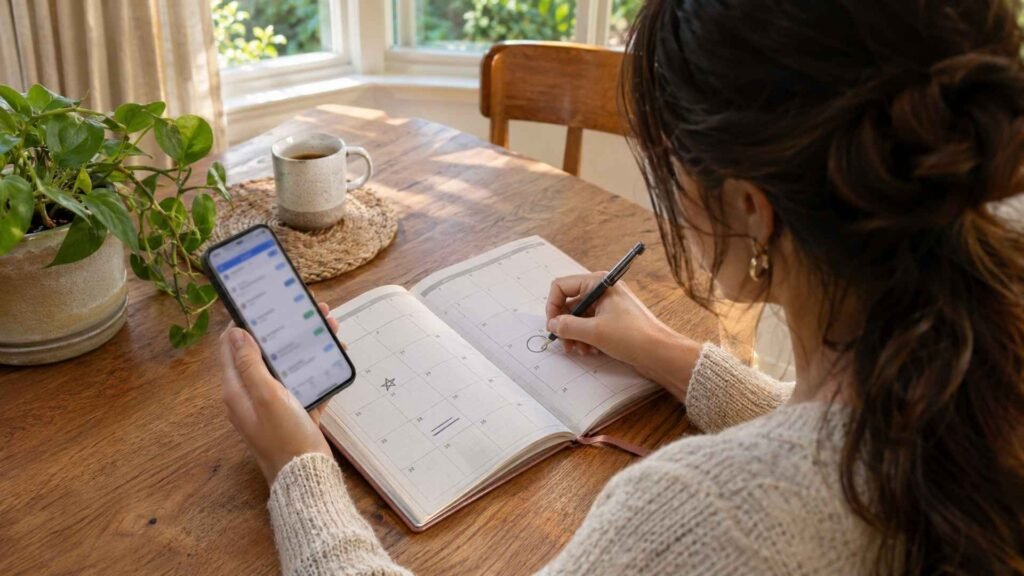
The Department of State directs applicants to schedule their visa interviews in their country of nationality or residence. If you apply based on residence, be ready to show that you live there. If routine visa services are unavailable in your country of nationality and you do not live elsewhere, use the designated processing post for your country.
For a visitor visa, look at the B1/B2 next available appointment column in the Global Visa Wait Times table. That figure estimates when you might get an interview. If the table also shows an average, it reflects how long applicants waited during the previous reporting period. Use the local booking system to see which slots are available.
Plan for two stages. First comes the wait for an interview. After the interview, allow time for any administrative processing and, if your visa is issued, for your passport to be returned. The appointment estimate covers the first stage only.
4. Complete the DS-160 and Pay the Application Fee

Start with the official DS-160 online application. Have your passport, any previous US travel dates and a provisional itinerary handy. The form may also ask about your employment, education and travel history. For social media, it asks for the usernames or handles you used on the listed platforms during the previous five years.
Save your application ID while you work. Before submitting, compare your name, date of birth and passport number with your passport. Once you submit the form, save and print the confirmation page with its barcode. Each traveller who needs a visa, including a child, needs a separate DS-160.
The usual sequence is to submit the DS-160, pay the application fee and schedule the interview. Follow your embassy or consulate’s instructions for the local payment method and booking process.
What Does a US Visitor Visa Cost?
The standard B-1/B-2 application fee is US$185 per applicant. It covers processing and is non-refundable, even if the visa is refused. If your visa is approved, a separate visa issuance fee, also called a reciprocity fee, may apply based on your nationality. You can look up the fee for your nationality and visa class in the Department of State’s reciprocity tables.
Some applicants who otherwise qualify for a visitor visa must also post a visa bond before the visa can be issued. If your passport is from a country on the current visa bond list, follow the consular officer’s instructions on when and how to pay.
US law also establishes a separate Visa Integrity Fee payable at visa issuance, with an initial statutory amount of US$250 and annual inflation adjustments. As of 6 November 2026, the Department of State’s published fee schedule does not list it as a charge for B-1/B-2 visas. Use the current payment instructions for your application location when budgeting.
5. Prepare Your Documents and Attend the Interview
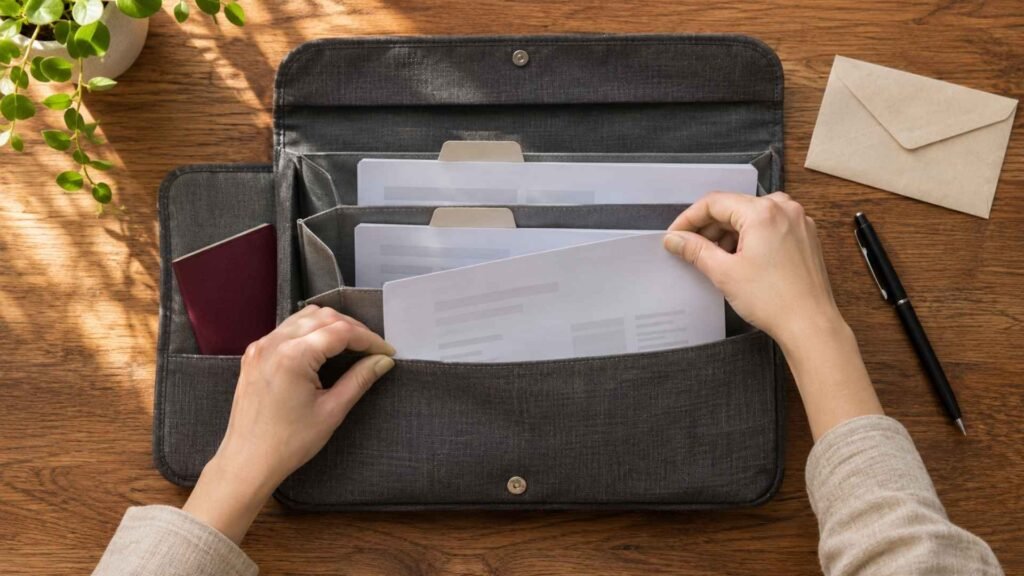
Use your embassy or consulate’s checklist to prepare. For a typical B-1/B-2 interview, gather these documents.
- Your passport. It generally needs to be valid for at least six months beyond your intended US stay, unless a country-specific agreement exempts you.
- Your printed DS-160 confirmation page.
- Your fee receipt and appointment confirmation, if your local checklist requires them.
- A printed photo that meets US visa photo requirements if the DS-160 upload failed. Check the local checklist for any additional photo instructions.
Bring Evidence That Fits Your Plans
The officer may ask why you are visiting, who will pay for the trip and what you plan to return to afterwards. Choose documents that fit your circumstances. For a short holiday, that might mean a provisional itinerary, evidence of available funds and a letter confirming approved leave. If someone else is paying, be ready to explain which expenses they will cover and provide evidence if requested.
See Whether Your Renewal Qualifies for an Interview Waiver
An in-person interview is generally required, including for applicants under 14 and over 79. Some people renewing a B-1, B-2 or B-1/B-2 visa may qualify for a waiver if they apply within 12 months after the previous visa expired, the previous visa was issued for its full validity period, and they were at least 18 when it was issued. Other eligibility conditions apply, and a consular officer can still require an interview. Confirm the local renewal process before making plans around a waiver.
💡 Clara’s Tip:
For a family application, keep each traveller’s DS-160 confirmation, fee receipt and appointment record together. Label the copies by name and match each appointment record to the right DS-160 barcode before you leave for the interview.
6. Understand the Visa Decision Before You Book
If your visa is approved, follow the passport collection or delivery instructions you receive. Wait until you have your passport back with the visa before making final travel plans.
What a 221(g) or 214(b) Refusal Means
A 221(g) refusal can mean that the consular officer needs additional documents or that your case requires administrative processing. If the officer asks for documents, submit them using the method in the notice. If your case requires administrative processing, use the notice for your next steps and allow extra time.
A 214(b) refusal can mean that you did not establish eligibility for the visa category or did not show sufficient reasons to leave after a temporary visit. Reapplying requires a new application and fee. Before you do, consider whether you can show significant changes in your circumstances or provide relevant information the officer did not have before.
7. Check Your Visa Before Travel and Your I-94 After Arrival
The validity period and number of entries can vary by nationality and visa category. Before you travel, confirm that your name and visa category are correct, then look at the expiry date and the Entries field. An M means you can use the visa to request admission multiple times while it remains valid.
If you travel on a passport from the People’s Republic of China with a 10-year B-1, B-2 or B-1/B-2 visa, you also need valid EVUS enrolment before travel.
U.S. Customs and Border Protection (CBP) decides whether to admit you and how long you can stay on each visit. After arrival, retrieve your record through the official CBP I-94 service and confirm your admission class and Admit Until Date. Your visa may be valid for several more years, while your I-94 gives you the departure deadline for this visit.
For the other documents and checks you may need before departure, use our US Entry Requirements checklist.
Frequently Asked Questions About US Visa Requirements
Can I apply for a US visitor visa after an ESTA denial?
Yes. You can submit a separate visitor visa application if your trip fits the category. Answer the DS-160 questions accurately and allow time for the interview and decision.
Do I need an invitation letter for a US tourist visa?
An invitation letter is optional. If you are staying with friends or relatives, be ready to explain your plans, how the visit will be funded and when you intend to leave.
Is there a minimum bank balance for a B-1/B-2 visa?
The standard visitor visa instructions give no universal minimum bank balance. Be prepared to show how you will cover the cost of your planned visit, including any expenses someone else has agreed to pay.
Can I use a valid US visa in an expired passport?
Generally, yes. Carry both passports if the visa is valid, undamaged and appropriate for your trip. Both passports must be from the same country and of the same type. Leave the visa in the old passport.
How long is a B-1/B-2 visa valid?
There is no single validity period. Look up the B-1/B-2 category for your nationality in the reciprocity tables. If you already have a visa, use the expiry date printed on it to plan future trips.
Final Thoughts
Start with the US visa requirements for your passport and the activities you have planned. Keep your application details and supporting documents together, especially if several family members are applying. Once you arrive, save a copy of your I-94 so you have your departure deadline to hand.