

Germany entry requirements vary by nationality, passport type, travel purpose, and intended length of stay.
EU, EEA, and Swiss citizens can normally enter with a valid passport or national identity card. Most non-EU travelers need a passport that meets Schengen validity rules, while some must also obtain a visa before departure.
This guide explains the passport, visa, 90/180-day, EES, and ETIAS rules you should check before traveling to Germany in 2026.
Important: Entry rules can change, so confirm the latest requirements before departure.
Quick Answer: Germany Entry Requirements in 2026
| Requirement | Who It Applies To | Key Rule |
|---|---|---|
| Passport or national ID | EU, EEA, and Swiss citizens | Must be valid on the travel date |
| Passport | Most non-EU travelers | Issued within the previous 10 years and generally valid for at least three months after leaving Schengen |
| Schengen visa | Travelers from visa-required countries | Must normally be obtained before travel |
| 90/180-day rule | Most short-stay non-EU visitors | Maximum 90 days across the entire Schengen Area in any rolling 180-day period |
| EES registration | Most non-EU short-stay travelers | Fully operational across the Schengen Area since April 10, 2026 |
| ETIAS | Visa-exempt non-EU travelers | Not yet operational; expected in the final quarter of 2026 |
| Supporting documents | Non-EU travelers | Accommodation, return travel, purpose of visit, and sufficient funds may be requested |
| Travel insurance | Schengen visa applicants | Mandatory for the visa application; strongly recommended for visa-exempt visitors |
| Customs declaration | Travelers carrying €10,000 or more | Declaration rules depend on whether arrival is from within or outside the EU |
Who Can Enter Germany?
Germany is part of both the European Union and the Schengen Area. Its entry rules therefore combine EU freedom-of-movement rights, common Schengen border rules, and German national immigration requirements.
The exact documents you need depend on which of the following groups applies to you:
- EU, EEA, or Swiss citizen
- Visa-exempt non-EU citizen
- Citizen of a country requiring a Schengen visa
- Holder of a valid Schengen residence permit or long-stay visa
- Traveler planning to work, study, relocate, or remain for more than 90 days
Short tourist visits and long-term stays follow different rules. Being allowed to enter Germany without a visa for tourism does not automatically give you the right to work, study long term, or live in the country.
Germany Passport Requirements for EU, EEA and Swiss Citizens
Citizens of EU countries, Iceland, Liechtenstein, Norway, and Switzerland can enter Germany with either:
- A valid passport
- A valid national identity card
The document must be valid on the date of travel. The Schengen three-month passport validity rule does not normally apply to travelers exercising EU or EEA free-movement rights.
Although routine border control is generally absent between Schengen countries, travelers should still carry a valid travel document. Airlines may check identification before boarding, and German authorities can conduct identity or police checks within the country and near internal borders.
A driving licence is not considered a valid international travel document.
Children must also carry their own valid passport or national identity card. Being included in a parent’s travel document is not sufficient where an individual document is required.
Germany Passport Requirements for Non-EU Travelers

Most non-EU travelers must carry a passport that satisfies the common Schengen requirements.
Your passport should:
- Be valid for at least three months after the date you plan to leave the Schengen Area
- Have been issued within the previous 10 years on the date you enter
- Be valid and undamaged
- Match the personal details shown on your visa, ETIAS authorization, or airline booking
- Contain sufficient blank space if a visa sticker is required
The three-month rule is calculated from the date you intend to leave the entire Schengen Area, not simply the date you leave Germany.
For example, if you travel from Germany to France and then leave Schengen from Paris, your passport validity is measured from your departure date from France.
The European Union’s official guidance on travel documents for non-EU nationals confirms both the three-month validity requirement and the rule that the passport must have been issued within the previous 10 years.
Is Six Months of Passport Validity Required for Germany?
Germany does not generally require six months of remaining passport validity for an ordinary short Schengen visit.
The standard rule is normally three months beyond your intended departure from the Schengen Area. However, traveling with less than six months remaining can create practical difficulties if:
- Your itinerary changes
- Your return journey is delayed
- You plan to visit another country with stricter rules
- Your airline applies additional document checks
- Your passport expires during a longer trip
Renewing your passport before travel may therefore be sensible when its remaining validity is limited, even if it technically meets Germany entry requirements.
What If Your Passport Is More Than 10 Years Old?
A passport can have a printed expiry date in the future and still fail the Schengen requirement.
To enter Germany, the passport must generally have been issued no more than 10 years before the date of entry. Extra validity added when an older passport was renewed does not override this rule.
Check both the issue date and expiry date rather than relying only on the expiry date.
Do You Need a Visa to Visit Germany?

Whether you need a visa depends primarily on your nationality, passport type, travel purpose, and length of stay.
Non-EU travelers generally fall into two groups:
- Citizens who can make short visits without a visa
- Citizens who must obtain a Schengen visa before traveling
The German Federal Foreign Office maintains an official list of countries whose citizens require or do not require a visa.
Visa exemptions can depend on the type of passport held. Certain exemptions apply only to biometric, diplomatic, service, or special passports, so travelers should check the rule for their specific document.
Visa-Exempt Travelers
Citizens of visa-exempt countries—including the United States, Canada, Australia, New Zealand, Japan, South Korea, and the United Kingdom—can normally visit Germany for up to 90 days in any 180-day period without obtaining a Schengen visa.
Visa-free entry is generally intended for activities such as:
- Tourism
- Visiting family or friends
- Short business trips
- Attending conferences
- Certain short educational or cultural activities
- Airport or land transit
Visa-free entry does not automatically permit employment or long-term residence.
Once ETIAS becomes operational, most visa-exempt non-EU visitors will also need an approved ETIAS travel authorization before departure. ETIAS is not yet required as of July 2026.
Travelers Who Need a Schengen Visa
Citizens of countries subject to Schengen visa requirements must obtain a short-stay Schengen visa before traveling to Germany.
A short-stay Schengen visa normally allows travel for:
- Tourism
- Family or private visits
- Business
- Cultural or sporting events
- Short courses
- Medical treatment
- Certain transit journeys
The visa may authorize one, two, or multiple entries. The visa sticker shows:
- The period during which the visa can be used
- The number of permitted entries
- The maximum duration of stay
- The territory in which the visa is valid
A visa valid for six months does not necessarily permit a six-month stay. Always check the “duration of stay” field separately.
When Should You Apply Through Germany?
You should normally apply through the German consulate or its authorized visa provider when:
- Germany is your only Schengen destination
- Germany is where you will spend the longest part of the trip
- You will spend equal time in several Schengen countries and Germany is your first point of entry
Your first flight into Schengen does not automatically determine which country should process your visa. The principal destination remains the most important factor.
Does a Schengen Visa Guarantee Entry?
No. A valid visa allows you to travel to the border and request admission, but it does not provide an unconditional right to enter Germany.
Border officers can still refuse entry if you:
- Cannot explain the purpose of your visit
- Lack suitable accommodation
- Cannot show sufficient funds
- Have no credible onward or return plan
- Hold an invalid or damaged passport
- Have exceeded your permitted Schengen stay
- Present documents that conflict with your visa application
- Are subject to an entry ban or security alert
Keep essential supporting documents accessible in your hand luggage rather than packing them in checked baggage.
Germany Visa Requirements for Turkish Citizens
Ordinary Turkish passport holders generally need a valid Schengen visa for short visits to Germany.
This includes most trips for:
- Tourism
- Visiting relatives or friends
- Business meetings
- Trade fairs
- Short courses
- Medical treatment
Certain Turkish diplomatic, service, or special passport holders may qualify for different rules. Travelers must check the conditions attached to their particular passport type.
Turkish citizens who hold a valid residence permit or long-stay visa issued by another Schengen country may normally visit Germany for up to 90 days in any 180-day period, provided they meet the remaining entry conditions.
A separate article can cover the complete application process, required documents, financial evidence, insurance, appointments, and the cascade rules for frequent Turkish applicants.
Short-Stay Schengen Visa or German National Visa?
The correct visa depends on how long you plan to stay and what you intend to do in Germany.
| Visa Type | Typical Length | Common Purposes |
|---|---|---|
| Schengen Visa, Type C | Up to 90 days in any 180 days | Tourism, business, family visits, short courses |
| National Visa, Type D | Usually more than 90 days | Employment, university study, family reunification, long-term residence |
| Airport Transit Visa, Type A | Transit only | Remaining inside an international transit area where permitted |
A short-stay Schengen visa is not the correct route for relocating to Germany or beginning ordinary employment.
Travelers planning to work, study for an extended period, join family, or remain longer than 90 days usually need a German national visa or another appropriate residence route before arrival.
Understanding the Schengen 90/180-Day Rule

The 90/180-day rule applies to most non-EU travelers visiting Germany for a short stay, including both visa-exempt visitors and many Schengen visa holders.
It permits a maximum of 90 days within any rolling 180-day period across the entire Schengen Area.
The allowance is not:
- 90 days in Germany plus 90 days in France
- Reset when you cross into another Schengen country
- Reset automatically on January 1
- Reset by leaving Schengen for a single day
Every calendar day spent inside Schengen generally counts, including the day of entry and the day of exit.
Example
Suppose you spend:
- 30 days in Germany
- 20 days in Austria
- 15 days in Italy
- 10 days in France
You have used 75 of your permitted 90 days. Only 15 days remain within the relevant rolling 180-day period.
Previous visits during the preceding 180 days must also be included. Travelers with complex itineraries can use the European Commission’s official short-stay calculator before booking.
Clara’s Tip: Do not calculate the 90-day allowance separately for each country. Keep a record of every entry and exit from the entire Schengen Area.
Does EES Replace the 90/180-Day Rule?
No. EES does not change how long you are allowed to stay.
It records border crossings electronically and makes overstays easier to identify. The underlying short-stay limit remains 90 days in any rolling 180-day period unless a specific exemption or residence status applies.
What Documents May Be Requested at the German Border?
A passport and visa are not always the only documents considered during a border inspection.
Non-EU travelers may be asked to show:
- A valid passport
- A valid Schengen visa, when required
- ETIAS authorization after the system becomes mandatory
- Return or onward transportation
- Hotel bookings or proof of accommodation
- An invitation letter when staying with relatives or friends
- Evidence explaining the purpose of the trip
- Proof of sufficient financial means
- Travel medical insurance
- Documents for a business meeting, conference, course, or event
- A residence permit or long-stay visa when applicable
Not every traveler will be asked for every document. However, border officers may request evidence when verifying whether the stated itinerary is credible.
Digital copies are useful as backups, but carrying easily accessible copies of important reservations can save time if your phone has no connection or battery power.
Proof of Accommodation
Suitable evidence may include:
- Confirmed hotel reservations
- Apartment booking confirmations
- An invitation from a host
- The host’s full address and contact information
- Sponsorship or formal accommodation documents where applicable
Your accommodation should reasonably match your travel dates and itinerary.
If you are visiting several cities, keep the primary reservations for the whole trip available—not only the booking for your first night.
Return or Onward Travel
Border officers may ask how and when you plan to leave Germany or the Schengen Area.
Acceptable evidence may include:
- A return flight
- An onward flight leaving Schengen
- A train or bus reservation
- A credible multi-country itinerary
- Evidence that you legally reside in your destination country
Your departure date should fall within your visa validity and remaining 90/180-day allowance.
Proof of Sufficient Funds
Travelers must be able to support themselves during the visit and pay for their departure.
Evidence can include:
- Cash
- Bank or credit card statements
- Internationally usable payment cards
- Proof of prepaid accommodation
- Sponsorship documents
- Employment or income evidence
There is no single amount that guarantees admission in every situation. Officers can consider the length of stay, accommodation arrangements, prepaid services, return ticket, and overall travel plan.
Germany Travel Insurance Requirements
Travel medical insurance is mandatory for most Schengen visa applications.
The policy normally needs to:
- Cover the entire Schengen Area
- Remain valid for the full intended stay
- Cover emergency medical treatment
- Cover hospitalization
- Cover medical repatriation
- Meet the required minimum coverage level
Visa-exempt visitors are not generally required to present Schengen travel insurance simply because they are entering Germany. However, medical treatment can be expensive, making insurance strongly advisable.
EU, EEA, and Swiss visitors may be able to use a European Health Insurance Card for medically necessary state healthcare during a temporary stay. An EHIC does not replace comprehensive travel insurance and may not cover private treatment, cancellation, lost belongings, or all repatriation costs.
Germany EES Requirements in 2026
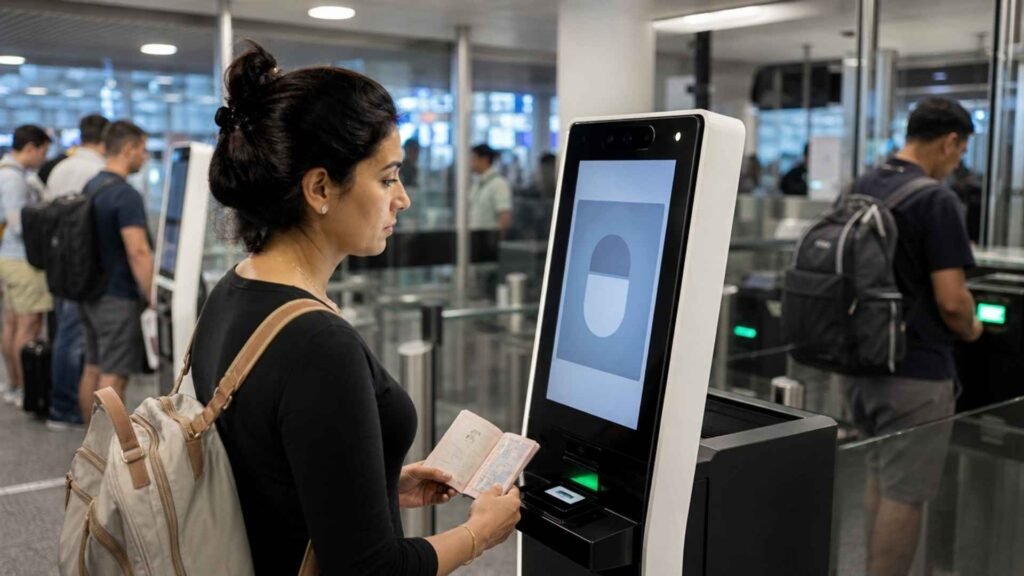
The Entry/Exit System, or EES, is the European Union’s digital border registration system for non-EU nationals making short visits to participating European countries.
Following a phased rollout that began in October 2025, EES became fully operational across all participating Schengen countries on April 10, 2026.
EES applies to most non-EU short-stay travelers, including:
- Visa-exempt visitors
- Holders of short-stay Schengen visas
- Travelers entering for up to 90 days in any 180-day period
It electronically records information such as:
- Passport details
- Date and place of entry
- Date and place of exit
- Facial image
- Fingerprints where required
- Entry refusal information
What Happens at the Border?
During an initial EES registration, travelers may need to:
- Scan or present their passport
- Have a facial image taken
- Provide fingerprints where applicable
- Answer standard entry questions
- Complete the normal border inspection
Some airports use self-service kiosks or automated pre-registration equipment, but completing a kiosk process does not necessarily replace the final decision of a border officer.
Future crossings may be faster because the system can reuse stored information, although identity checks and biometric verification may still occur.
Children below the applicable fingerprinting age may not need to provide fingerprints, but their entry and exit can still be recorded.
Who Is Generally Exempt from EES?
EES does not normally register:
- EU, EEA, or Swiss citizens
- Holders of certain residence permits
- Holders of qualifying long-stay visas
- Certain family members covered by EU free-movement rules
- Other specifically exempt categories
Having a non-EU passport does not automatically mean EES applies. Your immigration or residence status also matters.
Does EES Require an Online Application?
No. Travelers do not apply for EES before departure.
Registration takes place as part of the external Schengen border process. EES is different from ETIAS, which will require eligible visa-exempt travelers to obtain authorization before travel.
Germany ETIAS Requirements in 2026

ETIAS—the European Travel Information and Authorisation System—is a future pre-travel authorization for visa-exempt non-EU nationals visiting participating European countries.
As of July 2026, ETIAS is not operational and travelers cannot yet apply.
The European Union currently expects ETIAS to begin in the final quarter of 2026, but the exact launch date has not been announced. The official EU ETIAS portal should be used to confirm the launch before travel.
Who Will Need ETIAS?
Once it becomes mandatory, ETIAS will generally apply to travelers who:
- Are not EU, EEA, or Swiss citizens
- Hold a passport from a visa-exempt country
- Plan a short visit to Germany or another participating European country
- Do not hold an exempt residence permit, long-stay visa, or qualifying status
This is expected to include many travelers from:
- The United Kingdom
- The United States
- Canada
- Australia
- New Zealand
- Japan
- South Korea
- Other visa-exempt countries
Travelers who already require a Schengen visa will not apply for ETIAS. They must continue using the visa process.
ETIAS Is Not a Visa
ETIAS will be an electronic travel authorization, not a Schengen visa.
It will screen eligible visa-exempt travelers before departure but will not:
- Extend the 90/180-day allowance
- Authorize employment
- Guarantee admission
- Replace a passport
- Replace a required national or Schengen visa
The final entry decision will remain with border authorities.
What Will Travelers Need to Apply?
Once applications open, travelers are expected to need:
- An eligible passport
- Personal and contact information
- Travel document details
- Answers to eligibility and security questions
- An email address
- A payment method
The authorization will be electronically linked to the passport used in the application. If that passport expires, is lost, or is replaced, a new ETIAS authorization will normally be required.
Most applications are expected to be processed quickly, but some can require additional information or review. Travelers should therefore avoid applying immediately before departure.
Will ETIAS Become Mandatory Immediately?
The EU has announced that the ETIAS launch will be followed by transitional and grace periods lasting at least 12 months in total.
The practical boarding and border rules may therefore change in stages after launch. Travelers should check the official portal close to departure rather than relying on older articles or unofficial application websites.
Clara’s Tip: Do not pay an unofficial ETIAS website before applications officially open. The EU has not yet activated the application system as of July 2026.
EES vs ETIAS: What Is the Difference?
EES and ETIAS are connected to European border management but serve different purposes.
| Feature | EES | ETIAS |
|---|---|---|
| Main purpose | Records entry and exit at the border | Screens visa-exempt travelers before departure |
| Status in July 2026 | Fully operational | Not yet operational |
| Who is affected? | Most non-EU short-stay travelers | Eligible visa-exempt non-EU travelers |
| Visa holders included? | Generally yes, for short stays | No |
| Advance application required? | No | Yes, once launched |
| Biometrics at border? | Facial image and fingerprints where applicable | No separate ETIAS biometric appointment |
| Changes 90/180 rule? | No | No |
| Guarantees entry? | No | No |
The simplest distinction is:
EES happens at the border. ETIAS will happen before travel.
Arriving in Germany from Outside the Schengen Area

If Germany is your first point of entry into the Schengen Area, you normally complete passport control in Germany.
This applies whether you arrive through:
- Frankfurt Airport
- Munich Airport
- Berlin Brandenburg Airport
- Düsseldorf Airport
- Hamburg Airport
- Another German external border crossing
At passport control, non-EU travelers may complete EES registration and be asked about their accommodation, return plans, or purpose of travel.
After immigration, travelers arriving by air usually collect checked baggage and continue through customs.
Connecting Through Germany to Another Schengen Country
If you fly from a non-Schengen country through Frankfurt or Munich to another Schengen destination, you usually enter Schengen in Germany.
For example:
Istanbul → Frankfurt → Vienna
Passport control normally takes place in Frankfurt because Frankfurt is the first Schengen entry point. The Frankfurt–Vienna flight is treated as an internal Schengen journey.
Allow enough connection time for:
- Walking between gates
- Passport control
- EES processing
- Possible security screening
- Terminal or concourse changes
Travelers using separate tickets face additional risks because baggage collection or check-in requirements may force them to enter Germany even when they originally expected to remain in transit.
Our Frankfurt Airport Self-Transfer Guide explains these connection risks in greater detail.
Connecting Through Germany to a Non-Schengen Country
Travelers flying from one non-Schengen country through Germany to another non-Schengen country may be able to remain inside the international transit area.
However, entry into Germany may become necessary if you:
- Need to collect and recheck baggage
- Have separate tickets
- Must change to a departure area outside the transit zone
- Stay overnight where the airside area closes
- Miss your onward flight
- Connect to a Schengen destination
Some nationalities also require an airport transit visa even when remaining airside. Check the Germany Airport Transit Visa Guide before traveling.
Arriving in Germany from Another Schengen Country
If you have already entered Schengen through another member country, you will not usually complete routine external passport control again when traveling onward to Germany.
For example:
New York → Paris → Munich
The external Schengen entry check normally takes place in Paris. The Paris–Munich sector is then treated as an internal Schengen journey.
However, you should still carry your passport, visa, residence permit, and supporting documents. Temporary border controls and police checks can occur even on routes between Schengen countries.
Germany entry requirements still apply even when there is no routine passport booth at the point where you cross into the country.
Entry at Frankfurt and Munich Airports
The same national and Schengen entry rules apply at Frankfurt, Munich, Berlin, Düsseldorf, and every other German international airport.
The main difference is operational rather than legal. Larger airports may have:
- Separate EU and non-EU passport lanes
- EES registration kiosks
- Automated border gates
- Longer walking distances
- Multiple terminal or concourse areas
- Larger queues during peak arrival banks
At Frankfurt Airport, travelers should follow signs for passport control, baggage claim, arrivals, or flight connections depending on their itinerary.
For a complete step-by-step explanation, see our Frankfurt Airport Arrival Guide.
Traveling to Germany by Train, Bus or Car
The same entry rules apply whether you arrive by air, train, bus, ferry, or private vehicle.
Routine immigration control is generally absent at internal Schengen borders, but Germany may introduce temporary border checks. Police can request identification and verify immigration status.
Carry:
- Your passport or accepted national identity card
- Your visa or residence permit where required
- Evidence of your travel plans
- Vehicle documents if driving
- Consent documents when traveling with a child in relevant circumstances
Do not assume that crossing by train or road removes the need to meet Germany entry requirements.
Entry Requirements for Children
Every child should carry an individual valid travel document.
Depending on nationality and circumstances, this may include:
- A passport
- A national identity card for eligible European citizens
- A Schengen visa
- A residence permit
- ETIAS after the system becomes applicable
- Parental consent documents
When a child travels alone, with one parent, or with an adult who is not a legal guardian, border authorities or airlines may request additional evidence.
Useful documents can include:
- A signed consent letter
- A copy of the absent parent’s identification
- The child’s birth certificate
- Custody documents
- Contact details for parents or guardians
Consent-document rules vary, so families should check with the airline and relevant embassy before departure.
Entry Requirements for UK Citizens
British citizens traveling on a full UK passport can normally visit Germany without a Schengen visa for up to 90 days in any 180-day period.
The passport must generally:
- Have been issued within the previous 10 years on the date of entry
- Remain valid for at least three months after the intended departure from Schengen
Days spent in Germany and other Schengen countries are combined.
UK citizens making short visits are subject to EES in 2026 unless an exemption applies. They will also generally need ETIAS after it becomes mandatory.
British citizens covered by the Withdrawal Agreement or holding qualifying residence documentation may follow different rules.
Entry Requirements for US, Canadian and Australian Citizens
Citizens of the United States, Canada, and Australia can normally visit Germany visa-free for tourism or business for up to 90 days in any 180-day period.
They still need to:
- Meet the passport validity requirements
- Stay within the Schengen 90/180-day limit
- Complete EES border registration
- Show supporting travel documents if requested
- Obtain ETIAS once it becomes mandatory
Visa-free status does not provide an automatic right to work or remain longer than 90 days.
Can Germany Refuse Entry?
Yes. Entry can be refused even when a traveler holds a passport, visa, or future ETIAS authorization.
Possible reasons include:
- Invalid passport
- Passport issued more than 10 years before entry
- Insufficient remaining passport validity
- Missing visa
- Invalid, expired, or incorrectly used visa
- Exceeding the 90/180-day limit
- Inability to explain the purpose of travel
- Insufficient financial resources
- No credible accommodation or onward plan
- An alert in a relevant security database
- A previous entry ban
- False or contradictory information
- A public policy, security, or health concern
A traveler refused entry should normally receive a written decision explaining the reason and available appeal procedures.
German Customs Rules After Entry
Passport control and customs are separate processes.
Passport control determines whether you may enter Germany and the Schengen Area. Customs controls what goods, money, food, alcohol, tobacco, medicines, and restricted items you bring into the country.
Travelers arriving from outside the EU may need to declare certain goods or cash.
Carrying €10,000 or More
Anyone entering the EU through Germany from a non-EU country with cash or qualifying cash equivalents totaling €10,000 or more must make the required customs declaration.
Travelers arriving from another EU country may also need to disclose cash or equivalent payment instruments totaling €10,000 or more when questioned by customs.
German Customs provides detailed guidance on cash declaration rules when entering Germany.
Failing to declare qualifying amounts can result in questioning, seizure, or penalties.
Common Germany Entry Mistakes
The most frequent problems are often caused by misunderstanding Schengen-wide rules.
Avoid these mistakes:
- Checking only the passport expiry date and ignoring the issue date
- Assuming a passport must merely remain valid during the trip
- Counting 90 days separately for every Schengen country
- Believing a long visa-validity period equals the permitted duration of stay
- Assuming ETIAS is already required in mid-2026
- Confusing ETIAS with EES
- Packing border documents in checked baggage
- Applying through Germany when another country is the main destination
- Assuming a Schengen visa guarantees entry
- Ignoring transit visa requirements during an airside connection
- Expecting separate tickets to work like a protected through-ticket
- Booking travel before confirming passport and visa eligibility
Germany Entry Checklist for 2026
Before departure, confirm that you have:
- A passport or accepted national identity card
- At least three months of passport validity beyond your Schengen departure, where applicable
- A passport issued within the previous 10 years, where applicable
- A valid Schengen or German national visa if required
- Enough unused days under the 90/180-day rule
- Return or onward travel evidence
- Accommodation confirmations
- Proof of sufficient funds
- Travel medical insurance
- Documents explaining your visit
- Residence documentation if relevant
- Parental consent documents for a child where necessary
- Correct information about EES registration
- Up-to-date confirmation of whether ETIAS has launched
- Customs declarations where required
Frequently Asked Questions
What are the Germany entry requirements in 2026?
EU, EEA, and Swiss citizens generally need a valid passport or national identity card. Most non-EU visitors need a passport issued within the previous 10 years and valid for at least three months after leaving Schengen. Depending on nationality, a Schengen visa may also be required.
EES is fully operational, while ETIAS is expected later in 2026 but has not yet launched.
Do I need a visa to visit Germany?
It depends on your nationality, passport type, travel purpose, and length of stay. Many nationalities can visit visa-free for up to 90 days in any 180-day period, while others must obtain a Schengen visa before traveling.
Do Turkish citizens need a visa for Germany?
Ordinary Turkish passport holders generally need a Schengen visa for short trips to Germany. Different rules may apply to diplomatic, service, and special passport holders.
Is ETIAS required for Germany in 2026?
Not yet. As of July 2026, ETIAS is not operational. It is currently expected to launch in the final quarter of 2026, followed by transitional and grace periods.
Is EES operating in Germany?
Yes. Following its phased introduction, EES became fully operational across participating Schengen countries on April 10, 2026.
Does EES apply to Schengen visa holders?
EES generally registers both visa-exempt non-EU short-stay visitors and travelers using short-stay Schengen visas. Certain residence permit holders, long-stay visa holders, and other protected categories are exempt.
How long can I stay in Germany without a visa?
Eligible visa-exempt travelers can normally stay for up to 90 days in any rolling 180-day period. The limit covers the entire Schengen Area, not Germany alone.
Does my passport need six months of validity?
Germany normally requires applicable non-EU passports to remain valid for at least three months beyond the intended departure from the Schengen Area. Six months is not the standard Schengen minimum, although extra validity provides useful protection against unexpected delays.
Can I enter Germany with a Schengen visa issued by another country?
Usually, yes, if the visa is valid for Germany and you follow the itinerary and destination rules used for the application. You should apply through the country that is your main destination rather than selecting a consulate only for convenience.
Where do I complete passport control when connecting through Germany?
If Germany is your first Schengen entry point and your next flight is to another Schengen country, you normally complete passport control in Germany. If both your origin and onward destination are outside Schengen and you remain airside, you may not formally enter Germany.
Can border officers ask for hotel bookings and a return ticket?
Yes. Non-EU travelers may be asked to prove their accommodation, purpose of travel, financial means, and intention to leave before their authorized stay ends.
Do children need their own passports?
Yes. Children need their own valid travel document and a visa when required. Additional parental consent or custody documents may also be requested depending on the journey.
Final Thoughts
Germany entry requirements are straightforward once you confirm your passport validity, visa status, and remaining days under the Schengen 90/180-day rule.
EES is now fully operational, while ETIAS remains pending. Check your documents and the latest official rules before departure.