
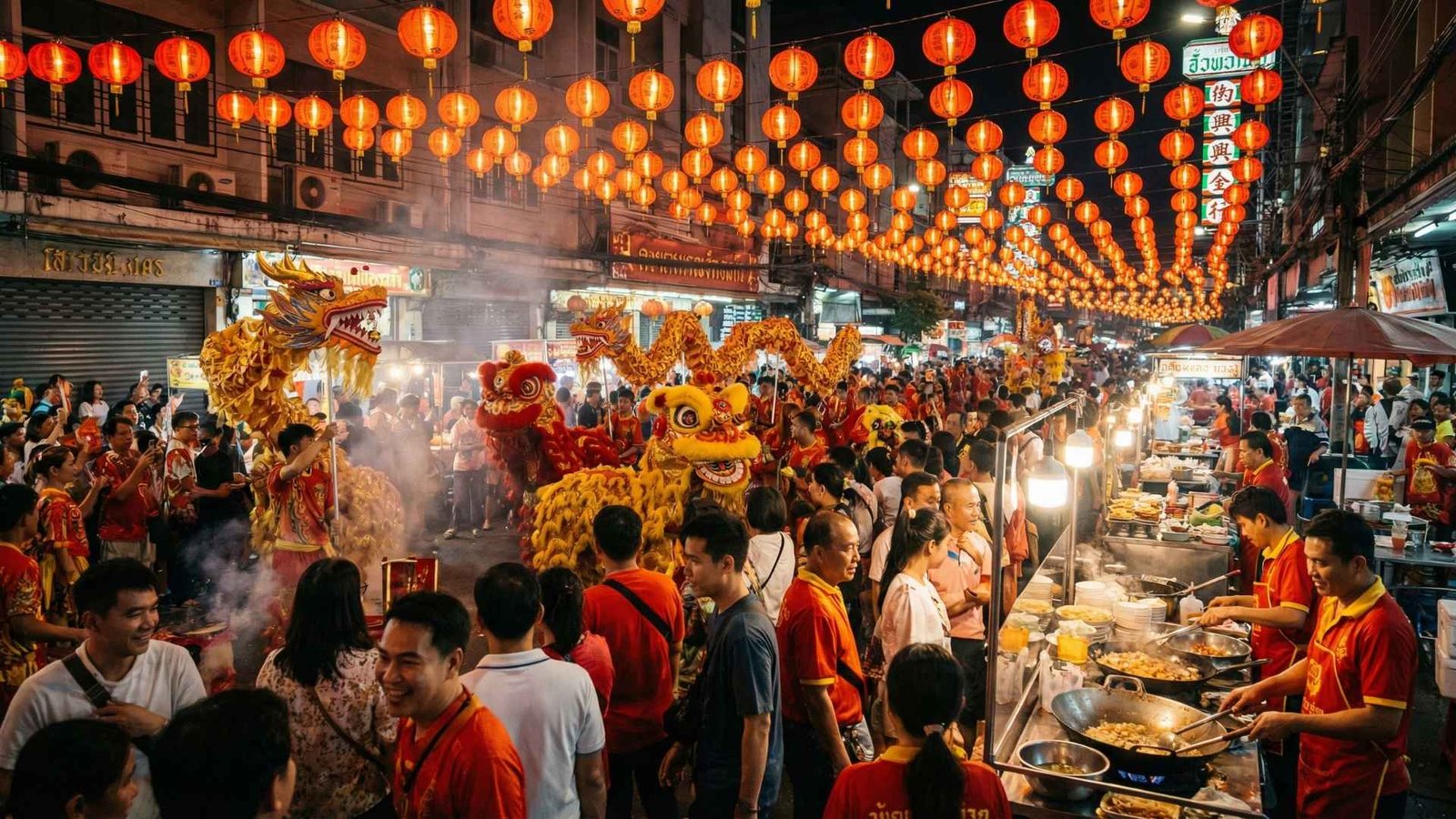
Chinese New Year in Bangkok is not just a festival—it is one of the rare moments when the city’s multicultural identity becomes fully visible. As the Lunar New Year approaches, Yaowarat (Bangkok Chinatown) transforms into a glowing corridor of red lanterns, incense smoke, ceremonial offerings, and nonstop street life. For travelers, Chinese New Year Bangkok offers an immersive way to experience the city through tradition, belief, and community rather than sightseeing alone.
Bangkok is home to one of Southeast Asia’s largest Chinese communities, giving its Lunar New Year celebrations remarkable depth and authenticity. From early-morning temple rituals to late-night dragon dances and legendary street food, the festival reveals a timeless and emotional side of the city.
What Is Chinese New Year and Why It Matters in Bangkok
Chinese New Year—also known as Lunar New Year—marks the start of the lunar calendar and represents renewal, prosperity, good health, and family unity. While celebrated across Asia, Chinese New Year in Bangkok has a distinct identity shaped by generations of Chinese cultural influence.
During the festival, this influence is clearly felt in Bangkok’s daily life, especially in areas like Yaowarat. Families honor their ancestors with incense and offerings, businesses perform prosperity rituals, and streets fill with red and gold decorations symbolizing good fortune.
More than a festival, Chinese New Year in Bangkok is a moment when the city slows down, families reconnect, and cultural traditions take center stage.
When Is Chinese New Year Celebrated in Bangkok?
Chinese New Year in Bangkok typically falls between late January and mid-February, depending on the lunar calendar. While the official celebration lasts three days, the festive atmosphere across the city—especially in Chinatown—often extends well beyond the main dates, with decorations, street food stalls, and cultural performances continuing before and after the holiday.
Key celebration days in Bangkok
- New Year’s Eve: Family reunions, shrine visits, incense rituals, and final preparations
- New Year’s Day: Temple worship, ancestral offerings, and quieter family-focused activities
- Second Day: Public festivities, street performances, lion and dragon dances
For travelers, arriving 1–2 days before New Year’s Day is ideal. This timing allows you to experience both the spiritual preparation rituals and the peak street celebrations, offering a more complete and balanced view of Chinese New Year in Bangkok.
Beyond the official dates, the rhythm of Chinese New Year in Bangkok continues across several days, shaping how the city experiences the festival.
How Long Does Chinese New Year Last in Bangkok?
Officially, Chinese New Year lasts three days, but in Bangkok the celebrations last longer. In Yaowarat and nearby Chinatown streets, the festive mood often starts before New Year’s Day and continues for several days after.
Lanterns, street food stalls, and temple rituals remain active throughout this time. Instead of a single day, celebrations spread across the week.
For visitors, this means flexibility. Even if you don’t arrive on the main day, you can still experience the atmosphere, food, and traditions of Chinese New Year in Bangkok.
🌅 Day vs 🌙 Night: Experiencing Chinese New Year in Bangkok
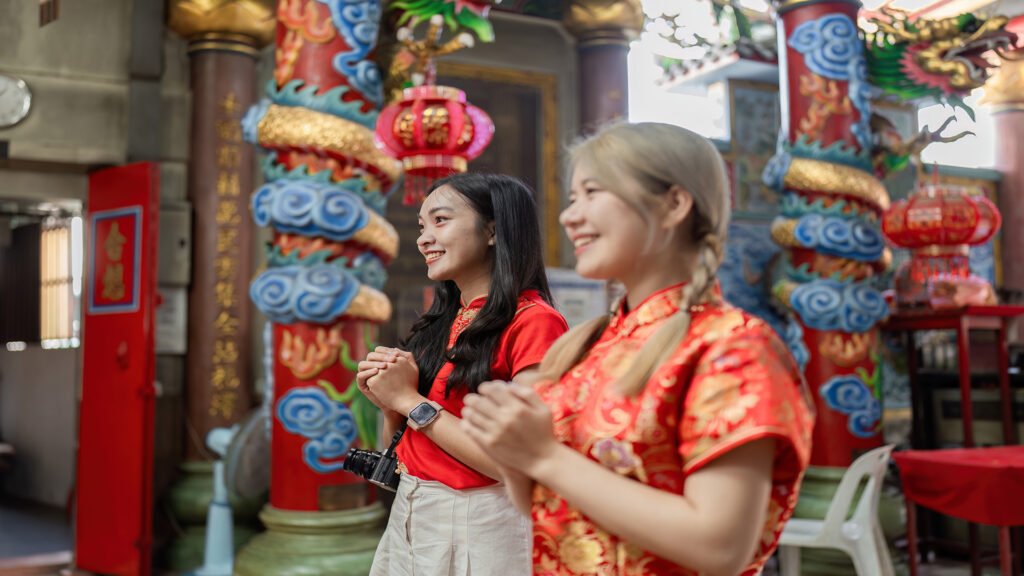
Chinese New Year in Bangkok unfolds in two distinct rhythms, each offering a different side of the celebration. Experiencing both daytime traditions and nighttime festivities provides the most complete understanding of the festival.
🌅 Daytime (Morning–Afternoon)
Atmosphere: Spiritual, traditional, family-focused
- Temple and shrine visits
- Incense rituals and ancestral offerings
- Business prosperity ceremonies
- Calmer streets and respectful silence
Best for: Cultural depth, families, first-time visitors
🌙 Nighttime (Evening–Late Night)
Atmosphere: Festive, energetic, visually dramatic
- Lantern-lit streets and dense crowds
- Dragon and lion dance performances
- Street food at its most vibrant
- Iconic scenes along Yaowarat Road
Best for: Festival energy, photography, street life lovers
⭐ Ideal Experience
For the richest experience, visit temples in the morning and return to Chinatown after sunset to enjoy the full festival atmosphere.
Best Places to Experience Chinese New Year in Bangkok
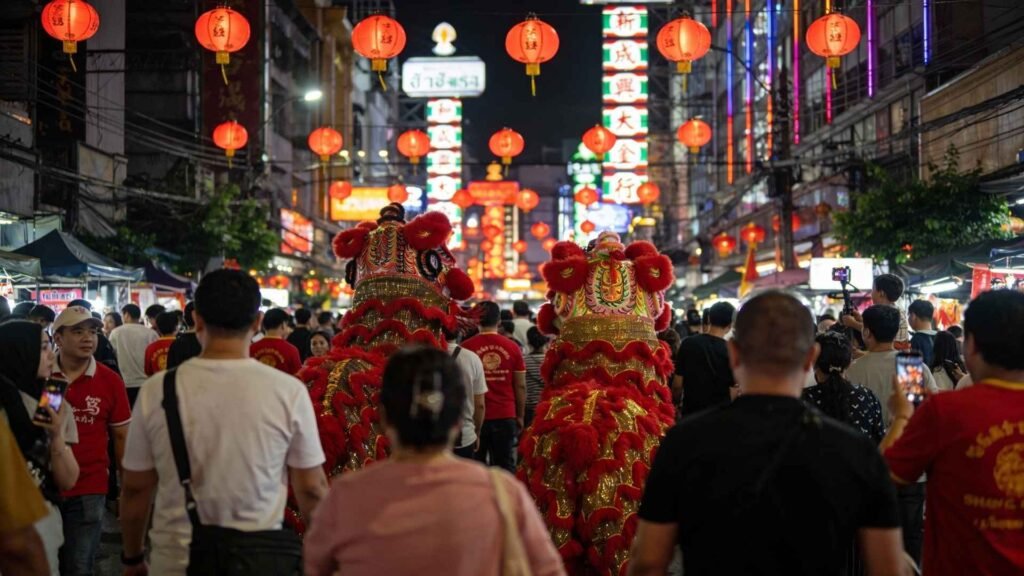
Chinese New Year celebrations in Bangkok are spread across different neighborhoods, each offering a distinct atmosphere. From lively street festivities to quiet temple rituals, knowing where to go helps you experience the festival in the way that suits you best.
Yaowarat Road (Main Celebration Zone)
Yaowarat Road is the heart of Chinese New Year in Bangkok. During the festival, the street fills with red lanterns, ceremonial music, lion and dragon dances, and well-known street food stalls that stay open late into the night.
As evening falls, the energy builds. Performances move through the street, crowds gather around food vendors, and the atmosphere becomes more lively and colorful. For visitors looking for the most immersive experience, Yaowarat Road after sunset captures the true spirit of Chinese New Year in Bangkok.
Temples & Shrines in Chinatown
For a more spiritual and reflective perspective, the temples and shrines surrounding Yaowarat reveal the deeper meaning behind the celebration.
- Wat Mangkon Kamalawat – The most important Chinese temple in Bangkok, attracting thousands of worshippers who come to pray for health, prosperity, and protection
- Leng Buai Ia Shrine – One of Bangkok’s oldest Chinese shrines, known for its powerful incense rituals and intense devotional atmosphere
Visiting these temples early in the morning offers a calmer and more intimate experience, allowing visitors to observe traditional rituals before the streets fill with crowds later in the day.
How to Get to Yaowarat During Chinese New Year
Reaching Chinatown during Chinese New Year in Bangkok requires some advance planning, as road closures, heavy traffic, and dense crowds are common—especially in the evenings. Choosing the right transportation method can significantly improve your overall experience.
🚇 MRT (Best Option)
The most reliable and stress-free way to reach Chinatown during the festival is the MRT Blue Line.
- Wat Mangkon MRT Station places you directly in the heart of Yaowarat
- Avoids road closures and traffic congestion
- Ideal for both daytime temple visits and evening celebrations
This is the recommended option for most visitors during Chinese New Year.
🚕 Taxi & Grab (Limited Access)
Taxis and ride-hailing services are available, but access is often restricted near Yaowarat during peak hours.
- Expect delays, detours, and drop-offs outside the main celebration zone
- Best used early in the morning or late at night
- Not recommended during peak evening hours
🚤 River Boat + Walk (Scenic Alternative)
For a more relaxed and scenic approach, consider arriving by river.
- Take a Chao Phraya river boat and walk toward Chinatown
- Avoids heavy road traffic
- Offers a quieter transition into the festival atmosphere
This option works well for travelers who enjoy walking and exploring side streets before reaching Yaowarat.
⏰ Timing Tip
- Morning: Best for temple visits and spiritual rituals
- After sunset: Best for street performances, food stalls, and festival energy
Arriving early allows you to experience both sides of Chinese New Year in Bangkok—the calm, ceremonial morning and the vibrant, celebratory evening.
Chinese New Year Traditions You’ll Witness in Bangkok
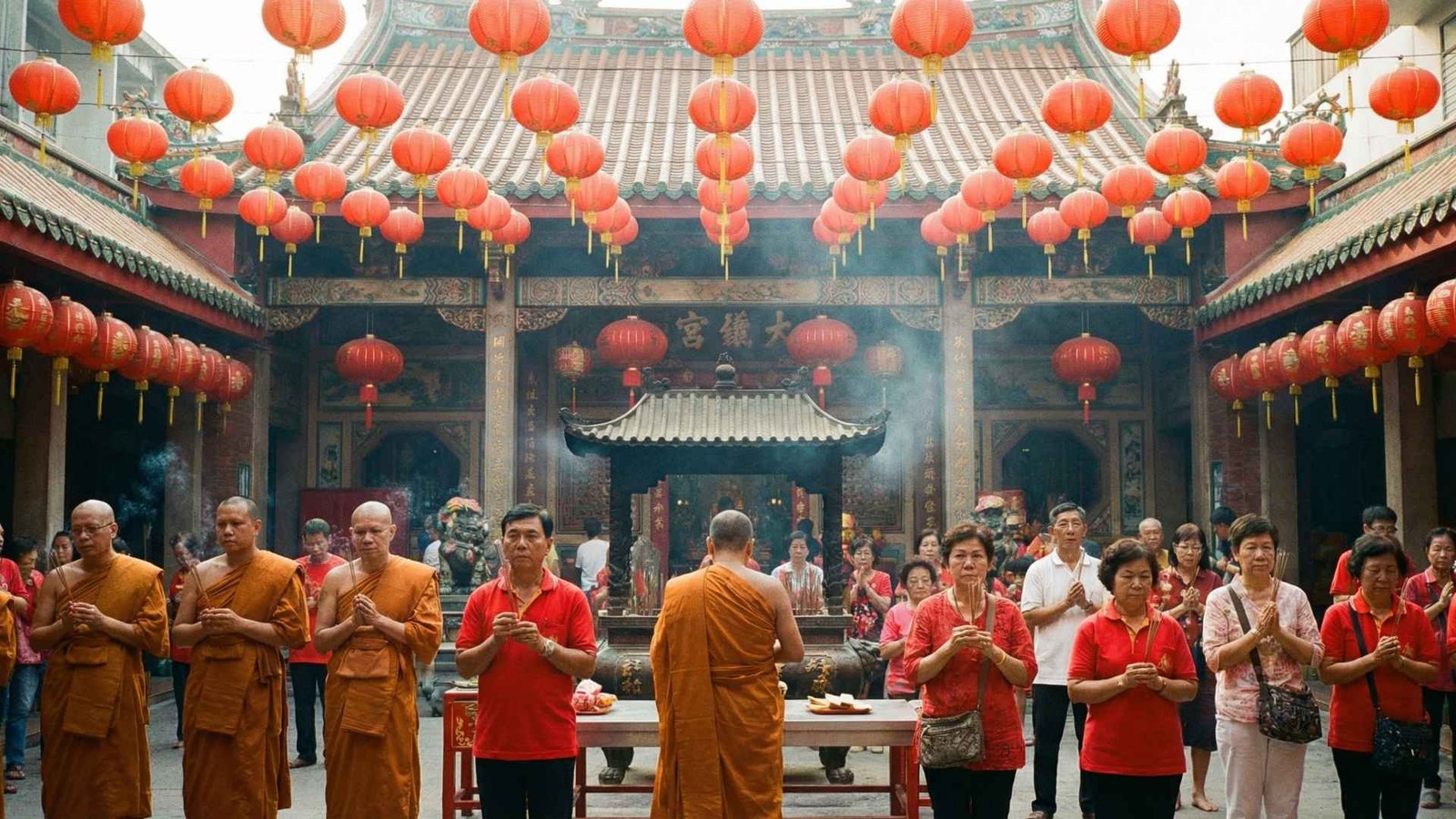
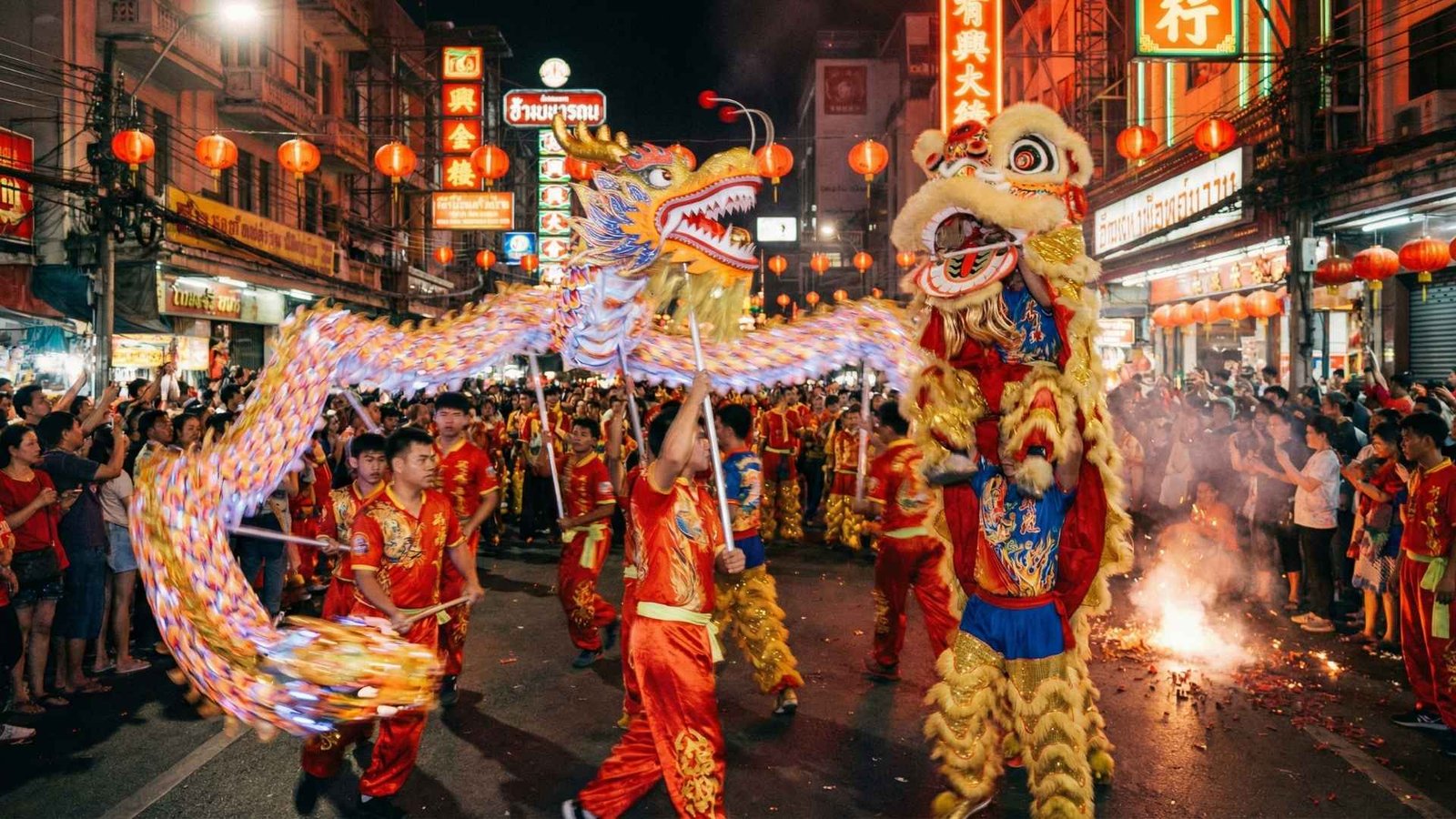
During Chinese New Year in Bangkok, centuries-old traditions unfold openly in homes, temples, and streets, allowing visitors to witness rituals that are both deeply personal and publicly celebrated.
🧧 Red Envelopes & Family Rituals
Red envelopes, known as hongbao, symbolize luck, prosperity, and positive energy. They are exchanged among family members and business owners as a way to share good fortune for the year ahead. Many shops perform ceremonial offerings and prayers during this time, asking for success, protection, and prosperity in the coming year.
🐉 Dragon & Lion Dances
Dragon and lion dances are among the most visually striking elements of Chinese New Year in Bangkok. Believed to chase away evil spirits and attract good fortune, these performances move through streets and neighborhoods, stopping at shops and shrines to bestow blessings and energy.
🕯️ Incense & Ancestral Offerings
Honoring ancestors is central to Chinese New Year traditions. Families present incense, fruits, sweets, and symbolic foods at temples and home altars, expressing gratitude and remembrance. Visitors are welcome to observe these rituals respectfully, offering a rare glimpse into the spiritual heart of the festival.
What to Eat During Chinese New Year in Yaowarat
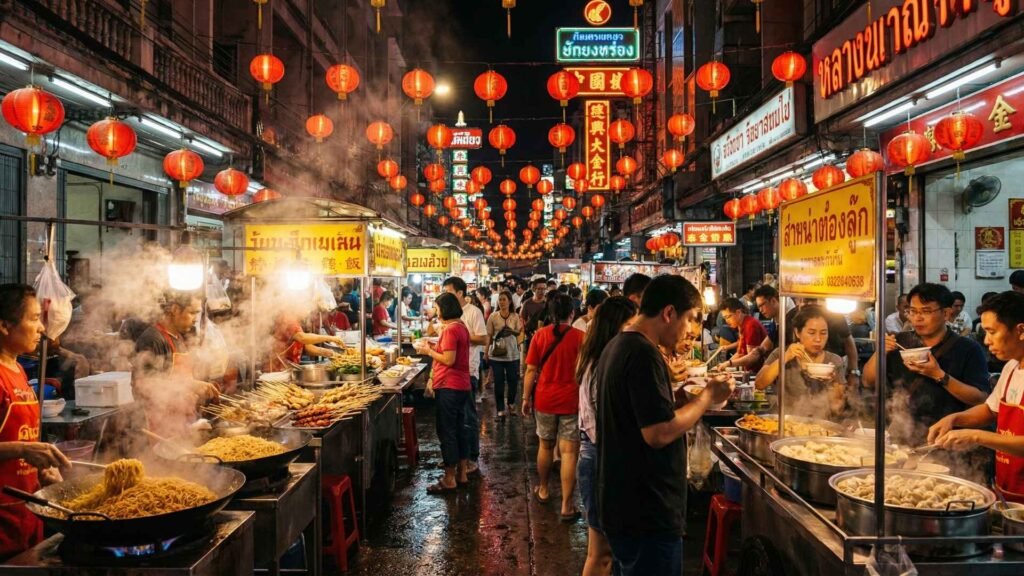
Food plays a central role in Chinese New Year in Bangkok, and nowhere is this more evident than in Yaowarat. During the festival, Bangkok’s Chinatown becomes a lively food hub, where traditional Chinese symbolism blends with the city’s famous street food culture.
Many dishes served during Chinese New Year are chosen not only for their taste, but for what they represent—prosperity, longevity, happiness, and abundance for the year ahead.
Must-Try Foods During Chinese New Year in Bangkok
- Roast Duck & Crispy Pork
A festival staple symbolizing abundance and success. These dishes are often prepared as offerings before being shared with family and friends. - Chinese Dumplings & Steamed Buns
Dumplings represent wealth and prosperity, while steamed buns are associated with good fortune and harmony. - Longevity Noodles
Traditionally eaten without cutting, these noodles symbolize long life and are especially popular during the Lunar New Year period. - Sweet Rice Cakes & Sesame Desserts
Sticky rice desserts represent family unity and togetherness, making them a meaningful way to end a festive meal.
Where to Eat in Yaowarat During the Festival
During Chinese New Year Bangkok, food stalls line both main streets and hidden side alleys.
- Main Yaowarat Road: Best for iconic visuals, classic street food, and lively atmosphere
- Side streets & sois: Slightly less crowded, often offering more traditional or specialty dishes
Arriving earlier in the evening allows you to explore multiple stalls before peak crowds form later at night.
Food Experience Tip
Be prepared to stand while eating, share tables with locals, and follow the flow of the crowd. Part of the charm of Chinese New Year in Bangkok is embracing the spontaneous, communal nature of street dining.
Where to Stay During Chinese New Year in Bangkok
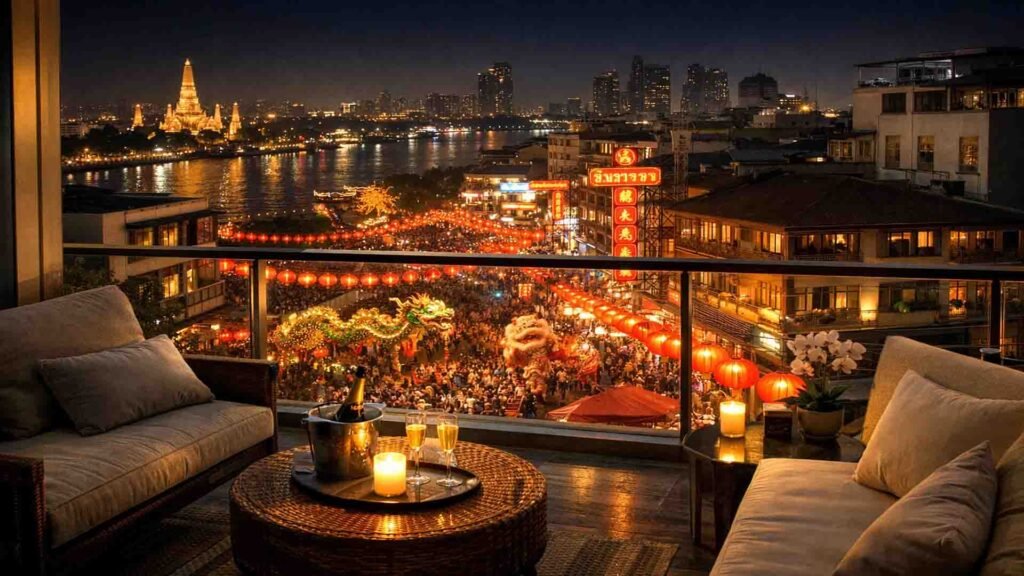
Choosing the right accommodation plays a major role in how you experience Chinese New Year in Bangkok. The festival brings heavy crowds, road closures, and extended night activity—especially around Chinatown—so location and comfort matter more than usual.
Best Areas to Consider
- Near Yaowarat (Chinatown)
Perfect for full immersion in Chinese New Year in Bangkok. You’ll be steps away from lantern-filled streets, food stalls, and temple rituals, but should expect noise and heavy crowds at night. - Riverside Hotels (Chao Phraya Area)
A calmer option with easy access to Chinatown by river boat or short taxi ride. Ideal for travelers who want festival energy without staying in the busiest streets. - Old Town Districts (Rattanakosin Area)
A balanced choice offering cultural surroundings, better nighttime comfort, and convenient transport connections to Yaowarat. Well-suited for first-time visitors and families.
Booking Tip
Hotels near Chinatown often sell out weeks in advance for Chinese New Year in Bangkok. Booking early ensures better availability and more reasonable rates, especially if you plan to stay close to Yaowarat.
What to Wear During Chinese New Year in Bangkok
Choosing the right outfit during Chinese New Year in Bangkok helps you stay comfortable while showing cultural respect. With warm weather, long walks, and temple visits all part of the experience, practical clothing choices make a noticeable difference.
Clothing tips
- Wear red whenever possible, as it symbolizes luck, happiness, and prosperity
- Choose lightweight, breathable fabrics suitable for Bangkok’s heat
- Opt for comfortable footwear, as you’ll spend long hours walking or standing
- Dress modestly when entering temples, covering shoulders and knees
Even small touches, such as a red accessory or scarf, help you blend naturally into the festive atmosphere of Chinese New Year Bangkok.
Is Chinese New Year in Bangkok Family-Friendly?
Yes—with thoughtful planning, Chinese New Year in Bangkok can be a family-friendly experience. Daytime temple visits, cultural rituals, and early evening walks through Chinatown are generally suitable for children and older family members.
Late-night celebrations, however, can become crowded and intense, especially along Yaowarat Road. Families will have a more comfortable experience by planning visits earlier in the day.
Family-friendly tips
- Prioritize morning or afternoon visits
- Explore less congested side streets rather than main roads at peak hours
- Choose areas with easy access to transport and rest areas
With the right timing, families can enjoy the cultural depth of Chinese New Year Bangkok without feeling overwhelmed.
Common Mistakes Visitors Make During Chinese New Year
Avoiding these common pitfalls can significantly improve your experience of Chinese New Year in Bangkok, especially if this is your first visit during the festival.
- Underestimating evening crowds: Yaowarat becomes extremely crowded after sunset, making movement slow and exhausting
- Ignoring temple etiquette: Wearing revealing clothing or using flash photography can cause discomfort or refusal of entry
- Waiting until the last minute to book accommodation: Hotels near Chinatown often sell out weeks in advance
- Sticking only to main streets: Side lanes offer equally rich atmosphere with fewer crowds
- Expecting normal traffic conditions: Road closures and reroutes are common during festival days
Being aware of these mistakes allows visitors to navigate Chinese New Year Bangkok more comfortably and respectfully.
Chinese New Year vs Other Bangkok Festivals
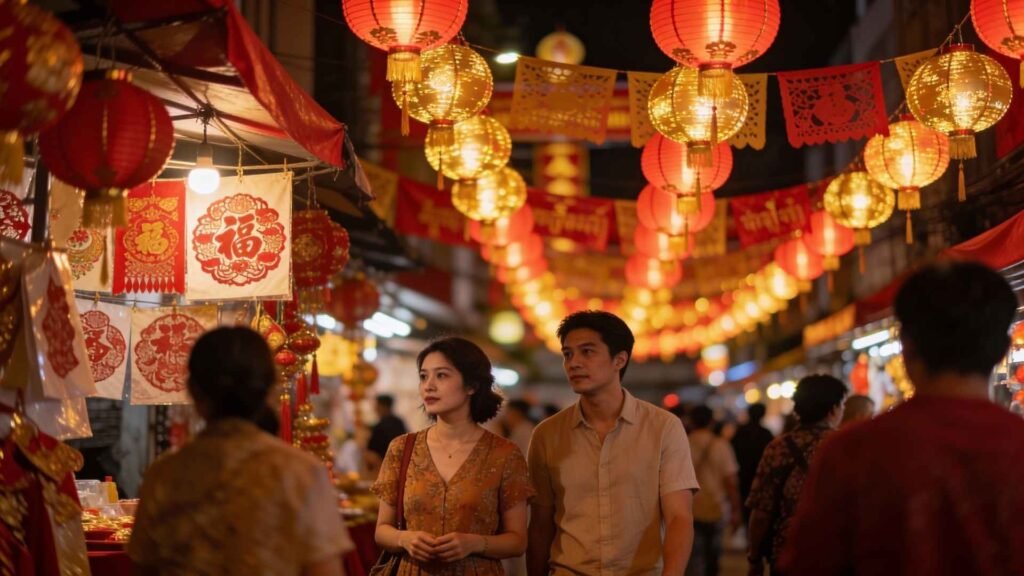
Each major festival in Bangkok reveals a different emotional layer of the city:
- Songkran: Highly energetic and playful, centered around water celebrations and citywide participation
- Loy Krathong: Romantic and spiritual, defined by candle-lit rituals and poetic river scenes
- Chinese New Year: Community-driven and ceremonial, rooted in family traditions, faith, and heritage
For travelers seeking cultural depth and historical continuity, Chinese New Year in Bangkok stands apart as the most tradition-focused celebration.
Photography & Cultural Etiquette Tips
Chinese New Year in Bangkok is visually captivating, but it is also a deeply meaningful cultural and spiritual event. Following a few simple photography and etiquette guidelines ensures that you capture memorable moments while showing respect to local traditions and worshippers.
- Photograph street performances freely, but ask permission before taking photos inside temples or shrines
- Avoid flash photography during rituals, as it can disturb worshippers
- Dress respectfully when entering sacred spaces, covering shoulders and knees
- Be patient and mindful—crowds are an essential part of the festival atmosphere
Respectful behavior enhances both your experience and the cultural integrity of Chinese New Year in Bangkok.
Final Thoughts
Experiencing Chinese New Year in Yaowarat (Bangkok Chinatown) reveals Bangkok at its most authentic—where memory, belief, and celebration shape daily life. It is a moment when the city slows its modern pace and reconnects with its multicultural roots.
If your visit coincides with the Lunar New Year, don’t simply watch the celebration—step into it and experience one of Bangkok’s most powerful cultural traditions.
🟣 Explore Bangkok Festivals:
Songkran Festival in Bangkok 👉 Read the complete festival guide
Loy Krathong Festival in Bangkok: 👉 Explore a Night of Light & Reflection
Discover Bangkok Beyond Cinema 👉 Festivals, Art & Cultural Experiences →
Bangkok New Year Countdown: 👉 Explore the Ultimate New Year’s Eve Celebration
Bangkok Festivals Guide: 👉 Explore All Major Cultural Events in the City