
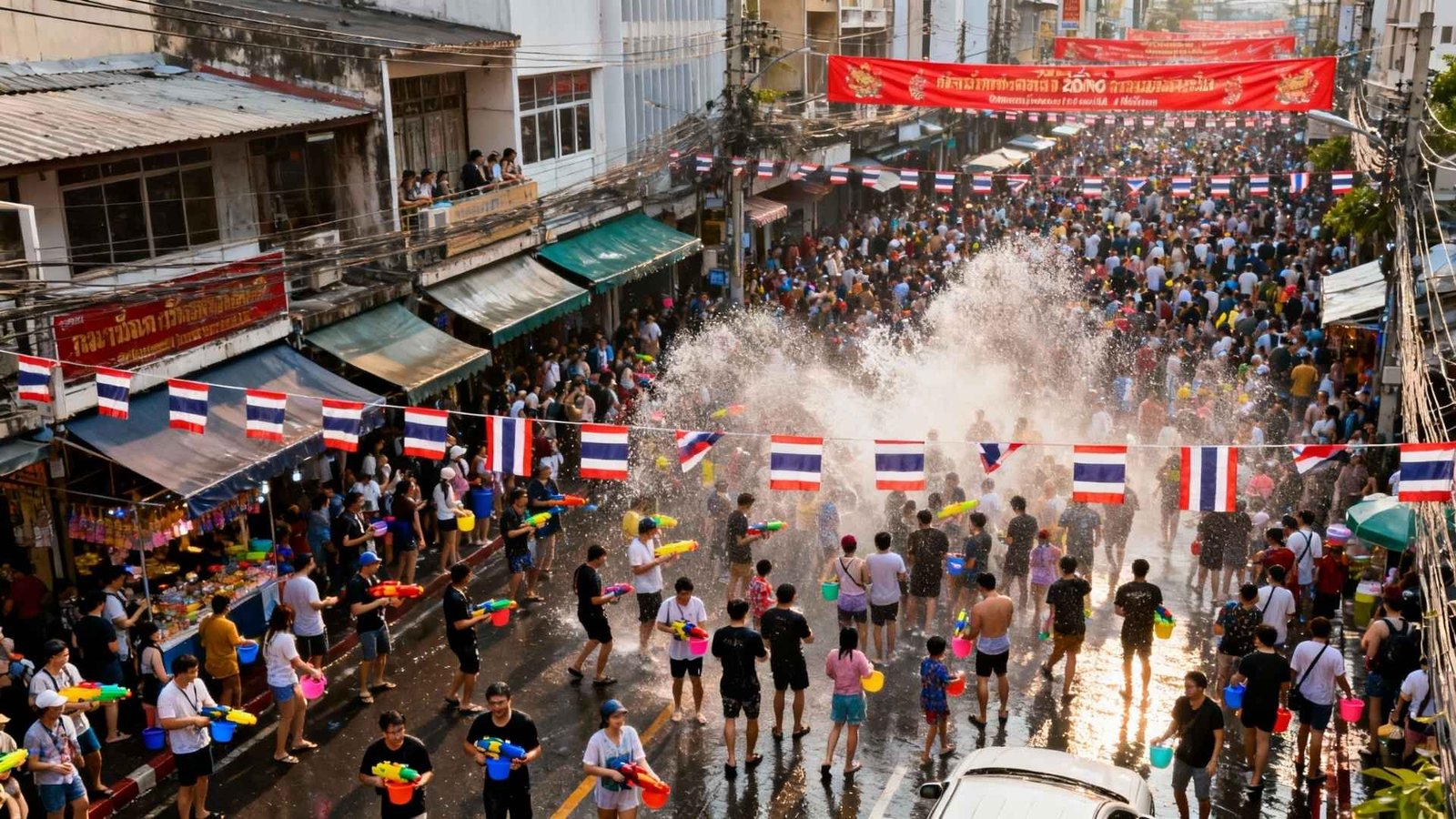
The Songkran Festival Bangkok experience is more than a world-famous water fight— it is a cultural reset, a spiritual renewal, and one of the most unforgettable moments to witness Thailand at its most open-hearted. Celebrated every April as the Thai New Year, Songkran transforms Bangkok into a city of shared laughter, flowing water, and meaningful traditions rooted in cleansing the past and welcoming fresh beginnings.
For travelers, Songkran Festival in Bangkok offers a rare opportunity to experience ancient rituals alongside modern street celebrations—where temples, neighborhoods, and main avenues all participate in the same joyful rhythm.
What Is the Songkran Festival?
The Songkran Festival marks the traditional Thai New Year and is celebrated annually from April 13–15 across Thailand, with Bangkok at the heart of the festivities. The word Songkran originates from Sanskrit, meaning transition or movement, symbolizing the passage from the old year into a renewed beginning.
At the core of the Songkran Festival lies the symbolic power of water. Traditionally, water was gently poured over Buddha statues and elders’ hands as a gesture of respect, purification, and gratitude. Over time, these intimate rituals evolved into the joyful water celebrations seen today throughout Bangkok—still deeply rooted in the belief of washing away misfortune and welcoming clarity, luck, and renewal for the year ahead.
According to the Tourism Authority of Thailand, Songkran marks the traditional Thai New Year and is celebrated nationwide.
The Atmosphere of Songkran Festival in Bangkok
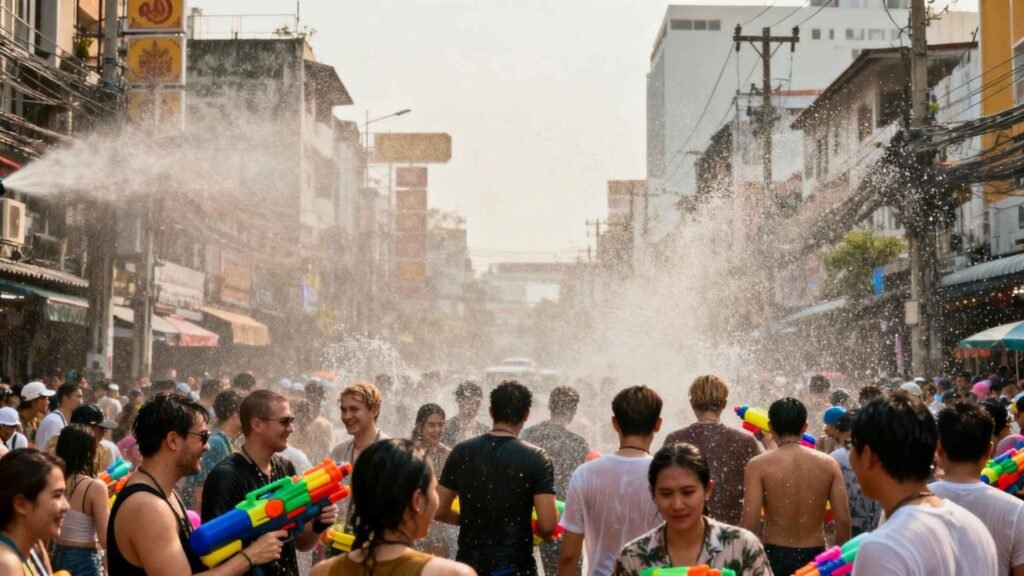
During the Songkran Festival Bangkok experience, the city temporarily sheds its usual rhythm. Major streets transform into pedestrian zones, traffic slows dramatically, and entire neighborhoods become open-air celebration spaces. Locals and visitors alike take part with water guns, buckets, and spontaneous laughter, creating a rare moment of collective joy across the city.
What truly sets Songkran Festival Bangkok apart is its balance. Mornings often begin with spiritual reflection and temple visits, while afternoons shift into vibrant street celebrations. By evening, the city transitions once again into social gatherings, music-filled streets, and shared festivities that continue late into the night.
The Spiritual & Traditional Side of Songkran
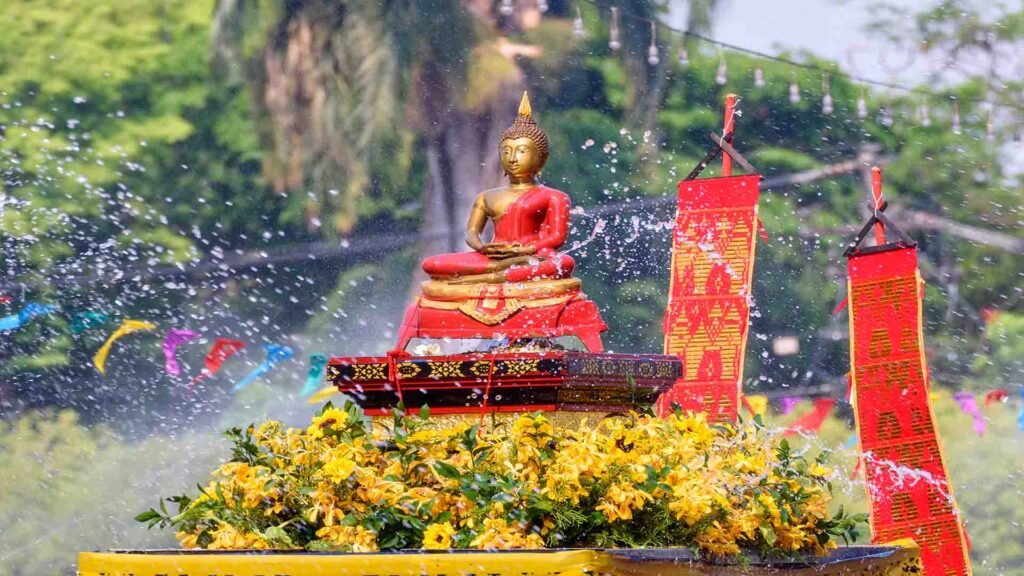
Despite its playful global image, Songkran remains one of Thailand’s most spiritually significant festivals. Long before the streets fill with laughter and water fights, early mornings are dedicated to temple visits, merit-making rituals, and offerings to monks. These quiet moments set the emotional foundation of the festival, grounding celebration in reflection and gratitude.
Families also take time to honor elders through a gentle water-pouring ceremony, often using scented or flower-infused water. This act is not merely symbolic—it represents respect, forgiveness, and the passing of wisdom from one generation to the next. Experiencing these traditions reveals the deeper meaning of Songkran, highlighting the enduring values of family, humility, and cultural continuity that remain at the heart of Thai society.
Best Areas to Celebrate Songkran Festival in Bangkok
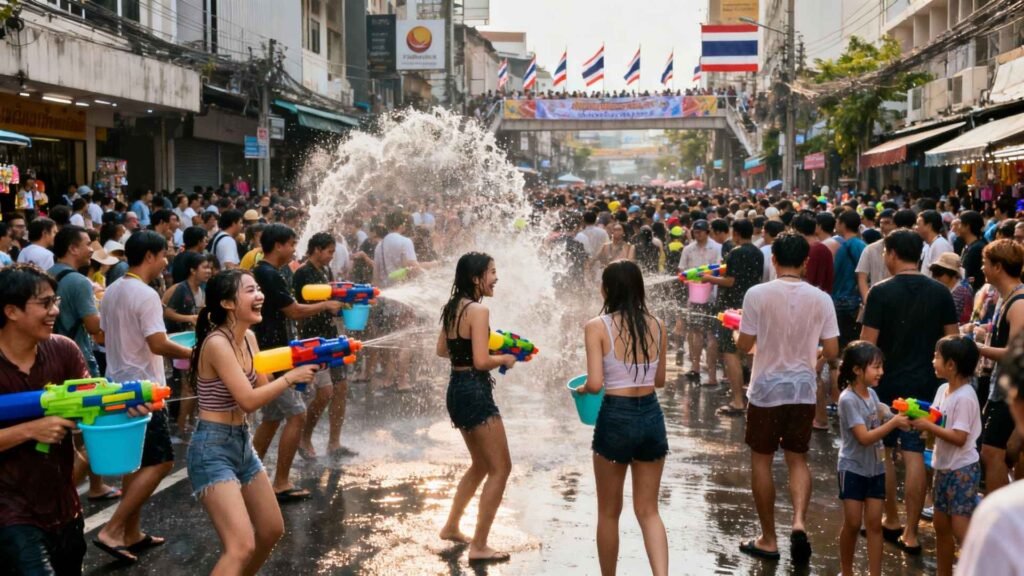
Choosing the right location can shape your Songkran Festival Bangkok experience. The city celebrates Songkran in different ways, with each neighborhood offering its own rhythm, energy, and cultural atmosphere. From nonstop street action to quieter, tradition-focused moments, Bangkok has a celebration style for every traveler.
- Khao San Road – The most high-energy Songkran area, known for nonstop water battles, loud music, and an international party crowd.
- Silom Road – One of Bangkok’s largest Songkran zones, where closed main streets turn into massive, citywide celebrations.
- Siam Square – A youthful, modern celebration blending water play with music, pop culture, and social energy.
- Rattanakosin (Old Town) – A calmer, more traditional area near temples, focused on cultural rituals and reflection.
Each of these areas reveals a different layer of the Songkran Festival Bangkok experience—from exuberant celebration to mindful tradition—allowing visitors to shape the festival around their own travel style and expectations.
Safety Tips & Cultural Etiquette During Songkran
While the Songkran Festival Bangkok atmosphere is joyful and welcoming, celebrating responsibly is essential to fully enjoy the experience and respect local customs. Songkran is not only about fun and water fights—it is also deeply connected to Thai cultural values, where awareness and mutual respect matter.
Key safety and etiquette guidelines to keep in mind during Songkran:
- Protect your valuables: Keep phones, cameras, and wallets in waterproof cases.
- Choose safe footwear: Wear non-slip shoes on wet, slippery streets.
- Respect non-participants: Do not splash monks, elders, children, or bystanders.
- Be mindful near temples: Dress modestly and limit water play.
- Never splash moving vehicles: Avoid throwing water at drivers or riders.
- Protect your eyes and face: Sunglasses help against ice water or powder.
When celebrated with care and cultural awareness, Songkran becomes more than a street festival—it becomes a shared expression of joy and respect. Following these simple guidelines helps visitors experience Songkran Festival Bangkok safely while honoring the traditions behind the celebration.
Where to Stay in Bangkok During Songkran Festival
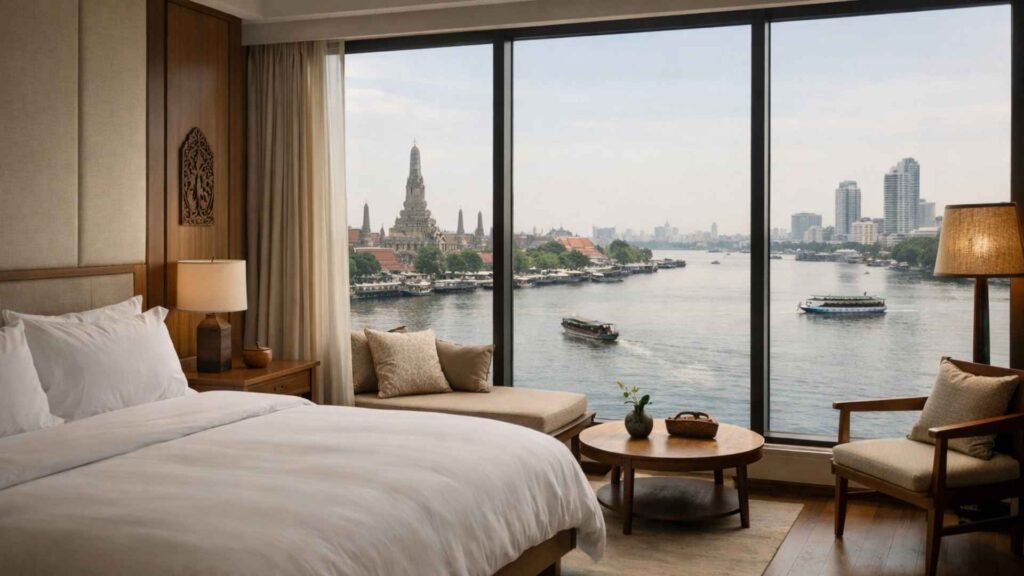
Choosing the right accommodation during Songkran Festival Bangkok can greatly shape your experience. With road closures, heavy crowds, and nonstop celebrations in certain districts, staying in a well-connected area—or intentionally opting for a calmer zone—makes the festival far more enjoyable.
Riverside (Chao Phraya Area):
Ideal for travelers seeking a calmer retreat after the festivities, with scenic views and easy river transport access. Areas around the river offer a peaceful balance during Songkran.
Silom Area:
Perfect for those who want to be at the heart of the action. Staying near Silom Road means stepping straight into one of Bangkok’s largest Songkran celebration zones.
Sukhumvit District:
A versatile option combining nightlife, dining, and excellent public transport. Neighborhoods along the BTS line provide flexibility without constant water battles outside your hotel.
Old Town (Rattanakosin):
Best suited for travelers interested in the spiritual side of Songkran. Proximity to temples and historic sites creates a quieter, more traditional atmosphere.
Booking Tip: Songkran is one of Bangkok’s busiest travel periods. Hotels often sell out weeks in advance, so early reservations are strongly recommended—especially if you want a specific location or room type.
Songkran vs Other Major Bangkok Festivals
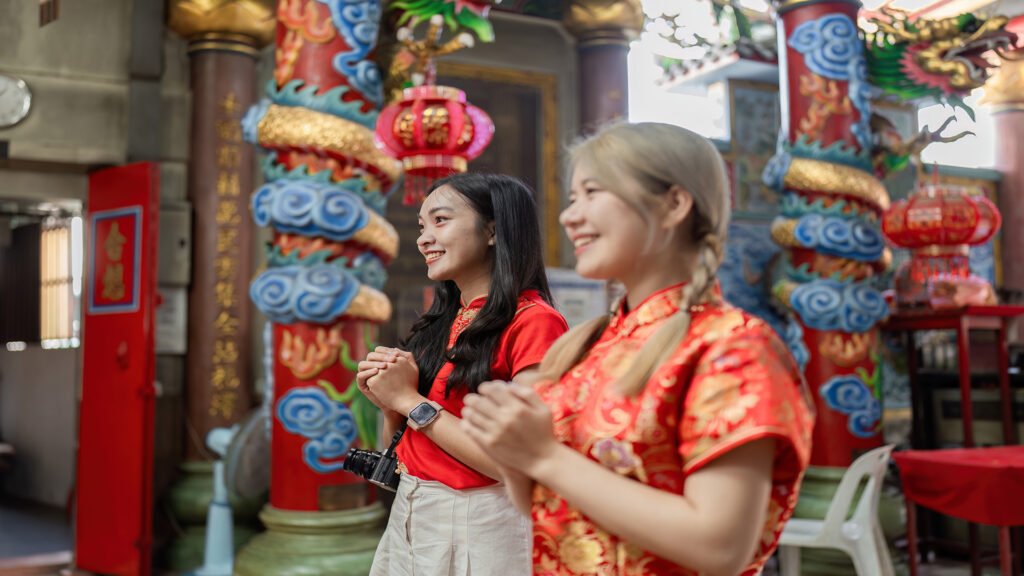
Bangkok hosts several major festivals throughout the year, but Songkran Festival Bangkok stands out for its scale, participation, and emotional energy. Each of these festivals reflects a different cultural rhythm in Bangkok, from joyful renewal to quiet reflection and community-centered traditions.
- Songkran Festival – Interactive, citywide celebrations centered on water, renewal, and collective joy.
- Loy Krathong Festival – Calm and reflective, focused on gratitude and floating candle-lit offerings.
- Chinese New Year – Localized yet vibrant celebrations highlighting Bangkok’s Chinese heritage, food, and performances.
Together, these festivals showcase Bangkok’s unique cultural rhythm—from joyful renewal to quiet reflection and deep-rooted traditions.
Songkran Festival Bangkok: Frequently Asked Questions
Planning a visit during the Songkran Festival Bangkok often raises practical questions about safety, timing, and daily life in the city. This FAQ section answers the most common concerns to help you prepare confidently and enjoy the festival respectfully.
Is Songkran Festival Bangkok safe for tourists?
Yes. Songkran is generally very safe for visitors. As long as basic safety tips and cultural etiquette are followed, tourists are warmly welcomed and often encouraged to join the celebrations.
Do businesses and attractions close during Songkran?
Some government offices and small local businesses may close during the official Songkran days. However, most hotels, restaurants, shopping malls, and tourist attractions in Bangkok remain open and operate normally.
Is Songkran suitable for first-time visitors to Bangkok?
Absolutely. Songkran is one of the most immersive ways to experience Thai culture. First-time visitors should simply plan accommodation carefully and expect crowds, road closures, and a festive atmosphere.
Will I get wet everywhere during Songkran Festival?
In major celebration areas, getting wet is almost guaranteed. However, quieter neighborhoods, temples, and indoor spaces offer breaks from constant water play.
Can I participate in Songkran if I don’t want to join water fights?
Yes. You can focus on temple visits, cultural rituals, and calmer districts. Wearing dry clothing and avoiding major celebration streets helps limit participation.
What should I wear during Songkran Festival Bangkok?
Lightweight, quick-drying clothes and comfortable footwear are ideal. Modest clothing is recommended when visiting temples or traditional areas.
Why You Should Experience Songkran Festival in Bangkok
The Songkran Festival Bangkok experience captures the city at its most expressive—joyful yet meaningful, energetic yet deeply respectful. It’s not simply an event to watch, but a moment to take part in, shared with millions who welcome renewal and fresh beginnings together.
Plan your Bangkok trip around Songkran, and you won’t just witness a festival—you’ll step into one of Southeast Asia’s most powerful and emotionally resonant cultural traditions.
🟣 Explore Bangkok Festivals:
Chinese New Year Festival in Bangkok: 👉 Read the complete festival guide
Loy Krathong Festival in Bangkok: 👉 Explore a Night of Light & Reflection
Discover Bangkok Beyond Cinema 👉 Festivals, Art & Cultural Experiences →
Bangkok New Year Countdown: 👉 Explore the Ultimate New Year’s Eve Celebration
Bangkok Festivals Guide: 👉 Explore All Major Cultural Events in the City