
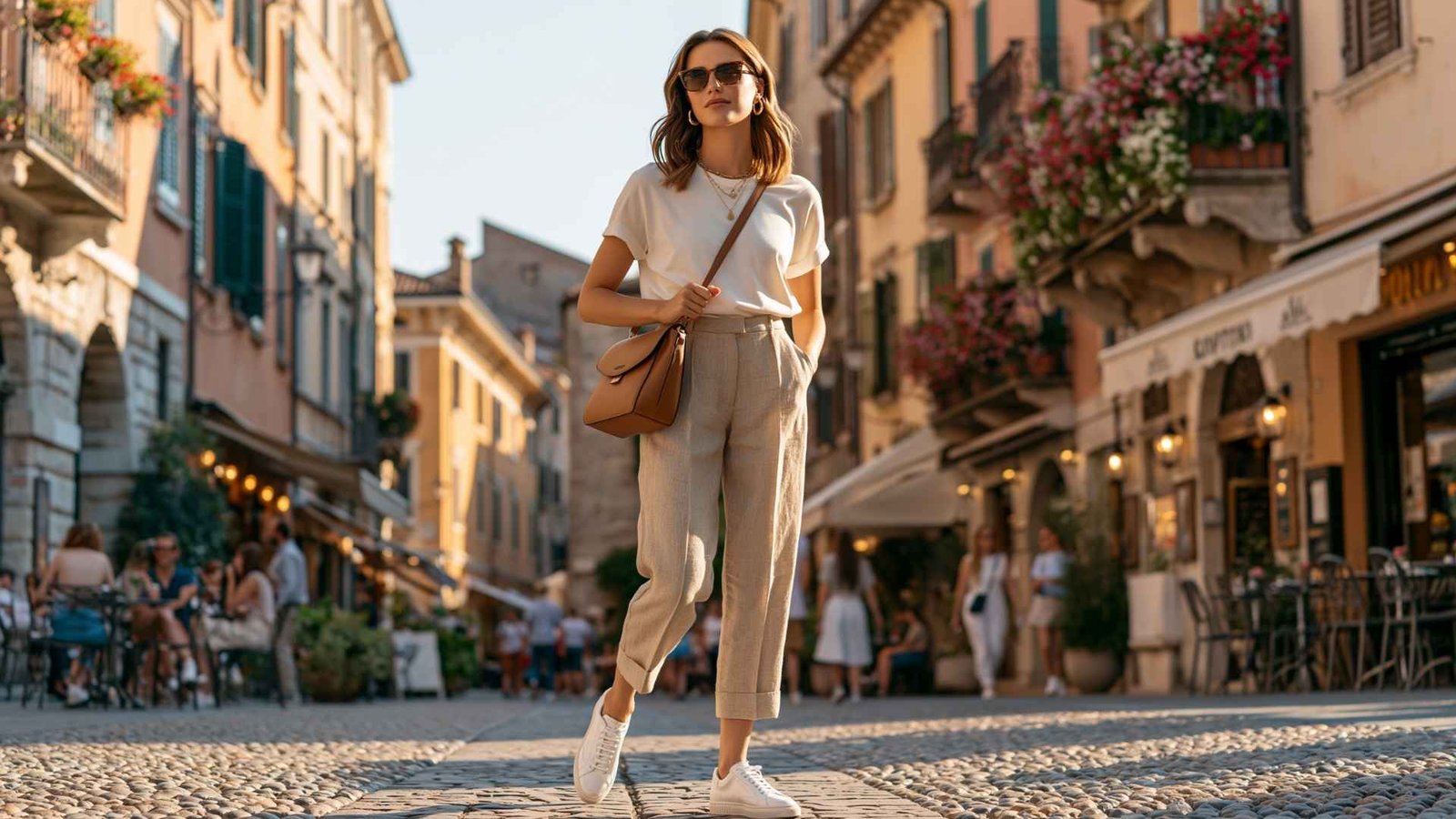
Europe is best explored on foot. Whether you’re wandering through Paris, exploring Rome’s historic streets, or island hopping in Greece, you’ll likely spend hours walking every day.
That’s why choosing the best shoes for Europe travel is one of the most important packing decisions you’ll make. The right footwear provides lasting comfort, better support on uneven streets, and helps you enjoy long sightseeing days without unnecessary foot fatigue.
This guide explains what to look for in travel shoes, the best options for different seasons and trip styles, and how many pairs you actually need.
Quick Answer
The best shoes for Europe travel are comfortable sneakers or walking shoes with good cushioning, reliable arch support, and durable soles. Most travelers only need a second pair, such as supportive sandals or waterproof shoes, depending on the season.
| Trip Type | Best Shoes |
|---|---|
| City Break | Comfortable sneakers |
| Multi-country trip | Walking shoes |
| Summer islands | Sneakers + supportive sandals |
| Rainy destinations | Waterproof walking shoes |
| Mountain trips | Hiking or trail shoes |
Why Good Shoes Matter for Europe Travel
Many first-time visitors assume Europe is easy to explore because its cities are compact. While that’s true, it also means you’ll spend much more time walking than you might on other vacations.
Historic districts often have narrow streets where cars have limited access, making walking the easiest way to get around. Add museums, train stations, public transportation, parks, viewpoints, and old town neighborhoods to your itinerary, and it’s easy to spend an entire day on your feet.
European streets can also be surprisingly demanding.
Instead of perfectly smooth sidewalks, you’ll encounter uneven cobblestones, stone staircases, steep hills, and centuries-old pavements that require more stability than modern city streets.
Even if you use trains, metros, and buses between attractions, you’ll still walk considerable distances every day.
Poor footwear doesn’t simply cause tired feet. It can contribute to blisters, sore knees, lower back discomfort, and overall fatigue that affects the rest of your trip. Many travelers remember the attractions they visited—but they also remember the pair of shoes they wished they hadn’t packed.
Choosing supportive footwear before your trip is one of the simplest ways to stay comfortable from your first sightseeing stop to your final evening walk.
What Makes the Best Shoes for Europe Travel?
Not every sneaker or casual shoe is suitable for spending an entire day exploring European cities.
The best travel shoes balance comfort, support, durability, and versatility without adding unnecessary weight to your luggage.
When comparing different options, look for the following features.
Comfortable Cushioning
Sightseeing usually means walking for several consecutive hours with very few opportunities to rest.
A well-cushioned midsole helps absorb impact throughout the day, reducing pressure on your feet and making long walks much more comfortable.
Soft cushioning is especially helpful on stone streets and hard sidewalks that offer little natural shock absorption.
Good Arch Support
Supportive shoes distribute weight more evenly across your feet and help reduce fatigue during long walking days.
If you already wear supportive footwear at home, your trip isn’t the time to switch to completely flat fashion shoes.
Lightweight Construction
Heavy shoes become noticeable after several hours of walking.
Lightweight footwear feels more comfortable when climbing stairs, carrying luggage through train stations, or navigating airports.
Choosing lighter shoes also helps reduce your overall packing weight.
Breathable Materials
Summer temperatures across Southern Europe regularly exceed 30°C (86°F), while sightseeing often means spending hours outdoors.
Breathable mesh or knit uppers improve airflow and help keep your feet cooler throughout the day.
Reliable Grip
Historic European cities are known for polished stone streets and cobblestones, which can become slippery after rain.
Shoes with durable rubber outsoles and dependable traction provide greater confidence on uneven surfaces.
Versatile Style
Your travel shoes should work with most of the clothes you’ve packed.
Neutral colors such as white, black, gray, beige, or navy pair easily with jeans, shorts, dresses, skirts, and lightweight trousers, allowing you to pack fewer shoes without sacrificing style.
Rather than bringing several specialized pairs, most travelers are better off choosing one versatile shoe that performs well in a wide range of situations.
Sneakers vs Walking Shoes vs Hiking Shoes
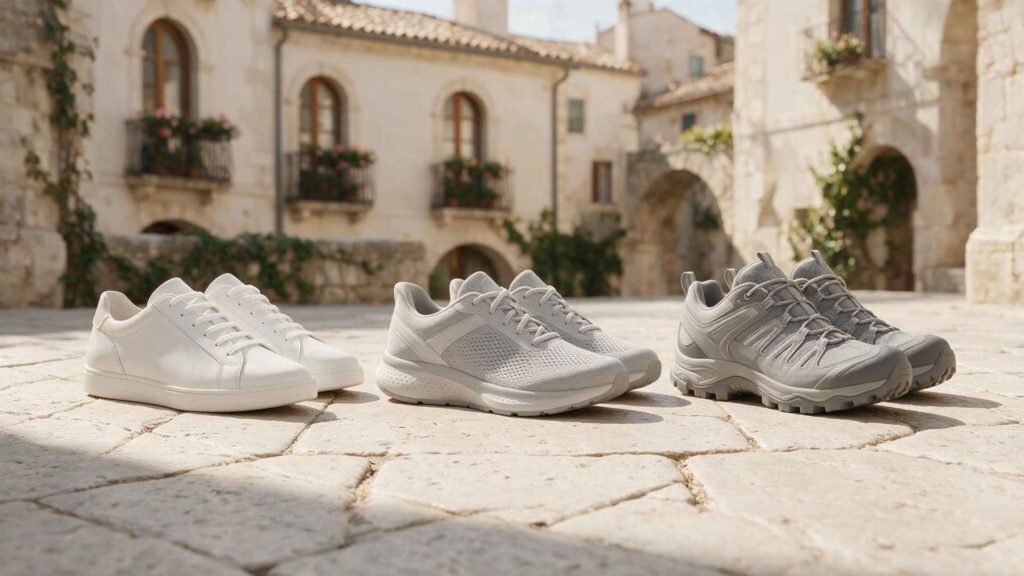
Many travelers aren’t sure whether regular sneakers are enough for Europe or if they should invest in walking shoes or hiking footwear.
The answer depends entirely on your itinerary.
| Shoe Type | Best For | Advantages | Considerations |
|---|---|---|---|
| Comfortable Sneakers | Most city trips | Stylish, lightweight, versatile | Less support than dedicated walking shoes |
| Walking Shoes | Long sightseeing days | Excellent cushioning and arch support | Usually more functional than fashionable |
| Hiking Shoes | Mountain trails and national parks | Maximum grip and durability | Too heavy for most city vacations |
For the majority of travelers, comfortable sneakers offer the best balance between style and practicality. They’re suitable for city breaks, museums, restaurants, public transportation, and casual evenings while remaining comfortable enough for daily sightseeing.
Walking shoes are an excellent alternative if your itinerary includes full days of exploring or if comfort is your highest priority. They typically provide better cushioning and support, making them ideal for travelers who plan to walk long distances every day.
Hiking shoes, however, are rarely necessary unless your trip specifically includes mountain trails, alpine hikes, or rugged outdoor activities. Their extra weight and bulk make them less practical for typical European city vacations.
Best Types of Shoes for Europe Travel
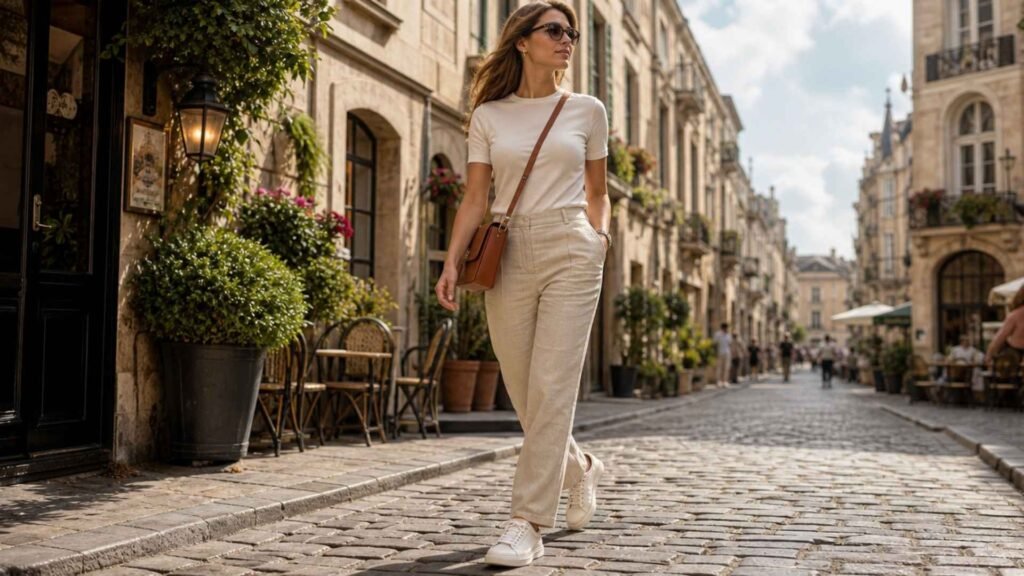
The ideal footwear depends on where you’re going, the season, and the activities you’ve planned. Most travelers only need two versatile pairs that complement each other rather than several specialized options.
Comfortable Sneakers
For most people, comfortable sneakers remain the best all-around choice.
They combine everyday style with enough comfort for long sightseeing days, making them suitable for nearly every major European destination.
A good pair of sneakers works well for:
- exploring historic city centers
- visiting museums
- shopping districts
- train travel
- casual restaurants
- evening walks
Modern lifestyle sneakers are often an excellent compromise between fashion and comfort, especially when they include supportive midsoles and durable rubber soles.
Walking Shoes
If your itinerary focuses on sightseeing from morning until evening, walking shoes deserve serious consideration.
Compared with casual sneakers, they generally offer:
- greater cushioning
- improved arch support
- enhanced stability
- reduced foot fatigue
They’re particularly suitable for travelers planning intensive city exploration or longer vacations where comfort becomes increasingly important.
Supportive Sandals
Supportive sandals can be an excellent second pair during warmer months.
They’re perfect for:
- Greek islands
- Mediterranean coastal towns
- beach destinations
- relaxed evenings
- short walks
Choose sandals with cushioned footbeds and adjustable straps rather than completely flat soles.
Flip-flops should be reserved for hotel pools, beaches, or spa visits—not full sightseeing days.
Waterproof Shoes
Rain can arrive unexpectedly, particularly during spring and autumn.
If you’re traveling to destinations where wet weather is common, water-resistant shoes can make sightseeing considerably more comfortable.
They’re especially useful for countries such as the United Kingdom, Ireland, the Netherlands, and parts of Northern Europe, where showers are more frequent throughout the year.
Casual Evening Shoes
Most travelers don’t need formal footwear in Europe.
However, if you plan to enjoy fine dining, concerts, or evenings out, a lightweight pair of loafers, flats, or other comfortable casual shoes can complement your daytime footwear without taking up much space in your luggage.
The key is versatility. Every pair you pack should earn its place by working in multiple situations instead of serving only a single purpose.
Best Shoes for Europe by Season
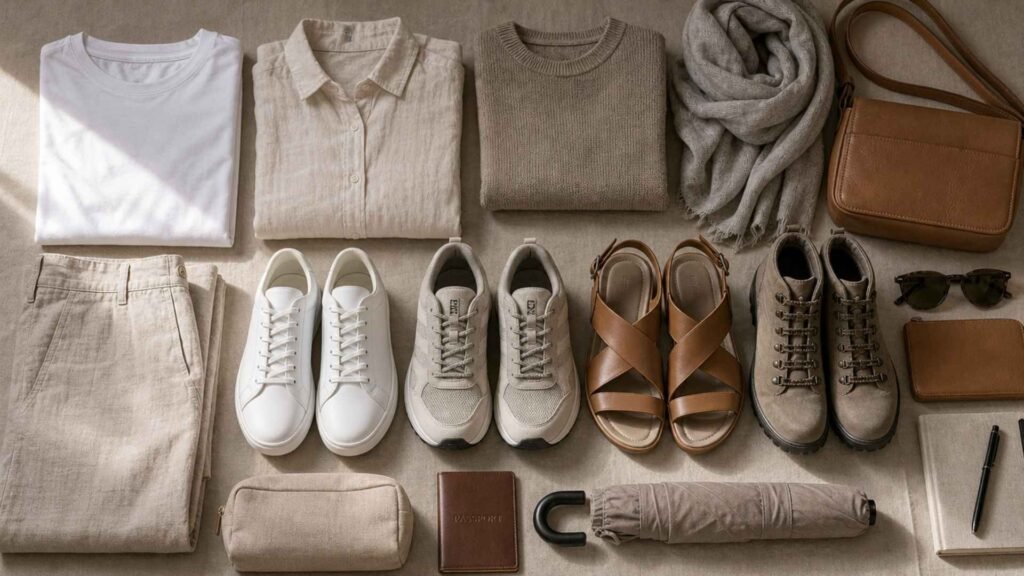
The best travel shoes aren’t always the same throughout the year. Weather conditions vary considerably across Europe, so choosing footwear that matches the season will help keep you comfortable throughout your trip.
Spring
Spring brings mild temperatures, blooming parks, and fewer crowds, but the weather can change quickly.
One day may be warm and sunny, while the next brings cool winds or afternoon showers.
For most spring trips, breathable sneakers or lightweight walking shoes are the best choice. If rain is in the forecast, consider water-resistant footwear with reliable grip for slippery streets and cobblestones.
A lightweight second pair, such as loafers or casual flats, works well for evenings without adding much weight to your luggage.
Summer
Summer is the busiest travel season in Europe, and it’s also when you’ll spend the most time outdoors.
Temperatures regularly exceed 30°C (86°F) in Southern Europe, making breathable footwear essential.
Comfortable sneakers remain the best option for long sightseeing days, while supportive sandals are perfect for beach destinations, coastal towns, and relaxed evenings.
Avoid shoes made from thick, non-breathable materials that trap heat, as they can become uncomfortable after several hours of walking.
Autumn
Early autumn often feels similar to summer, but temperatures gradually become cooler and rainfall becomes more frequent.
This is an excellent season for leather sneakers, walking shoes, or water-resistant footwear that can handle changing weather conditions.
If you’re traveling later in the season, pack socks that provide a little more warmth without making your shoes feel bulky.
Winter
Winter trips require footwear that balances warmth with comfort.
Unless you’re visiting snowy mountain destinations, heavy winter boots are usually unnecessary for city travel.
Instead, choose supportive waterproof shoes with good grip and enough insulation to keep your feet comfortable during long walks.
Slippery pavements and wet cobblestones make traction especially important throughout the colder months.
Best Shoes for Different Types of European Trips
The perfect pair of shoes also depends on the type of vacation you’re planning.
Someone spending five days exploring museums in Paris needs different footwear than someone hiking in the Alps or relaxing on a Greek island.
City Breaks
Cities such as Paris, Rome, Barcelona, Amsterdam, Prague, Vienna, and Budapest are best explored on foot.
Expect to spend hours walking between attractions, public transportation, cafés, museums, and historic neighborhoods.
For these trips, comfortable sneakers or supportive walking shoes are usually the smartest choice. They offer enough cushioning for long days while remaining versatile enough for casual restaurants and evening strolls.
Mediterranean Beach Holidays
Destinations such as the Greek Islands, the Amalfi Coast, Mallorca, Malta, and Croatia combine sightseeing with beaches and waterfront walks.
A simple two-shoe combination works well:
- comfortable sneakers for sightseeing
- supportive sandals for beaches and evenings
This approach keeps your luggage light while covering almost every situation.
Multi-Country Europe Trips
Many travelers visit several countries on a single vacation.
You might fly into Amsterdam, take trains through Germany, spend a few days in Switzerland, and finish your trip in Italy.
When you’re constantly moving between hotels, airports, and train stations, versatility becomes much more important than packing multiple pairs of shoes.
One comfortable pair for daily walking plus one secondary pair is usually all you need.
Mountain and Nature Trips
If your itinerary includes hiking in destinations such as the Swiss Alps, the Dolomites, or Norway’s national parks, regular sneakers may not provide enough grip or support.
Trail shoes or lightweight hiking shoes become worthwhile only when outdoor activities are a major part of your trip.
For travelers spending most of their time in cities, however, hiking shoes are often unnecessarily heavy.
How Many Pairs of Shoes Should You Pack?
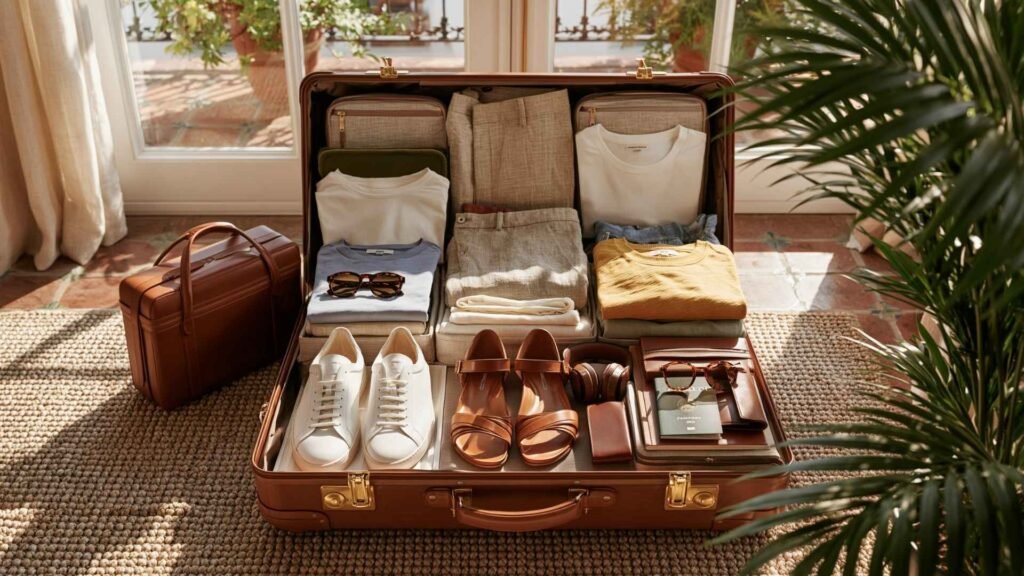
One of the biggest packing mistakes travelers make is bringing too many shoes.
Because shoes are bulky and relatively heavy, they quickly take up valuable luggage space.
For most European vacations, simplicity works surprisingly well.
Weekend Trip (2–4 Days)
One comfortable pair of sneakers is usually enough.
If you’re planning a special dinner or formal event, add one lightweight pair of casual shoes.
One-Week Vacation
Two pairs are ideal.
- One primary pair for walking and sightseeing.
- One secondary pair for evenings, beaches, or relaxing.
This combination covers almost every travel situation without overpacking.
Two Weeks or Longer
Even extended trips rarely require more than three pairs.
A practical combination includes:
- comfortable walking shoes or sneakers
- supportive sandals or casual shoes
- waterproof shoes if traveling during cooler or wetter months
Remember that you’ll probably wear one pair while traveling, meaning only one or two pairs need to fit inside your luggage.
If you’re trying to pack light, it’s better to bring fewer high-quality shoes than several pairs you’ll rarely wear.
A versatile pair that matches most of your outfits is far more useful than multiple shoes designed for only one occasion.
Lina’s Tip
If you’re only packing two pairs of shoes, wear the heavier pair while traveling and pack the lighter one in your suitcase. This saves valuable luggage space and keeps your carry-on lighter without limiting your outfit options.
Common Shoe Mistakes to Avoid
Even experienced travelers occasionally make footwear choices they regret.
Avoiding these common mistakes will help keep your feet comfortable throughout your trip.
Wearing Brand-New Shoes
Never let your vacation be the first time you wear a new pair of shoes.
Even shoes that feel comfortable in the store can cause blisters after several hours of walking.
Try wearing them for at least a couple of weeks before your departure so they have time to adapt to your feet.
Prioritizing Style Over Comfort
Fashion is important, especially in Europe, but comfort should always come first.
A stylish pair of shoes isn’t worth packing if it becomes uncomfortable halfway through your first sightseeing day.
Fortunately, many modern sneakers combine both comfort and clean, versatile designs.
Packing Too Many Shoes
It’s tempting to prepare for every possible situation, but most travelers end up wearing the same pair nearly every day.
Instead of filling your suitcase with extra footwear, choose two versatile pairs that work with most of your outfits.
Wearing Flip-Flops for Sightseeing
Flip-flops are ideal for pools, beaches, hotel rooms, and spa facilities.
They are not designed for walking 20,000 steps across uneven city streets.
For full sightseeing days, supportive sandals are a much better alternative.
Ignoring the Weather
A lightweight mesh sneaker may feel perfect in Greece during July, but it won’t offer much protection during a rainy week in Amsterdam or Edinburgh.
Always consider the climate of your destination before deciding what to pack.
Forgetting About Socks
Good socks make a noticeable difference.
Moisture-wicking materials help reduce friction, improve comfort, and lower the risk of blisters during long sightseeing days.
Many travelers focus entirely on shoes while overlooking one of the simplest ways to keep their feet comfortable.
Frequently Asked Questions
What are the best shoes for Europe travel?
The best shoes for Europe travel are comfortable sneakers or walking shoes that provide good cushioning, reliable arch support, and durable outsoles. Most travelers spend several hours walking each day, so comfort should always take priority over appearance.
Are sneakers good enough for Europe?
Yes. For most city trips, a comfortable pair of sneakers is all you’ll need. They’re suitable for sightseeing, museums, public transportation, shopping, and casual restaurants while pairing easily with a wide range of outfits.
Should I bring walking shoes or regular sneakers?
It depends on your itinerary.
If you’re planning long sightseeing days or frequently experience foot discomfort, dedicated walking shoes offer more cushioning and support. For shorter city breaks or travelers who prefer a more versatile look, quality sneakers are usually the better choice.
How many pairs of shoes should I pack for Europe?
Two pairs are enough for most vacations.
A primary pair for daily sightseeing and a second pair for evenings, beaches, or changing weather covers nearly every situation without taking up unnecessary luggage space.
Are sandals suitable for walking around Europe?
Supportive walking sandals are an excellent option during summer, especially in Mediterranean destinations such as Greece, southern Italy, Croatia, and Spain.
However, completely flat flip-flops are not recommended for full days of sightseeing because they provide very little support.
Do I need waterproof shoes for Europe?
Not always.
If you’re visiting Northern Europe or traveling during spring, autumn, or winter, waterproof shoes can be extremely useful.
For summer trips to warmer destinations, breathable sneakers are generally the better option.
Should I buy new shoes before my trip?
Only if you have enough time to break them in.
Wear new shoes several times before your departure to make sure they fit comfortably and don’t cause blisters. Starting your vacation in brand-new footwear is one of the most common travel mistakes.
Final Thoughts
Choosing the best shoes for Europe travel doesn’t have to be complicated. Prioritize comfort, support, and versatility over trends, and pack only the pairs you’ll actually wear. The right shoes will keep you comfortable through long sightseeing days, allowing you to spend less time thinking about your feet and more time enjoying your trip.
Continue Planning Your Europe Trip
Complete your packing list with these helpful travel and style guides.
→ How to Pack Light for 7 Days
→ Capsule Wardrobe for City Trips: How to Pack Light and Look Effortless
→ Effortless Airport Style: Dressing Calmly for Travel Days