
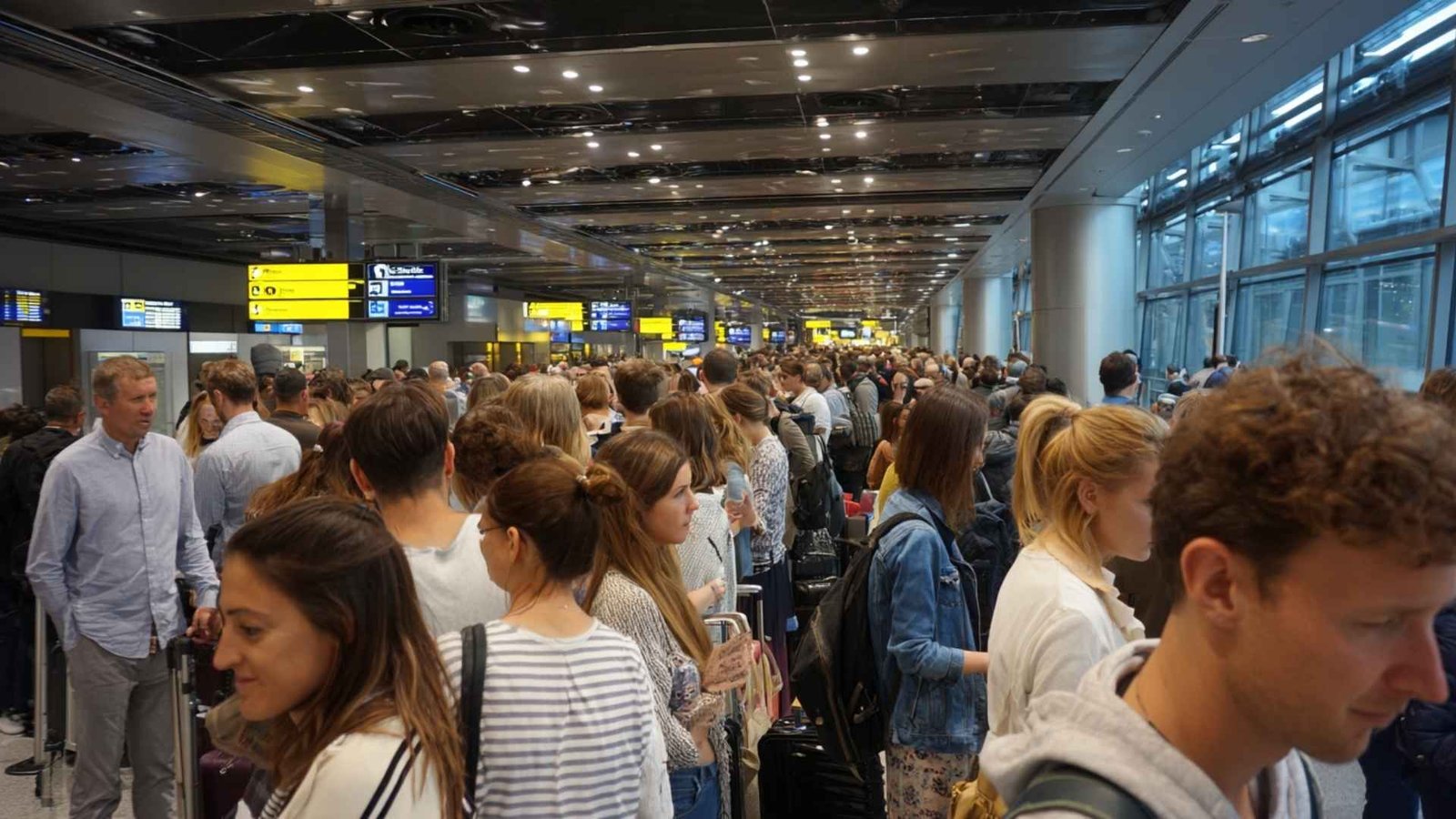
Self-transfer flights have become increasingly popular as travelers search for cheaper international routes and flexible airline combinations.
What many travelers discover too late, however, is that a cheap connection on paper can quickly turn into a stressful airport experience in reality.
Separate tickets, baggage collection, immigration procedures, and overnight layovers can all completely change how international transit works during a self-transfer journey.
Understanding these risks before booking can help travelers avoid missed connections, visa problems, and unexpected airport complications in 2026.
Quick Answer: How Self-Transfer Flights Really Work
A self-transfer flight is a journey booked on separate tickets instead of one protected airline reservation.
Unlike standard airline connections, passengers are usually responsible for collecting baggage, clearing immigration, and managing the next flight independently.
If delays happen, airlines may not provide rebooking or connection protection.
Self-transfer flights may require travelers to:
- collect checked baggage
- pass through immigration
- re-check luggage
- clear security again
- change terminals independently
- manage delays without airline protection
These separate-ticket itineraries can become especially complicated during overnight layovers, airport changes, or international transit through Europe and the UK.
What Is a Self-Transfer Flight?

A self-transfer flight is a journey where flight segments are booked separately rather than under one airline reservation.
For example:
- Istanbul → Frankfurt booked with one airline
- Frankfurt → New York booked separately with another airline
Even if booking platforms display the flights together, the tickets may still operate independently.
Unlike protected airline connections, self-transfer itineraries often make passengers responsible for:
- baggage collection
- immigration procedures
- terminal transfers
- new check-in processes
- missed connection risks
Some booking platforms also refer to these separate-ticket itineraries as “virtual interlining.”
Self-Transfer vs Protected Connection
This is one of the biggest differences travelers misunderstand.
Protected Airline Connection
With a protected connection:
- flights are issued under one ticket
- baggage is often transferred automatically
- airlines coordinate delays and rebooking
- passengers usually remain inside official transit procedures
If the first flight is delayed, the airline normally helps rebook the next segment.
Self-Transfer Flight
With a self-transfer flight:
- tickets are separate
- airlines may not cooperate
- baggage may require manual collection
- passengers may need to enter the country formally
- missed flights are usually the traveler’s responsibility
This is why independent airline connections involve higher operational risk than traditional airline itineraries.
Why Self-Transfer Flights Are Cheaper
Many travelers choose self-transfer flights because prices can sometimes be significantly lower than traditional airline itineraries.
In some cases, separate-ticket routes may cost hundreds less than protected airline connections on the same journey.
This usually happens because:
- low-cost airlines avoid alliance partnerships
- booking platforms combine unrelated flights
- airlines reduce connection liability
- separate tickets create more route flexibility
However, lower prices often shift more responsibility to the traveler.
Do You Need to Collect Baggage During a Self-Transfer?

In many cases, yes.
This is one of the most important self-transfer flight rules travelers should understand before booking.
When airlines do not transfer checked baggage automatically, passengers usually need to:
- enter the country formally
- collect baggage from baggage claim
- pass customs if necessary
- re-check luggage with the next airline
- clear security again
This process can completely change transit requirements.
A traveler expecting to remain airside may suddenly require:
- Schengen entry permission
- a transit visa
- UK entry clearance
- additional immigration checks
Separate-ticket connections can also trigger formal immigration procedures when:
- terminals are not internally connected
- airlines require landside check-in
- overnight airport closures occur
- separate airports are involved
Once landside transit begins, travelers are normally subject to full immigration and entry rules.
This is why baggage and transit rules matter so much during self-transfer journeys.
Are Self-Transfer Flights Easier With Carry-On Only?

In many situations, yes.
Traveling with carry-on baggage only can simplify independent flight connections significantly because passengers may avoid:
- baggage claim
- customs processing
- luggage re-check procedures
- some immigration complications
However, even without checked baggage, some airports may still require travelers to leave the secure transit area depending on:
- terminal layouts
- airport policies
- airline procedures
- nationality and visa requirements
Schengen Self-Transfer Problems
Self-transfer flights through Europe can become especially complicated for non-EU travelers.
Schengen transit requirements may change depending on:
- nationality
- airport structure
- baggage handling procedures
- overnight layovers
- terminal connections
- separate ticket arrangements
For example:
A traveler flying:
- Istanbul → Frankfurt
- Frankfurt → Toronto
may assume Germany is only a transit point.
However, if baggage collection becomes necessary during the self-transfer process, formal Schengen entry may also become necessary.
In some situations, travelers may still remain airside without formally entering the Schengen Area if baggage transfer and terminal access allow it. However, this should never be assumed automatically during separate-ticket transit.
👉 You can also read: Germany Airport Transit Visa for Turkish Citizens (2026)
Overnight Self-Transfer Risks

Overnight self-transfer flights carry additional risks many travelers underestimate.
Some airports:
- close transit zones overnight
- limit airside access after certain hours
- require passengers to leave secure areas
- restrict overnight terminal stays
In these situations, travelers may suddenly require:
- hotel access
- immigration clearance
- a transit visa
- temporary Schengen entry
This is one of the biggest reasons overnight self-transfer flights require careful planning.
Missed Self-Transfer Flights: Who Is Responsible?
With protected airline itineraries, airlines normally assist passengers after delays.
With self-transfer flights, responsibility is usually different.
If the first flight is delayed and the second flight is missed:
- the next airline may treat the ticket as a no-show
- rebooking may require purchasing a new ticket
- baggage delays may create further problems
- immigration queues may increase connection risk
Some booking platforms now offer third-party “connection guarantees” for self-transfer itineraries.
However, these protections are usually different from official airline responsibility and may still involve delays, rebooking complications, or customer support issues.
How Much Time Do You Need for a Self-Transfer Flight?
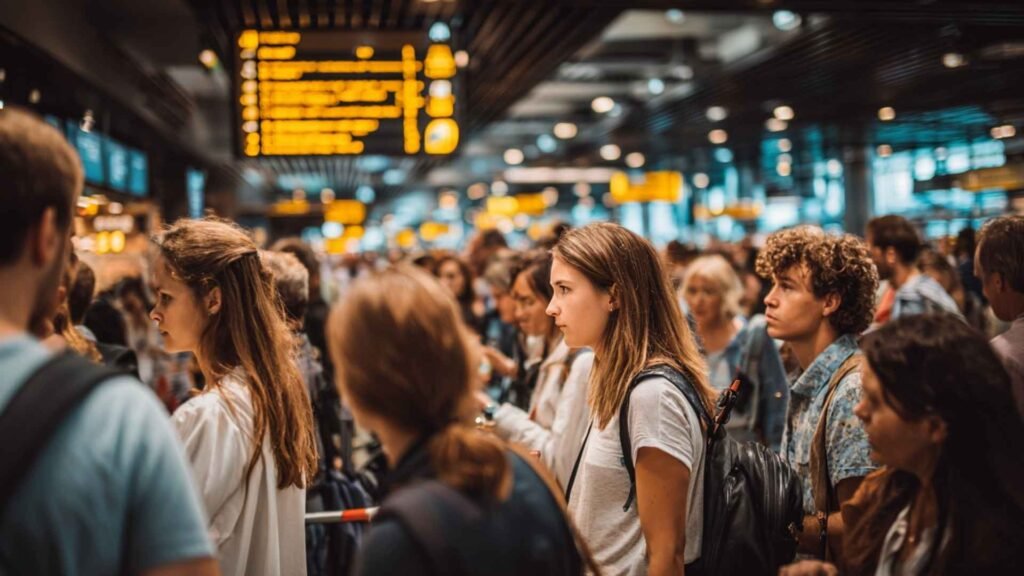
There is no universal answer because every airport operates differently.
However, self-transfer flights usually require significantly more time than protected airline connections.
Many experienced travelers prefer:
- at least 4–6 hours for international self-transfer flights
- longer buffers when checked baggage is involved
- overnight protection for separate-airport transfers
- additional time during peak summer travel periods
Large airports such as Frankfurt, Heathrow, Paris CDG, and Amsterdam Schiphol may experience long immigration and security queues during busy hours.
Since the rollout of Europe’s EES biometric border system, first-time biometric registration may also increase border processing times for some non-EU travelers.
This is why extremely short self-transfer connections can become risky.
👉 You can also read: ETIAS & EES Explained (2026)
Best Airports for Self-Transfer Flights
Some airports are much easier for self-transfer connections than others.
Airports with efficient immigration systems, strong internal transport, and clear terminal layouts usually create fewer transit problems.
Amsterdam Schiphol and Singapore Changi are often considered easier for self-transfer flights because of their simpler transit layouts and more efficient connection systems.
More challenging airports may include:
- London Heathrow
- Paris Charles de Gaulle
- Frankfurt Airport during peak periods
Airport difficulty can still vary depending on:
- terminals
- baggage procedures
- overnight restrictions
- nationality and visa requirements
Real Self-Transfer Flight Scenarios

Scenario 1: Separate Tickets With Airside Transit
A traveler books:
- Dubai → Frankfurt
- Frankfurt → New York
In some limited situations, partner airlines may still agree to transfer baggage between separate tickets.
However, this should never be assumed automatically during a self-transfer journey.
If baggage transfers successfully and terminal access remains airside, the connection process may become significantly easier.
Scenario 2: Separate Tickets With Baggage Re-Check
A traveler books:
- Istanbul → London
- London → Toronto
The second airline requires separate check-in.
The traveler must:
- enter the UK
- collect baggage
- re-check luggage
- clear security again
Some nationalities may also require a UK Direct Airside Transit Visa (DATV) even without formally entering the UK.
This may trigger UK transit or entry requirements.
👉 You can also read: Transit Visa Explained (2026)
Scenario 3: Overnight Self-Transfer
A traveler lands late at night and the transit area closes overnight.
The passenger must temporarily enter the country before the next flight.
This can create unexpected visa problems even during short layovers.
Common Self-Transfer Flight Mistakes
Many self-transfer flight problems happen because travelers expect separate-ticket itineraries to work like normal airline connections.
Understanding the most common mistakes early can help avoid missed flights, unexpected immigration problems, and stressful airport transfers.
Booking Extremely Short Layovers
Many travelers incorrectly treat self-transfer flights like normal airline connections.
Immigration queues, baggage delays, terminal changes, and security screening can all increase connection times significantly during international transit.
Allowing extra buffer time is usually one of the safest ways to reduce missed connection risk.
Ignoring Baggage Rules
Some passengers assume baggage transfers automatically between airlines even on separate tickets.
However, many self-transfer itineraries require travelers to collect and re-check luggage manually, which may also trigger immigration procedures.
Assuming Transit Means No Immigration
Staying inside the airport is not always guaranteed during self-transfer journeys.
Certain airports, terminal layouts, or airline procedures may require travelers to formally enter the country before the next flight.
Forgetting Overnight Restrictions
Some transit zones close overnight or limit airside access after certain hours.
Travelers who overlook this may suddenly require hotel access, immigration clearance, or additional transit documents.
Mixing Separate Airports
Cities such as London, Paris, and Milan operate multiple international airports.
Transferring between airports may require significantly more time, additional transport planning, and formal immigration entry.
Should You Book a Self-Transfer Flight?

Self-transfer flights can work very well for:
- experienced travelers
- flexible itineraries
- long layovers
- carry-on-only trips
- travelers comfortable with airport procedures
However, they may become risky for:
- tight international connections
- first-time travelers
- overnight transfers
- visa-sensitive routes
- checked baggage itineraries
If you fall into both categories, prioritizing longer layovers and verifying baggage transfer rules directly with the airlines is usually the safest approach.
How to Reduce Self-Transfer Risks
Travelers can reduce self-transfer problems significantly with proper preparation.
Helpful steps include:
- checking baggage transfer policies directly with airlines
- confirming whether the itinerary remains fully airside
- avoiding very short layovers
- researching overnight airport rules
- verifying transit and visa requirements early
- allowing additional time during busy travel seasons
Travelers can also verify airline transit and entry requirements through the official IATA Travel Centre before booking international self-transfer flights.
Preparation matters far more during self-transfer flights than standard airline connections.
Frequently Asked Questions About Self-Transfer Flights
Is it safe to book self-transfer flights?
Yes. Many travelers use self-transfer flights successfully every day. However, they usually involve more personal responsibility and higher connection risk than protected airline itineraries.
Do I need to collect my bags on a self-transfer flight?
In many cases, yes. Separate-ticket itineraries often require passengers to collect and re-check baggage manually between flights.
Can I stay airside during a self-transfer?
Sometimes. This depends on baggage rules, airport structure, terminal access, airline procedures, and immigration requirements.
What happens if I miss a self-transfer flight?
In most situations, airlines are not responsible for missed separate-ticket connections. Travelers may need to purchase a new ticket independently.
Are overnight self-transfer flights risky?
They can be. Some airports close transit areas overnight or require passengers to leave secure zones temporarily.
Do self-transfer flights require a visa?
Sometimes. If formal entry into the transit country becomes necessary, normal immigration and visa rules may apply.
Final Thoughts
Self-transfer flights can save money, but they also create additional responsibility during international travel.
Baggage rules, immigration procedures, terminal transfers, and overnight transit restrictions can all affect how a connection works in practice.
Carefully checking baggage policies, transit requirements, and layover times before booking can make international self-transfer journeys significantly smoother and far less stressful.