
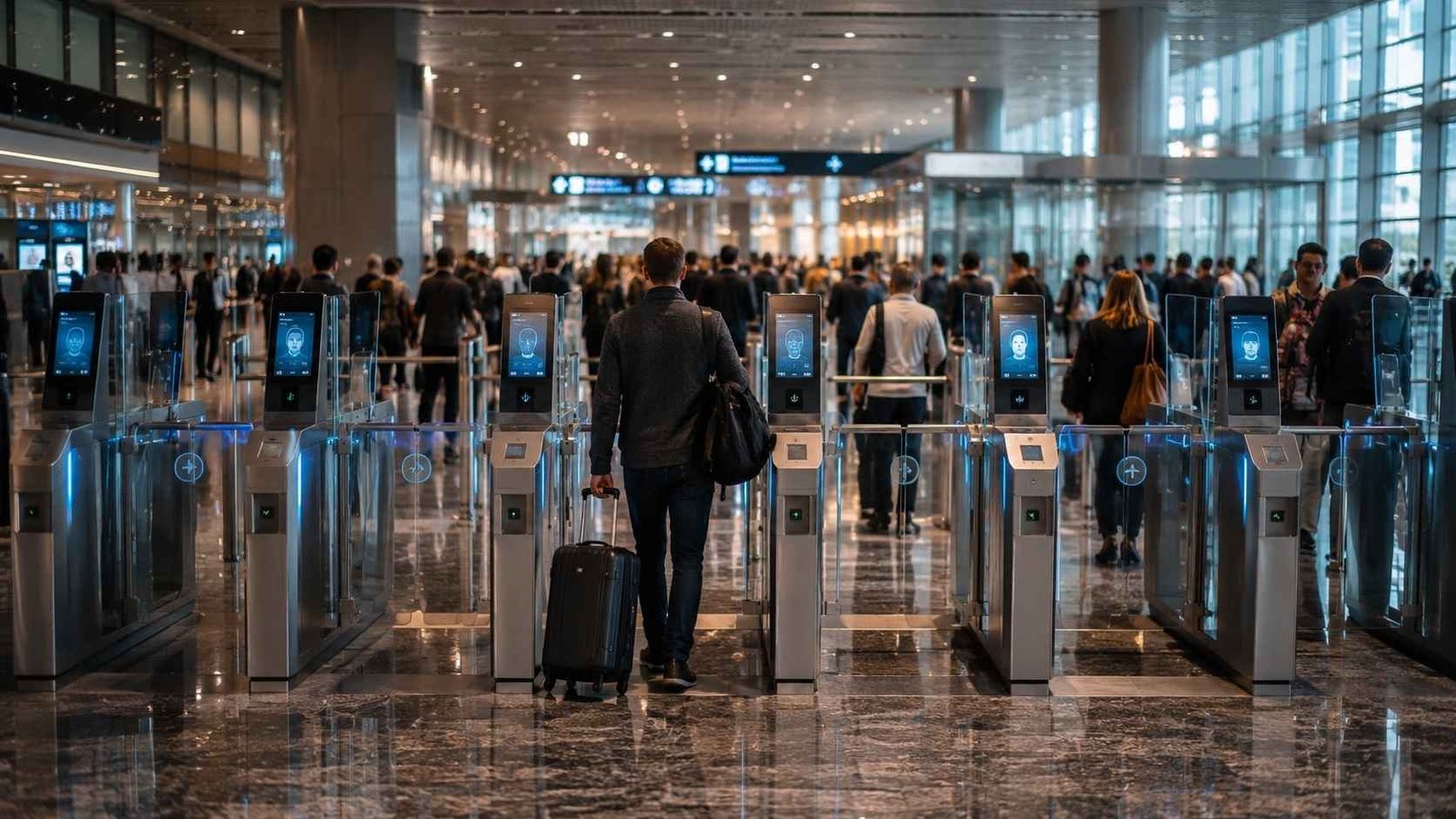
Europe’s new border systems are now reshaping how millions of travelers enter the Schengen Area in 2026.
But many travelers still confuse EES and ETIAS — often assuming they are the same system, a new visa, or a replacement for traditional passport control.
In reality, EES and ETIAS serve completely different purposes, and understanding the difference between EES and ETIAS can make traveling to Europe much easier to navigate.
Quick Answer: EES vs ETIAS
EES and ETIAS are two separate European travel systems designed for non-EU travelers entering the Schengen Area.
EES (Entry/Exit System) is a biometric border control system that digitally records entries and exits at the border.
ETIAS (European Travel Information and Authorization System) is a pre-travel authorization required for eligible visa-free travelers before departure.
In simple terms:
- ETIAS happens before travel
- EES happens at the border
Many travelers visiting Europe in 2026 may interact with both systems during the same trip.
Why Travelers Confuse EES and ETIAS

The confusion usually happens because both systems are connected to Schengen travel and European border modernization.
Many travelers assume:
- ETIAS is a Schengen visa
- EES replaces passport control
- EES and ETIAS are identical systems
- biometric registration automatically guarantees entry
None of these assumptions are fully correct.
Although EES and ETIAS work together within Europe’s updated border infrastructure, they were designed for very different purposes.
What Is EES?
The Entry/Exit System (EES) is the European Union’s digital border management system for non-EU travelers entering and leaving the Schengen Area.
As of April 2026, EES is now operational across participating Schengen countries and has replaced traditional passport stamping for many non-EU travelers.
Instead of relying mainly on physical passport stamps, EES electronically records:
- entry dates
- exit dates
- overstays
- refused entries
- biometric information
This biometric registration may include:
- fingerprint scans
- facial image collection
- passport information
The main purpose of EES is to modernize border security while improving overstay monitoring across Europe.
Additional EES updates and border information are also available through official European Union sources.
What Is ETIAS?
ETIAS stands for the European Travel Information and Authorization System.
It is an online travel authorization system for eligible visa-free travelers visiting Europe.
ETIAS works similarly to systems such as:
- ESTA (United States)
- ETA (United Kingdom)
However, ETIAS is not a traditional visa.
Travelers complete an online application before departure, and the authorization becomes digitally linked to the passport used during the application.
Airlines will be required to verify ETIAS authorization before boarding eligible travelers once the system becomes operational.
Travelers should always use official European Union sources for ETIAS information, updates, and future applications.
EES vs ETIAS: The Main Difference
| EES | ETIAS |
|---|---|
| Border control system | Travel authorization system |
| Used at the border | Used before travel |
| Records entries and exits | Screens travelers before departure |
| Uses biometric registration | Uses online applications |
| Tracks overstays | Grants travel authorization |
| Registration happens at the border | Requires pre-travel approval |
The easiest way to understand the difference between EES and ETIAS is this:
ETIAS checks whether you can travel, while EES records your movement after arrival.
How EES Works at European Airports

For many travelers entering Europe in 2026, airport arrivals may look slightly different than before.
Instead of only receiving a passport stamp, travelers may encounter:
- automated passport gates
- self-service kiosks
- fingerprint scanners
- facial recognition cameras
During first-time registration, biometric information may need to be collected manually by border authorities.
This means some airports may experience longer immigration queues in the short term — especially during busy travel periods and at major European hubs.
Over time, however, EES is designed to make border crossings faster for travelers already registered inside the system.
Travel to Europe App: Optional Pre-Registration
The European Union has also introduced the optional “Travel to Europe” mobile application connected to EES.
The app allows travelers to pre-register certain passport information and facial image data before arriving at the border, in some cases up to 72 hours before travel.
This may help reduce processing times at selected participating border points, although final checks are still completed by border authorities after arrival.
How ETIAS Works Before Travel

Before boarding a flight to Europe, eligible travelers will generally need to:
- Complete the ETIAS application online
- Enter passport details
- Answer security questions
- Pay the ETIAS application fee
- Receive travel authorization approval
For example, a traveler flying from the United Kingdom to Spain may complete the application several days before departure and receive authorization electronically before check-in.
The ETIAS authorization becomes digitally linked to the traveler’s passport.
How Much Does ETIAS Cost?
As of 2026, the official ETIAS application fee is set at €20 for most adult travelers.
Travelers under 18 and over 70 are generally exempt from the fee.
How Long Is ETIAS Valid?
ETIAS authorization is expected to remain valid for up to 3 years or until the linked passport expires — whichever comes first.
During this validity period, travelers may typically enter participating European countries multiple times, provided they continue following Schengen stay limits.
How Long Does ETIAS Approval Take?
Many ETIAS applications are expected to be approved within minutes.
However, applications requiring additional review may sometimes take several days or longer.
Because of this, travelers should avoid leaving ETIAS applications until the final days before departure.
Is ETIAS Mandatory in 2026?
As of mid-2026, ETIAS has not yet become fully mandatory for most travelers.
ETIAS is expected to launch in Q4 2026. A transitional period will follow, meaning full enforcement is unlikely before mid-2027.
Will Travelers Need Both EES and ETIAS?
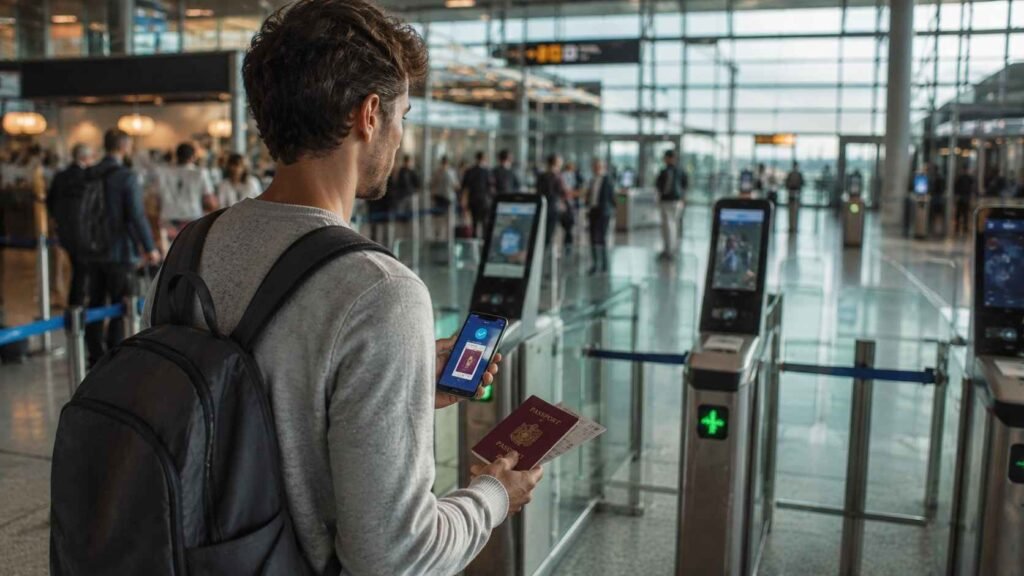
In many cases, yes.
Visa-free travelers entering Europe may interact with both systems during the same journey.
For example:
- ETIAS may be checked before boarding
- EES registration happens after arrival at the border
Travelers who already require a Schengen visa generally do not apply separately for ETIAS, but they may still be processed through EES biometric registration.
Does EES Apply to Schengen Visa Holders?
Yes.
One common misunderstanding about EES vs ETIAS is that EES only affects visa-free travelers.
In reality, many Schengen visa holders may also be registered inside the EES system when entering or leaving the Schengen Area.
Instead of receiving traditional passport stamps, entry and exit information becomes digitally recorded through biometric border registration.
Important Note for Turkish Travelers
Turkish citizens currently require a Schengen visa for most short-term travel to Europe.
Because of this, Turkish travelers generally do not apply separately for ETIAS authorization.
However, Turkish citizens may still encounter EES biometric registration procedures when entering participating Schengen countries.
Instead of receiving traditional passport stamps, entry and exit records may now be stored digitally through the EES system.
Who Needs ETIAS in 2026?
ETIAS mainly affects travelers who currently enter the Schengen Area without a visa.
This may include visitors from countries such as:
- United Kingdom
- United States
- Canada
- Australia
- Japan
- South Korea
Travelers who already require a Schengen visa usually continue following the traditional visa process instead of ETIAS authorization.
Does EES Apply to Everyone?
No. EES mainly applies to non-EU travelers visiting the Schengen Area for short stays.
This includes:
- visa-free travelers
- Schengen visa holders
- tourists
- short-term business travelers
EU citizens typically use separate border channels and are not subject to EES biometric registration in the same way as non-EU travelers.
Countries Using EES and ETIAS
EES and ETIAS are mainly connected to participating Schengen countries.
However, not every European country participates in the systems in exactly the same way.
For example:
- Ireland is not part of the Schengen Area
- Cyprus follows different border arrangements
- The United Kingdom is not part of Schengen
Because of this, passport control procedures may still differ depending on the destination country.
Does ETIAS Replace a Schengen Visa?
No. One of the biggest misunderstandings about EES vs ETIAS is the belief that ETIAS replaces a Schengen visa.
It does not.
If your nationality already requires a Schengen visa, you must still complete the normal visa application process.
ETIAS only applies to eligible visa-free travelers.
What Happens If ETIAS Is Denied?
If an ETIAS application is denied, travelers are generally expected to receive information explaining the reason for the refusal.
In some situations, travelers may also have the right to appeal the decision through the country responsible for processing the application.
Because of this, travelers should always ensure:
- passport information is correct
- travel documents remain valid
- application details are accurate
How EES Connects to the Schengen 90/180 Rule
One major reason the EES vs ETIAS system matters for travelers is automatic overstay monitoring.
The system digitally calculates how long non-EU travelers remain inside the Schengen Area.
This makes enforcement of the Schengen 90/180 rule significantly more accurate compared to traditional passport stamp systems.
👉 You can also read: Schengen 90/180 Rule Explained (2026)
Will European Border Checks Become Faster or Slower?

In the short term, some airports may experience longer immigration queues during first-time biometric registration.
Over time, however, EES is designed to make border crossings faster for travelers already registered inside the system.
Important Warning About Fake ETIAS Websites
As interest in ETIAS grows, unofficial third-party and scam websites are also becoming more common online.
Travelers should only use official European Union websites for ETIAS information and future applications.
Official EU information sources:
- europa.eu
- travel-europe.europa.eu
Common Misunderstandings About EES vs ETIAS
“ETIAS is a visa”
No. ETIAS is a travel authorization system, not a traditional Schengen visa.
“EES replaces border officers”
No. Border officers still conduct security and identity checks when necessary.
EES mainly digitizes entry and exit records.
“Once ETIAS is approved, entry is guaranteed”
No. Final entry decisions are still made by border authorities after arrival.
EES vs ETIAS: Did Both Systems Start at the Same Time?
No. EES is already operational across participating Schengen countries, while ETIAS is expected to launch later following transitional implementation phases before becoming fully mandatory.
Important Things Travelers Should Know Before Visiting Europe
Before traveling to Europe in 2026, travelers trying to understand EES vs ETIAS should carefully verify:
- passport validity requirements
- ETIAS eligibility
- Schengen stay limits
- airport transit requirements
- biometric registration procedures
- airline documentation policies
As Europe continues moving toward digital border systems, preparing before departure becomes increasingly important.
FAQ: EES vs ETIAS
Is ETIAS active in 2026?
As of mid-2026, ETIAS has not yet become fully mandatory for most travelers.
ETIAS is expected to launch in Q4 2026. A transitional period will follow, meaning full enforcement is unlikely before mid-2027.
Do UK citizens need ETIAS?
UK travelers visiting the Schengen Area visa-free are expected to require ETIAS authorization once the system becomes fully operational.
Will fingerprints be taken at the border?
Under EES, many non-EU travelers may provide fingerprint scans and facial biometric data during border registration.
Does ETIAS guarantee entry into Europe?
No. ETIAS approval does not guarantee entry. Border authorities still make final admission decisions after arrival.
Is ETIAS required for airport transit?
Transit rules may vary depending on nationality, airport, and travel route. Some travelers may still require additional transit authorization or visas.
Can you enter Europe multiple times with ETIAS?
In most cases, yes.
ETIAS authorization is expected to allow multiple entries during its validity period, provided travelers continue following Schengen stay rules.
Continue Planning Your Europe Trip
You can also explore these related Europe travel guides:
- Schengen 90/180 Rule Explained (2026)
- Spain Entry Requirements (2026)
- Germany Airport Transit Visa (2026)
- Schengen Airport Transit Visa Explained
- UK ETA Guide (2026)
Final Thoughts
Understanding EES vs ETIAS is becoming increasingly important for travelers visiting Europe in 2026.
Although the two systems are connected to the Schengen Area, they serve very different functions.
ETIAS focuses on travel authorization before departure, while EES focuses on biometric border monitoring after arrival.
For many travelers, understanding how EES and ETIAS work together can help reduce confusion, avoid airport problems, and make traveling across Europe smoother overall.