
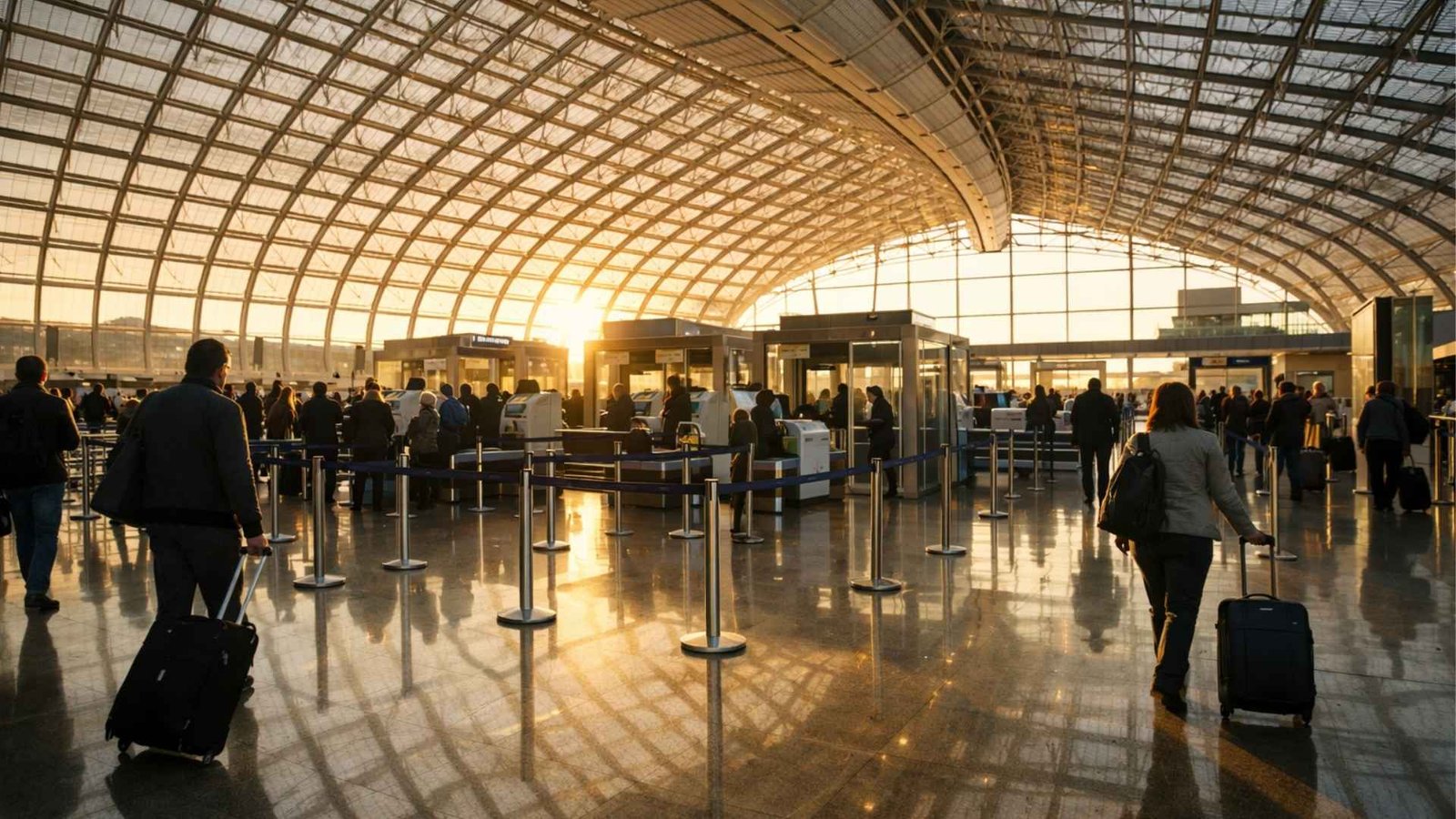
Flying through Paris can feel seamless — or overwhelming. At peak hours, long security and immigration queues at Charles de Gaulle Airport (CDG) and Paris Orly Airport (Orly) can quickly add stress to your departure or connection.
That’s where Paris Airport Fast Track comes in.
At Charles de Gaulle (CDG) in particular, priority access can make the biggest difference during peak international departure waves, especially for non-EU long-haul travelers.
But is it really worth it in 2026? And how do you actually book it?
When Is Paris Airport Fast Track Worth It?
Paris Airport Fast Track is most valuable when long queues are likely and your time flexibility is limited.
It is usually worth it if:
- Peak season (July–August) + Terminal 2E + <90-minute connection
- Non-EU passport without PARAFE eligibility
- Early morning departures (6:00–10:00 AM)
- Traveling with elderly passengers or small children
- Tight international transfer
It may not be necessary if:
- Eligible for PARAFE biometric gates
- Traveling midweek during low season
- Departing from Terminal 2F (Schengen flights)
- You already have SkyPriority through airline status
- You are arriving into Paris (standard fast track is generally not sold on arrival)
For many travelers, the real value of Paris Airport Fast Track is not just minutes saved — but predictability during busy travel waves.
CDG Security & Immigration Wait Times: What to Expect in 2026
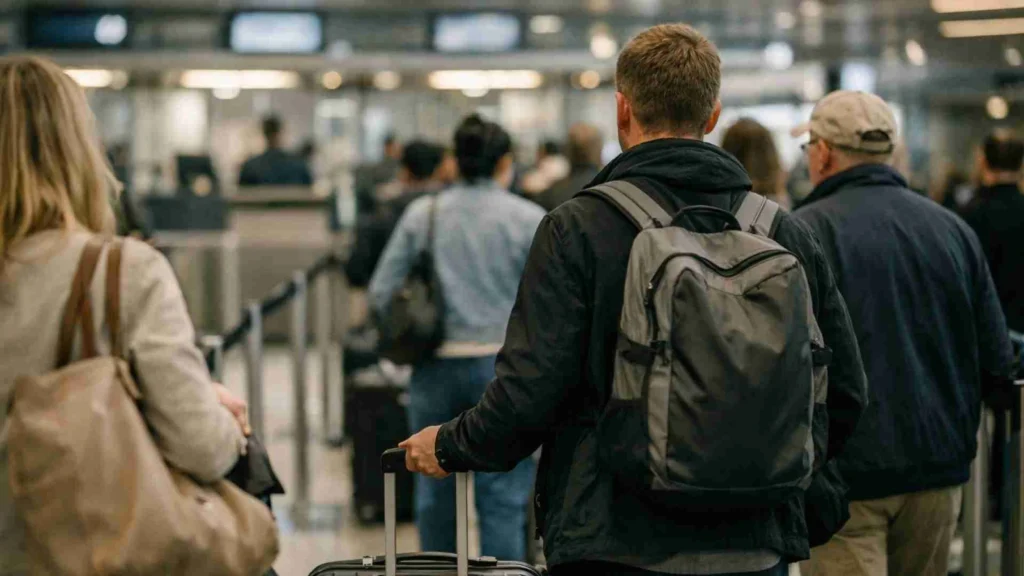
Wait times at Charles de Gaulle Airport (CDG) vary significantly by season and terminal.
| Period | Standard | Priority (Access No.1) |
|---|---|---|
| Jan–Mar | 15–25 min | 5–10 min |
| Spring | 25–40 min | 10–15 min |
| Summer peak | 45–70 min | 10–20 min |
| Morning rush | 60+ min | 15–25 min |
Immigration queues are typically longer than security screening, especially for non-EU travelers departing from Terminal 2E.
Fridays, Sundays, and early-morning departure waves see the heaviest congestion.
During July/August mornings, Paris Airport Fast Track can save 30–45 minutes — particularly at passport control.
📱 Pro Tip: Check live queue updates via the official Paris Aéroport mobile app before deciding whether to purchase priority access.
These estimates reflect seasonal passenger patterns and may vary daily.
PARAFE vs Paris Airport Fast Track: Which Is Faster in 2026?
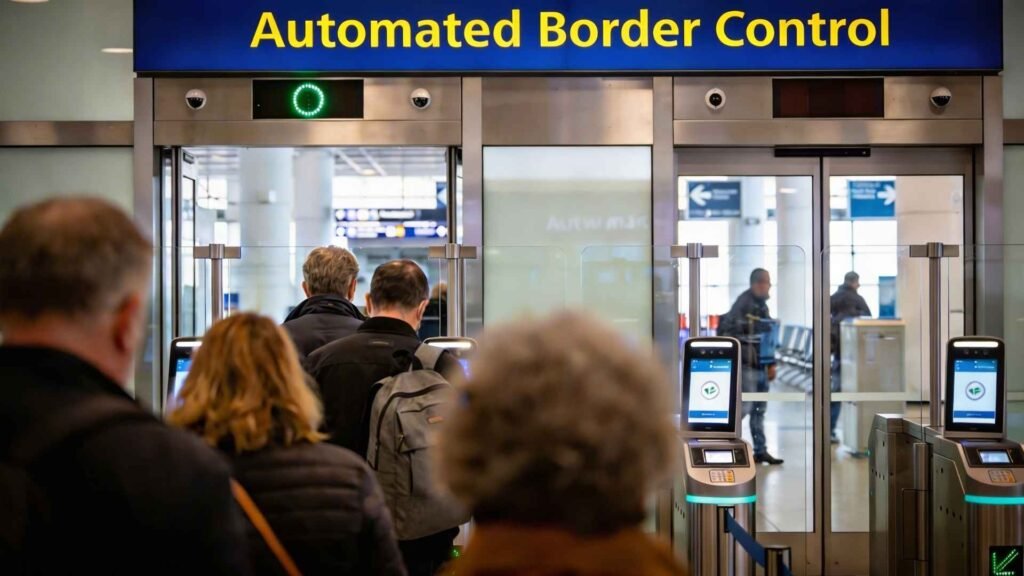
At Charles de Gaulle Airport (CDG), travelers may choose between automated biometric gates (PARAFE) and paid priority lanes such as Paris Airport Fast Track (Access No.1).
Who Can Use PARAFE?
CDG operates PARAFE automated border control gates for:
- EU biometric passport holders
- EEA nationals (Norway, Iceland, Liechtenstein) & Swiss citizens
- Certain eligible non-EU biometric passports (including UK, USA, Canada, Australia, Singapore, Japan, South Korea — subject to regulatory updates)
Children under 12 cannot use PARAFE gates alone. Families traveling with minors must use manual lanes.
If eligible and fully operational, immigration through PARAFE may take only a few minutes — often making paid priority unnecessary.
When PARAFE Is Faster
PARAFE is typically faster when:
- Traveling outside peak summer periods
- All members of your group are eligible
- Automated gates are fully operational
- No additional document verification is required
When Fast Track Is More Reliable
Paris Airport Fast Track may be the better option when:
- You are not PARAFE eligible
- Traveling during July/August morning peaks
- Gates are temporarily closed or restricted
- Random manual checks slow biometric processing
- You prefer predictable processing time over variable automation
While PARAFE can be extremely fast, it is not guaranteed. Entire groups must be eligible, and French border officers may conduct random manual checks even after biometric validation.
For non-eligible travelers, Paris Airport Fast Track remains the only paid method to reduce immigration waiting times at CDG (excluding full VIP Meet & Assist services).
CDG Terminal Guide: Where Fast Track Matters Most
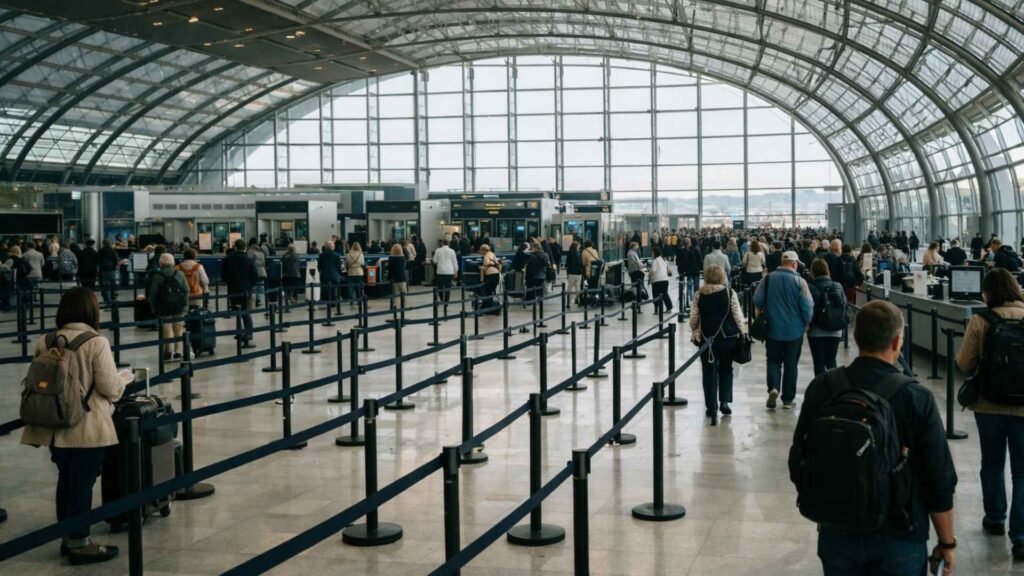
Passenger congestion at Charles de Gaulle Airport (CDG) is not evenly distributed. In 2026, choosing Fast Track depends heavily on your specific terminal’s layout and current border technology hurdles.
Terminal 2E (The High-Stakes Hub)
- Profile: The primary hub for Air France and SkyTeam long-haul flights (Gate halls K, L, and M).
- The 2026 Reality: This terminal faces the most significant pressure from the new EU Entry/Exit System (EES). Non-EU travelers (including UK, US, and Asian passengers) often face manual processing backlogs.
- Why Fast Track? Essential during morning “transatlantic waves” (6:00 AM – 11:00 AM). With three separate satellite buildings, a delay at passport control can cause you to miss the shuttle train to your gate.
- Verdict: Strongly Recommended for non-EU travelers and tight connections.
Terminal 2F (The Schengen Gateway)
- Profile: Mainly intra-European flights (Air France, KLM).
- The 2026 Reality: Since most flights stay within the Schengen zone, you skip immigration entirely. You only face security screening.
- Note: If your destination is non-Schengen (e.g., London, Dublin, or Istanbul), you will still pass through a passport exit point which can occasionally bottle-neck.
- Verdict: Optional. Usually only necessary during major holiday peaks or if you arrive at the airport less than 90 minutes before your flight.
Terminal 1 (The Modernized Classic)
- Profile: Home to Star Alliance (Lufthansa, United, Turkish Airlines) and Qatar Airways.
- The 2026 Reality: Following its massive renovation, Terminal 1 now has a centralized “international boarding hall” which has streamlined flow. However, it handles massive wide-body aircraft (A380s/777s); if two such flights land or depart at once, the central security area hits a standstill.
- Verdict: Situational. Highly valuable if you see multiple long-haul flights scheduled around your departure time.
Terminal 3 (The Low-Cost Base)
- Profile: Charter and low-cost carriers (e.g., some Vueling or Transavia flights).
- The 2026 Reality: This terminal is designed for speed but lacks the premium “Access No.1” infrastructure seen in the other terminals. It is a walking-heavy terminal with fewer automated systems.
- Verdict: Rarely Available. Do not count on buying Fast Track here; focus instead on arriving early.
How Much Does Paris Airport Fast Track Cost in 2026?
| Service | Average Price |
|---|---|
| Access No.1 | €20 – €35 |
| VIP Basic Meet & Assist | €120 – €180 |
| VIP Premium Assistance | €200 – €350 |
At Paris Airport (CDG & Orly), pricing may vary depending on season, terminal, and selected time window. Peak summer departures reflect the higher end of the range.
Standard Paris Airport Fast Track provides lane priority only. VIP services include personal escort and dedicated assistance, which explains the higher pricing tiers.
Prices are subject to seasonal and operational changes.
Where & How to Book Paris Airport Fast Track
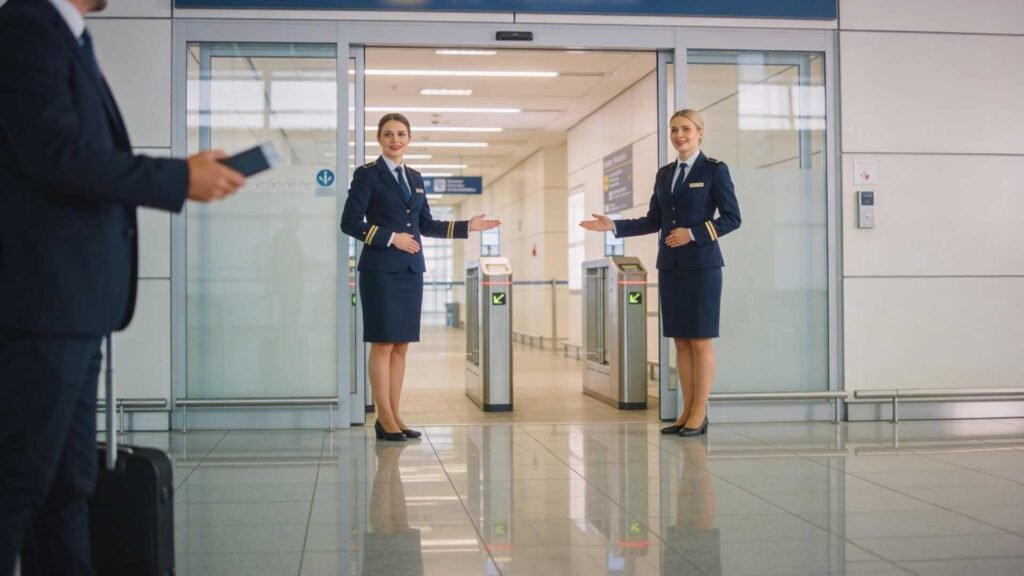
Priority access at Charles de Gaulle (CDG) and Orly is provided through three distinct tiers. Your choice depends on whether you simply want to skip the queue or require a personal escort to handle your entire airport journey.
1️⃣ Official Airport Product: Access No.1
The most direct way to bypass queues is Access No.1, the official priority lane product sold via Extime (the official Paris Aéroport store).
- Service: Access to dedicated priority lanes for security and passport control.
- Pricing (2026): Typically ranges from €20 to €35 per person.
- How to Book: Visit Extime.com, select your airport (CDG/ORY), and choose “Access No.1.”
- Best For: Independent travelers who know the terminal but want to avoid the 45-60 minute peak-hour wait times.
- ⚠️ Note: Online bookings often close 24 hours before departure. During peak summer months, specific time slots (especially 6:00 AM – 9:00 AM) frequently sell out.
2️⃣ Airline Priority: SkyPriority & Air France Concierge
If you are flying with Air France or a SkyTeam partner, you may not need to buy a separate pass.
- SkyPriority: Automatically included for Business Class, First Class, and Flying Blue Gold/Platinum members. It appears as a logo on your boarding pass.
- Air France Concierge (New for 2026): For Economy or Premium travelers, Air France now offers a paid Concierge Service. This includes a meet-and-greet at the terminal entrance and an escort through priority lanes.
- Best For: Frequent flyers or those loyal to a specific airline alliance.
3️⃣ Premium VIP Meet & Assist Providers
For those who want a “white-glove” experience, third-party VIP providers offer a greeter who meets you at the curb and handles everything until you reach the lounge or gate.
- Key Providers: Royal Airport Concierge, Extime Meet & Greet, and SkyVIP.
- What’s Included:
- Personal greeter meeting you at the terminal entrance (Departure) or jet bridge (Arrival).
- Full baggage assistance (Porter service often available as an add-on).
- Escorted fast-track through security, customs, and immigration.
- VAT refund assistance (a major time-saver for international shoppers).
- Pricing: Starts at approximately €120 – €180 for a basic meet-and-assist, reaching €300+ for premium private terminal experiences.
- Best For: Families with small children, elderly passengers, or anyone carrying high-value tax-refund items.
Is Paris Airport Fast Track Worth It for Families?
When traveling as a family, the value of Fast Track can differ significantly compared to solo travelers.
- Children under 2 years old are typically free of charge when accompanying a paying adult.
- Children over 2 years old usually require an individual pass.
- Each traveler must have their own valid QR code to use Access No.1 lanes.
Note: Always check the specific airline or service provider policy, as some third-party VIP services may apply different pricing rules for infants.
Important Practical Considerations
- Strollers and baby carriers may slow down standard security lines during peak hours.
- All members of the group must be eligible to use PARAFE if choosing automated gates.
- If one family member is not eligible for PARAFE, the entire family may need to use manual immigration lanes.
For a family of four, Access No.1 can add €80–€140 to total costs. During off-season periods with short queues, this expense may not be justified. However, during peak summer mornings at Terminal 2E, the stress reduction alone may make it worthwhile.
Common Paris Airport Fast Track Mistakes
- Assuming Paris Airport Fast Track works automatically on arrival (it usually does not).
- Confusing security screening with passport control — they are separate checkpoints.
- Not checking PARAFE eligibility before purchasing Paris Airport Fast Track.
- Booking too late (online sales may close 24–48 hours before departure).
- Expecting lounge access to be included with Access No.1 (it is not).
- Searching for priority lanes in Terminal 3, where Paris Airport Fast Track may be unavailable.
- Purchasing Paris Airport Fast Track despite already having SkyPriority through airline status.
Final Verdict
Paris Airport Fast Track is not essential for every traveler — but during peak season at Terminal 2E, it can dramatically reduce uncertainty and waiting time.
If you are flying long-haul from CDG without PARAFE eligibility during summer mornings, it is often worth the investment.
For off-season Schengen departures, it may be unnecessary.
Information & Policy Disclaimer
Information provided in this guide is for informational purposes only and may change based on airport policies, airline procedures, and border regulations. Travelers are encouraged to verify eligibility, pricing, and operational details directly through official airport or airline sources prior to travel.
France (Paris) Visa & Passport Requirements: The Easy Complete Guide Before You Travel
Paris Charles de Gaulle Airport Guide: Easy Transfers, Digital Tickets & Smart Arrival Tips