
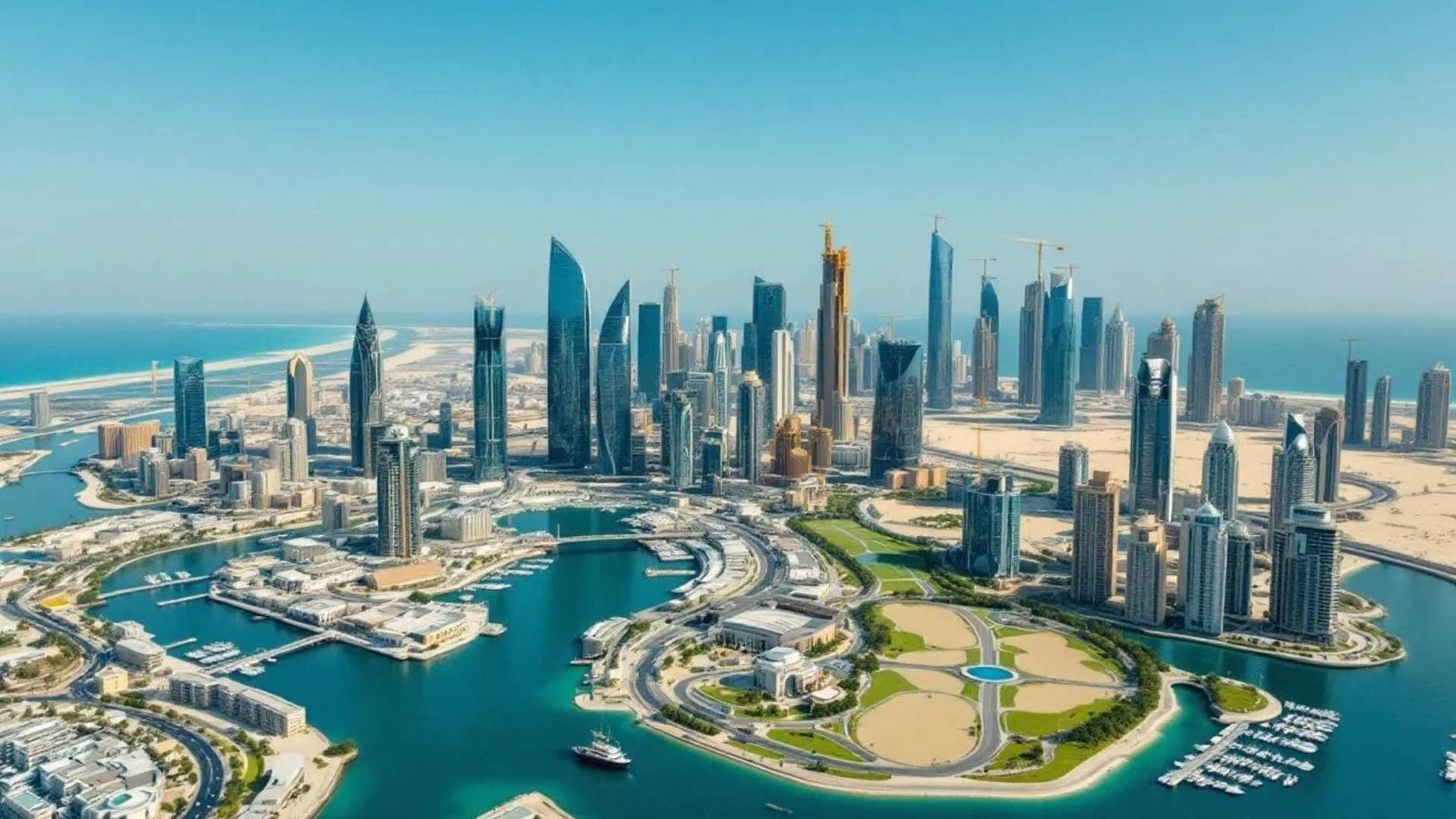
Investing in Qatar has become one of the most promising opportunities in today’s global real estate landscape—where bold architectural visions rise from the desert and cutting-edge cities stretch along the coastline. Qatar’s stability, strong governance, and future-focused economic roadmap create an environment built for long-term value.
Across Doha, the momentum is unmistakable. Lusail’s modern waterfront, The Pearl’s luxury enclaves, Msheireb’s smart-city boulevards, and West Bay’s financial skyline all signal a market ready for global capital. For international buyers seeking security, tax efficiency, and high-quality assets, investing in Qatar stands out as one of the Middle East’s strongest pathways to sustainable growth.
1. Why Invest in Qatar? — Stability, Vision & Long-Term Growth
Qatar’s investment environment stands out in the region due to its political stability, strong sovereign wealth, tax advantages, and long-term masterplanning approach. The country’s National Vision 2030 aligns urban development, economic diversification, tourism growth, and foreign investor programs into a single unified roadmap.
Key Advantages for Global Investors
- No personal income tax for residents and property investors
- High rental demand from international professionals
- Freehold zones fully accessible to foreign buyers
- Government-backed mega-projects, especially in Lusail and Msheireb
- Strategic location connecting Middle East, Asia, and Europe
- Rising tourism market (post–World Cup momentum)
Qatar is positioning itself as a long-term, stable, high-yield market with an emphasis on quality over volume.
2. Foreign Ownership Rules in Qatar (2026 Update)
Foreign investors investing in Qatar real estate gain access to modern freehold zones such as Lusail, The Pearl, and West Bay Lagoon.
✅ Freehold Zones for Qatar Real Estate Investment
- Lusail City
- The Pearl-Qatar
- West Bay Lagoon
- Msheireb Downtown Doha
- Al Dafna (selected areas)
- Al Khor Coastal Developments
✅ Residency Benefits
- Property purchase of USD $200,000+ can provide temporary residency
- USD $1M+ investment may qualify for permanent residency with additional benefits (such as access to public services)
Qatar’s foreign ownership program is carefully regulated, offering long-term security for investors seeking residency-linked property investments.
3. Best Areas in Doha for Real Estate Investment
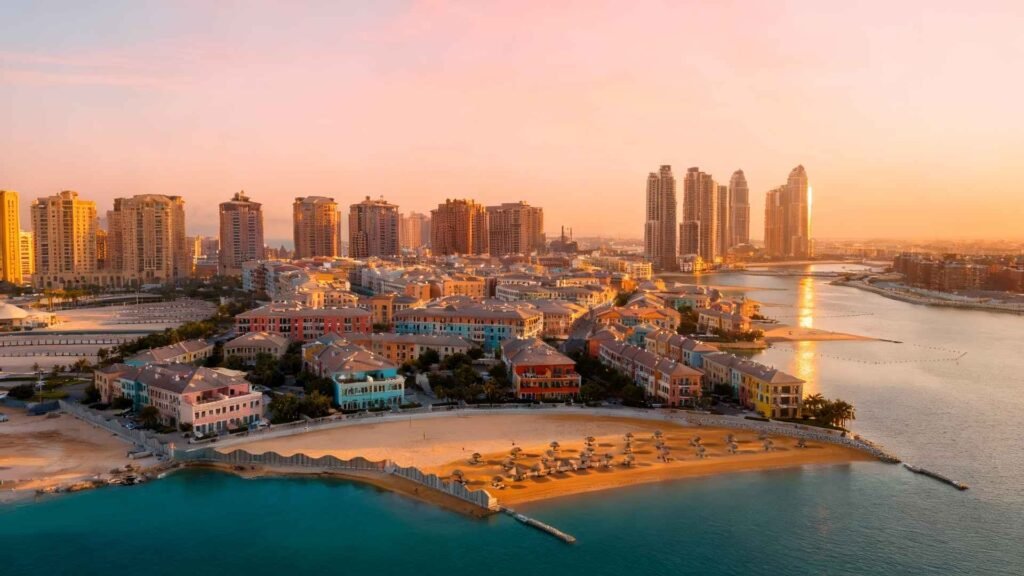
A) Lusail City — The New Investment Capital
Lusail is Qatar’s largest masterplanned city and the country’s most promising investment hub.
- Waterfront towers (premium)
- Marina District (corporate rentals + lifestyle)
- Qetaifan Island North (short-term rentals + tourism)
- Fox Hills (affordable + long-term growth)
B) The Pearl-Qatar — Doha’s Prime Luxury District
Famous for its marina, waterfront boulevards, and high-end lifestyle.
- Strong international buyer demand
- Stable long-term rental market
- Luxury apartments, townhouses, and brand residences
C) Msheireb Downtown — Qatar’s First Smart & Sustainable District
The world’s largest LEED Gold/Platinum certified urban project.
- Ultra-modern residences
- High corporate rental demand
- Walkable downtown lifestyle
D) West Bay & Lagoon — Corporate & Executive Rentals
Doha’s traditional business heart.
- High-rise apartments
- Corporate tenant base
- Fast occupancy rates
4. Major Ongoing & Off-Plan Projects (2025–2027)
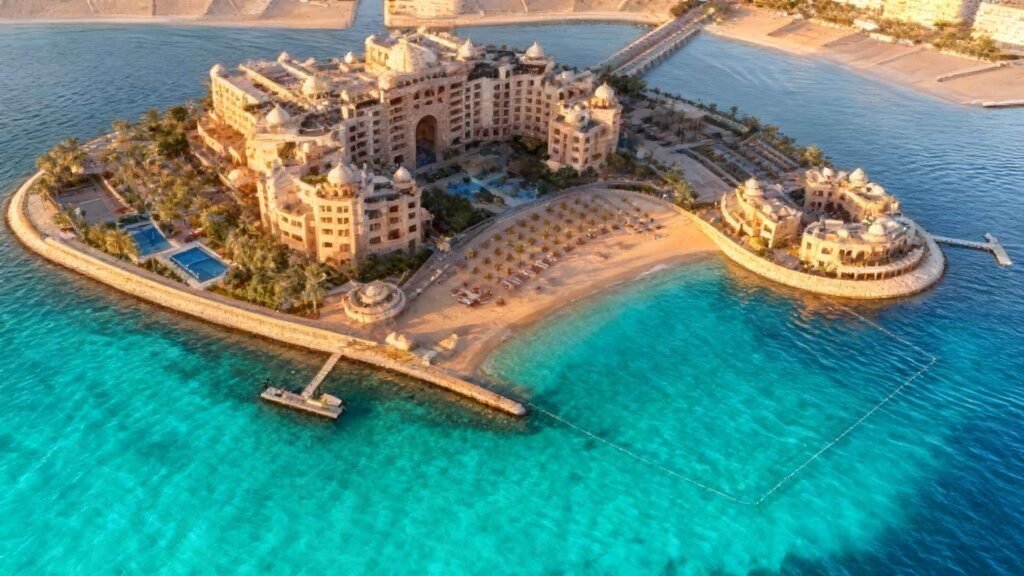
Qatar continues to expand with strategic mega-projects, especially in Lusail and the northern coast.
🔹 Voya Waterfront (Lusail Waterfront) :
Luxury tower in prime waterfront; strong capital growth potential.
🔹 Qetaifan Island North :
Resort island with waterpark, hotels, branded residences; high short-term rental ROI.
🔹 Seef Lusail & La Mer Tower :
Modern waterfront towers with long-term lifestyle and investment value.
🔹 Simaisma Beachfront Masterplan :
Mega luxury resort + golf + villa community along Qatar’s northern coastline.
🔹 Msheireb Downtown – Phase Expansions :
New residential + mixed-use blocks in Doha’s most advanced smart city.
These developments reflect Qatar’s controlled yet ambitious growth strategy. Qatar continues to expand sustainably while strengthening its position as a premium global investment destination.
5. ROI Expectations in Qatar’s Real Estate Market (2026)
| District | Rental Yield | Projected Appreciation | Investor Profile |
|---|---|---|---|
| Lusail City | 6% – 8% | 15% – 25% | Growth-focused |
| Qetaifan Island | 9% – 12% | 20% + | Short-term rentals |
| The Pearl | 5% – 6% | 10% – 15% | Stable & premium |
| Msheireb Downtown | 6% – 7% | 10% – 15% | Corporate rentals |
| Fox Hills (Lusail) | 7% – 8% | 12% – 18% | Entry-level investors |
6. Types of Properties You Can Invest In
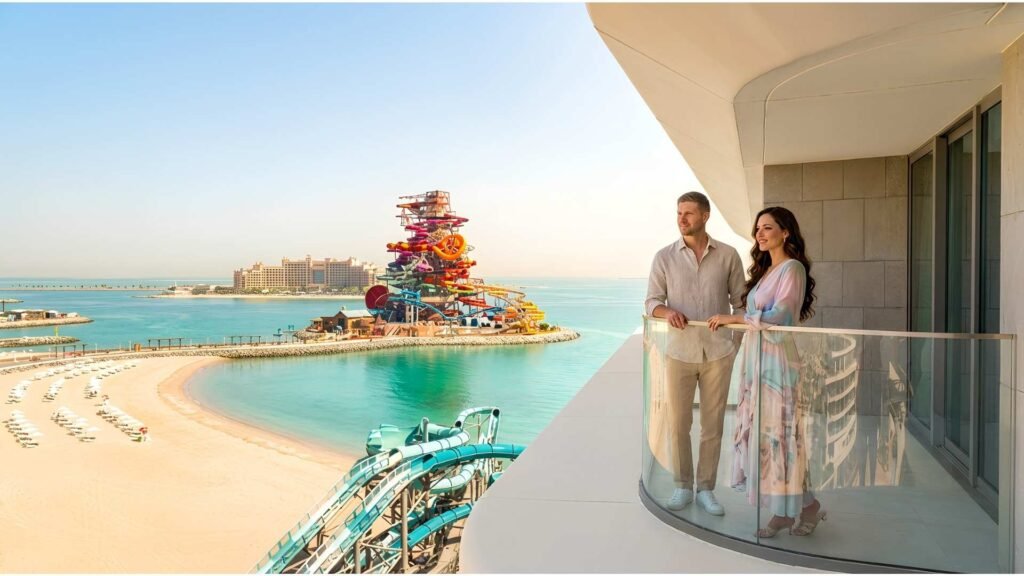
Qatar offers a diverse range of property types designed for different investor profiles — from waterfront luxury to affordable mid-range units. Below is a quick breakdown of the most popular options for international buyers.
- Waterfront apartments (Lusail / The Pearl)
- Branded residences (Qetaifan Island)
- Smart-city residences (Msheireb)
- Mid-range apartments (Fox Hills)
- Luxury villas (Simaisma & Northern Coast)
- Commercial & office units (Lusail Marina / West Bay)
Together, these property categories form a balanced investment landscape — allowing global investors to match their goals with the right asset type, whether focused on rental income, capital growth, or long-term security.
for investment in Qatar 👉 Qatar Investment Promotion Agency→
7. Non-Real-Estate Investment Opportunities in Qatar
Beyond real estate, Qatar offers a diverse range of high-potential investment sectors driven by tourism growth, industrial expansion, and a rapidly modernizing economy. These industries present valuable opportunities for global investors looking to diversify their portfolios.
- Tourism & Hospitality :
Qetaifan Island, Lusail Marina, and West Bay hotels continue to see strong demand from international travelers.
- Logistics & Industrial Zones :
Ras Bufontas Free Zone supports e-commerce, logistics, light manufacturing, and export-focused operations.
- Financial Services & FinTech :
The Qatar Financial Centre (QFC) offers a low-tax business environment ideal for finance, insurance, fintech, and professional services.
- Sports, Events & Entertainment :
Following the World Cup, Qatar’s event-driven economy is expanding through concerts, conferences, sports tournaments, and cultural festivals.
These sectors highlight Qatar’s commitment to economic diversification, creating a stable and forward-looking environment for investors across multiple industries.
8. How to Buy Property in Qatar — Step-by-Step
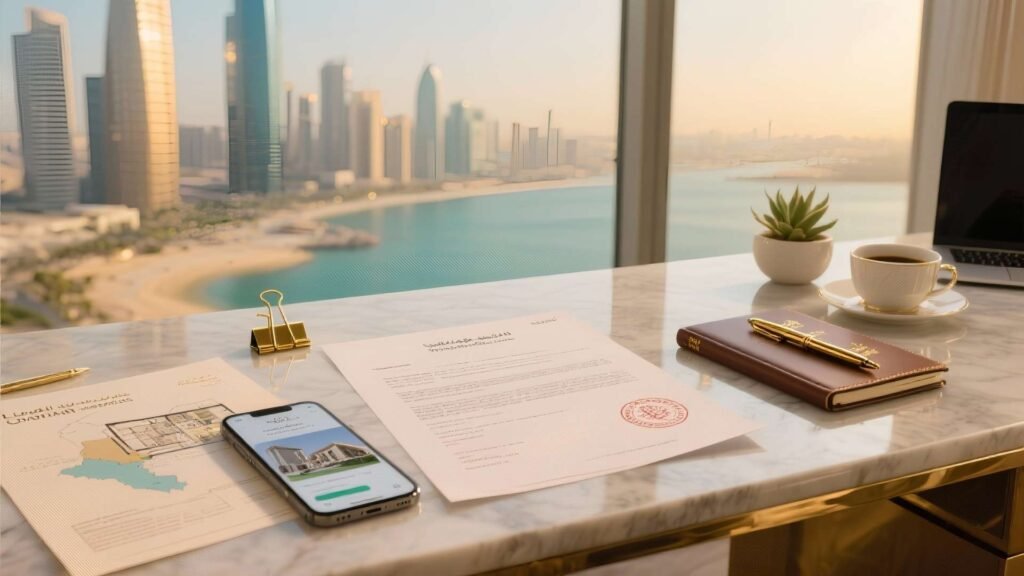
Qatar’s property acquisition process is transparent and investor-friendly, especially within designated freehold zones. Here’s a simple step-by-step guide for international buyers entering the market.
1. Choose Your Preferred District :
Lusail, The Pearl, West Bay, or Msheireb depending on your investment strategy.
2. Select the Property Type :
Decide between off-plan, ready units, waterfront, or mid-range apartments.
3. Verify the Developer’s Track Record :
Check past deliveries, build quality, and financial stability.
4. Reserve Your Unit :
Submit a reservation deposit (token payment) to secure availability.
5. Sign the SPA (Sales Purchase Agreement) :
Review contract terms, payment schedule, and completion dates.
6. Follow the Payment Plan :
Off-plan projects usually offer structured installments until handover.
7. Receive the Handover & Ownership Certificate :
Final inspection, snagging, and issuance of the title document.
8. Manage, Rent, or Resell Your Property :
Choose long-term rental, short-term rental, or capital appreciation strategy.
By following these steps, global investors can complete the Qatar property purchase process smoothly, while ensuring clarity, security, and long-term value from their investment.
9. Taxes, Fees & Cost of Buying Property in Qatar
Qatar’s property market operates in a low-tax environment, making it highly attractive for global investors seeking efficiency and long-term value. While the process is straightforward, it’s important to understand the key fees involved in purchasing and maintaining a property.
✅ Taxes
- Zero income tax on rental earnings
- Zero capital gains tax on resale profits
(Qatar does not impose personal income or property tax, making it one of the most financially efficient markets for investors.)
✅ Purchase Fees
- Developer fees → varies by project and included amenities
- Registration fees → paid during SPA signing; may include admin/documentation costs
- Transfer fees: approximately 0.25%–0.5% depending on location and property type
- Agent commission: typically 1%–2%
✅ Additional Costs
- Service charges & maintenance fees → depend on unit size, view, building amenities, and community management (higher in waterfront/premium towers)
- Property management fees → optional, usually 5%–10% for rental management services
- Utility & moving-in fees → small one-time charges for electricity, water, cooling setup, or move-in permits (varies by building)
10. Investor Takeaway — Why Qatar Is a Market Built for the Future
Qatar offers a rare combination of stability, premium development, tax efficiency, foreign ownership rights, and strategic urban planning. Unlike fast-cycling real estate markets, Qatar focuses on long-term value creation, world-class infrastructure, and sustainable growth.
For global investors seeking stability, tax advantages, and world-class developments, investing in Qatar continues to stand out as one of the region’s strongest opportunities.
Dubai property market overview 👉 Start Your Investment Journey →