
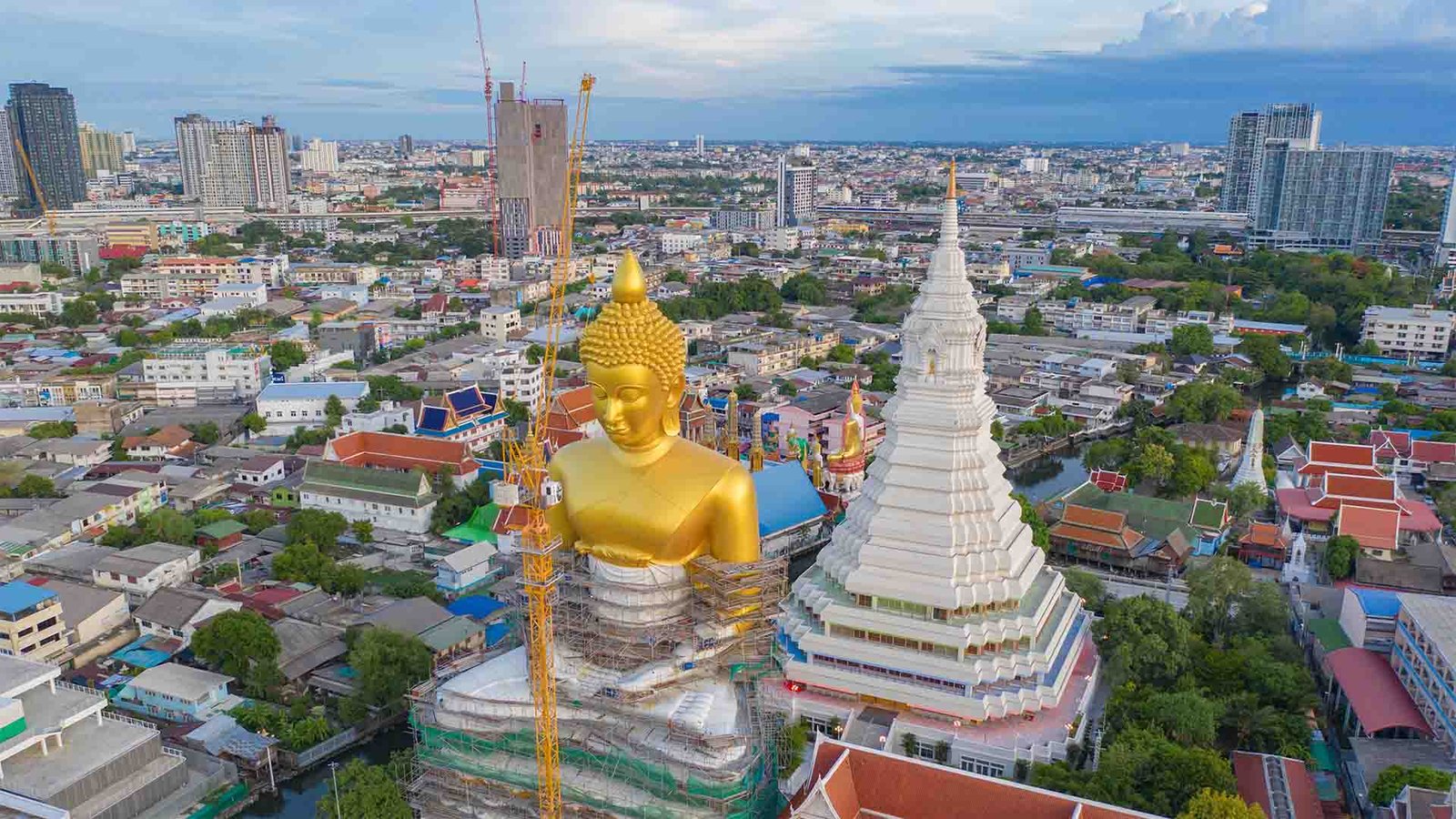
Bangkok is often associated with modern city life, yet its true character is deeply rooted in history. The foundations of the Thai capital were shaped by royal authority, Buddhist belief, and a carefully planned urban structure centered around sacred and political power. Exploring the historical attractions in Bangkok allows visitors to understand not only what the city looks like today, but why it exists in its current form.
This hub page provides a clear overview of Bangkok’s most important historical sites. Rather than offering surface-level descriptions, it explains how these landmarks are connected and guides readers to detailed, in-depth articles for each location.
For official visitor information, cultural guidelines, and travel planning related to Bangkok’s historical attractions, travelers can consult the Tourism Authority of Thailand..
The Grand Palace — Foundation of Bangkok’s Royal History
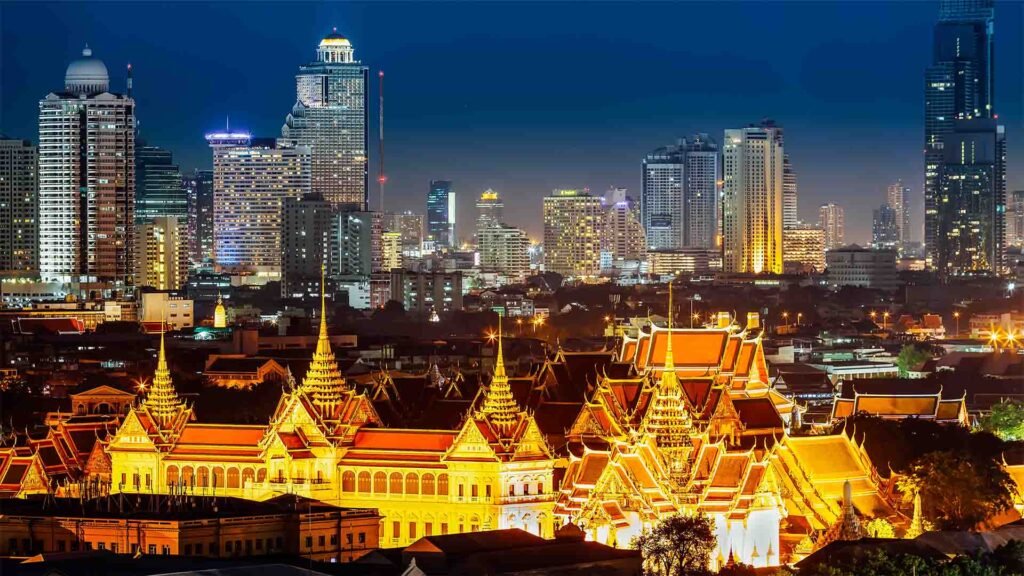
The Grand Palace is the cornerstone of Bangkok’s historical identity. Built in 1782 by King Rama I, it marked the official founding of Bangkok as the capital and served as the royal residence and administrative center for more than 150 years.
More than a palace, this vast complex functioned as a political, ceremonial, and spiritual center. Nearly every major historical attraction in Bangkok is geographically and symbolically connected to the Grand Palace.
Read the full guide: 👉 The Grand Palace — History, Architecture & Visitor Guide
Wat Phra Kaew — Royal Temple & National Symbol
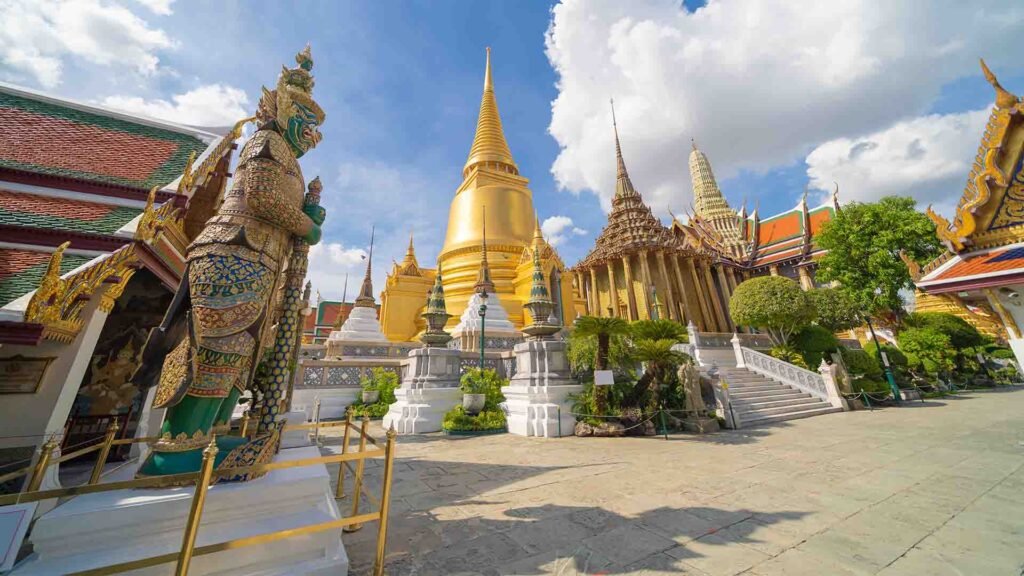
Located within the Grand Palace complex, Wat Phra Kaew (Temple of the Emerald Buddha) is Thailand’s most sacred religious site. Unlike other temples, it has no resident monks and exists solely for royal and national ceremonies.
As the spiritual heart of the Thai kingdom, Wat Phra Kaew represents the inseparable bond between Buddhism, monarchy, and national identity — making it one of the most important historical attractions in Bangkok.
Explore in depth: 👉 Wat Phra Kaew — Royal Temple & National Symbol
Wat Arun — Riverside Landmark of Early Bangkok
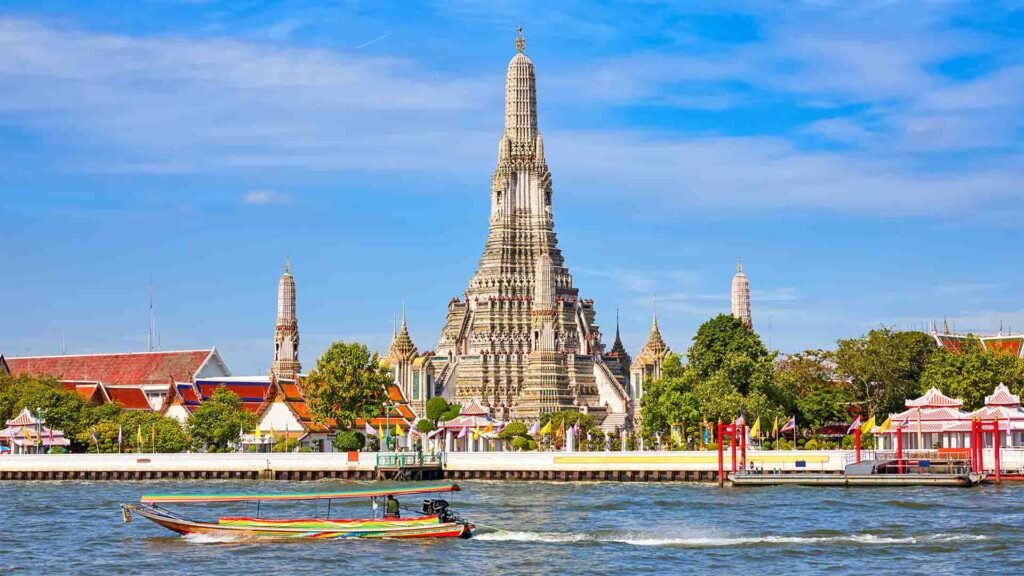
Standing prominently on the western bank of the Chao Phraya River, Wat Arun historically symbolized arrival and protection. For travelers entering Bangkok by water, it was the first major landmark they encountered.
Its distinctive architecture reflects Buddhist cosmology and highlights the historical importance of the river in shaping Bangkok’s development.
Read more: 👉 Wat Arun — Temple of Dawn & Symbolism
Wat Pho — Reclining Buddha and Thai Wellness Heritage
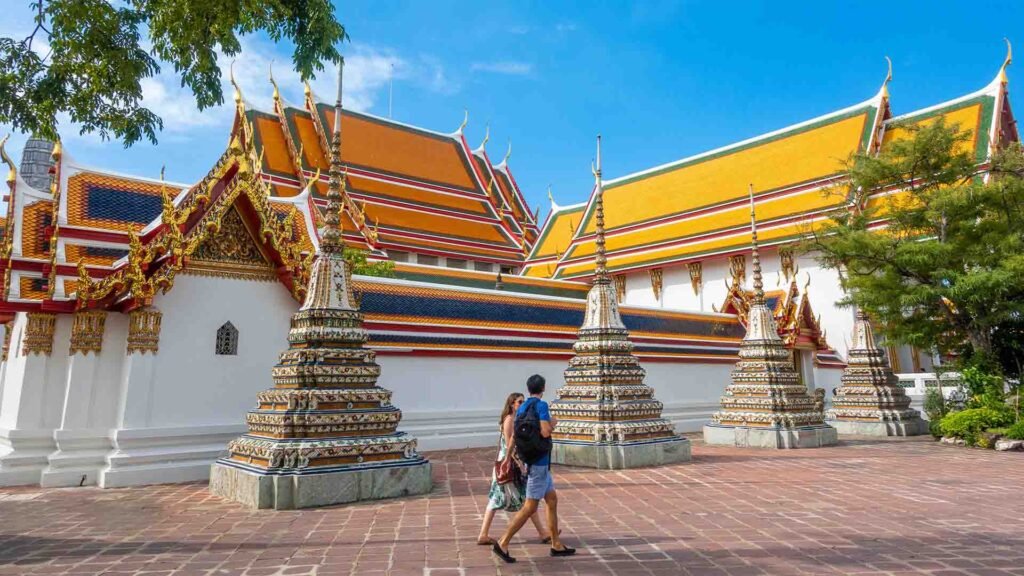
Wat Pho is one of the oldest temples in Bangkok and played a crucial role in preserving traditional Thai knowledge. Beyond housing the iconic Reclining Buddha, the temple served as Thailand’s first public center of education, teaching medicine, massage, and philosophy.
Historically, Wat Pho demonstrates how spirituality, education, and daily life were closely connected in early Bangkok society.
Discover more: 👉 Wat Pho — Reclining Buddha & Ancient Knowledge
Rattanakosin Old Town — The Original City Plan of Bangkok
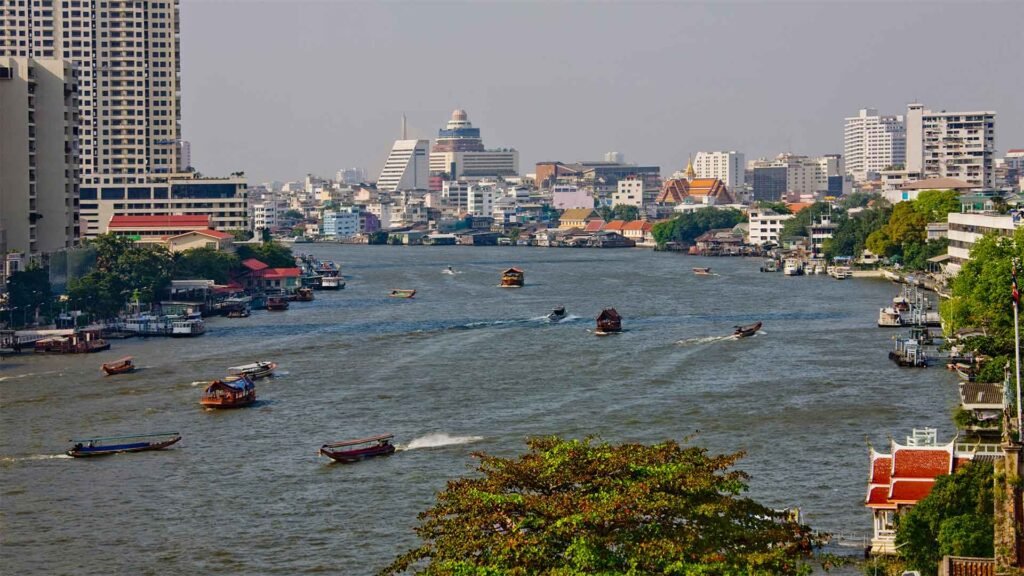
All major historical attractions in Bangkok are anchored in Rattanakosin Old Town, the area established in 1782 when Bangkok became the capital of Thailand. This district was intentionally designed to reflect the structure of the former capital, Ayutthaya, integrating royal palaces, major temples, and waterways into a unified city plan.
Rattanakosin is not just a neighborhood; it is the historical framework that explains why Bangkok’s most important temples and landmarks are concentrated in one area. Understanding this district provides essential context for every historical site listed below.
Learn more: 👉 Rattanakosin Old Town — Bangkok’s Historic Core
How Bangkok’s Historical Attractions Connect to One Another
The Historical Attractions in Bangkok were never designed to stand in isolation. From their very beginning, these sites were planned as an interconnected system — one that balanced royal authority, spiritual legitimacy, education, protection, and urban order within a unified capital.
Each landmark played a distinct role in shaping Bangkok’s identity:
- The Grand Palace established royal authority and political power
- Wat Phra Kaew provided spiritual legitimacy at the heart of the monarchy
- Wat Pho preserved knowledge, healing traditions, and education
- Wat Arun symbolized protection, arrival, and the gateway to the capital
- Rattanakosin Old Town unified these elements into a coherent royal city
Seen together, these historical attractions in Bangkok reveal a carefully structured vision rather than a collection of isolated monuments. Understanding how they connect transforms sightseeing into historical insight — allowing visitors to experience the city as it was intended to be understood.
How to Explore Historical Attractions in Bangkok
For first-time visitors, exploring Historical Attractions in Bangkok requires a thoughtful and well-paced approach. Rather than trying to see everything at once, focusing on the city’s historic core allows travelers to understand how royal power, spirituality, and urban life evolved together.
A structured way to experience Bangkok’s history includes:
- Prioritizing Rattanakosin Old Town and dedicating one or two full days to its royal palaces and sacred temples
- Visiting early in the morning to avoid crowds and extreme heat, especially at major sites
- Combining palace and temple visits with a Chao Phraya River crossing, which mirrors how the city historically connected its sacred spaces
- Reading detailed guides in advance, adding cultural context and deeper meaning to each site
This approach allows travelers to experience Bangkok’s historical attractions in a way that feels both immersive and meaningful — transforming sightseeing into cultural understanding rather than a rushed checklist.
Frequently Asked Questions About Historical Attractions in Bangkok
How many days are enough to explore historical attractions in Bangkok?
Most travelers need one to two full days to explore the main historical attractions in Bangkok. Focusing on Rattanakosin Old Town allows visitors to see royal palaces, sacred temples, and riverside landmarks without rushing.
Are Bangkok’s historical attractions close to each other?
Yes. Many of the most important historical attractions in Bangkok — including The Grand Palace, Wat Phra Kaew, Wat Pho, and Wat Arun — are located within walking distance or a short river crossing from one another, making the area easy to explore in a compact itinerary.
Is Rattanakosin Old Town walkable for visitors?
Rattanakosin Old Town is generally walkable, especially between major temples and royal sites. However, due to heat and crowds, combining walking with short river ferry rides can make the experience more comfortable and historically authentic.
Which historical attraction in Bangkok should you visit first?
For first-time visitors, The Grand Palace is the ideal starting point. As the foundation of Bangkok’s royal history, it provides essential context for understanding nearby temples and the city’s overall historical structure.
Can historical attractions in Bangkok be visited independently without a guide?
Yes, historical attractions in Bangkok can be visited independently. However, reading detailed guides or visiting with background knowledge greatly enhances understanding, as many sites are deeply symbolic rather than self-explanatory.
What is the best time of day to visit historical attractions in Bangkok?
Early morning is the best time to visit historical attractions in Bangkok. Arriving shortly after opening hours helps avoid crowds, reduces heat exposure, and allows visitors to experience temples and palaces in a calmer atmosphere.
Do Bangkok’s historical attractions still play a role in modern Thai culture?
Absolutely. Bangkok’s historical attractions are not only preserved landmarks but also active cultural symbols. Royal ceremonies, religious rituals, and national traditions continue to be connected to these sites today.
Conclusion: Where Bangkok’s History Truly Begins
The historical attractions in Bangkok tell the story of how a riverside settlement became a royal capital and, eventually, a global city. By starting with this hub and exploring each landmark in depth, visitors gain a clearer understanding of Bangkok’s origins, values, and cultural foundations.
This page serves as the gateway to Bangkok’s historical narrative — one that continues to shape the city today.