
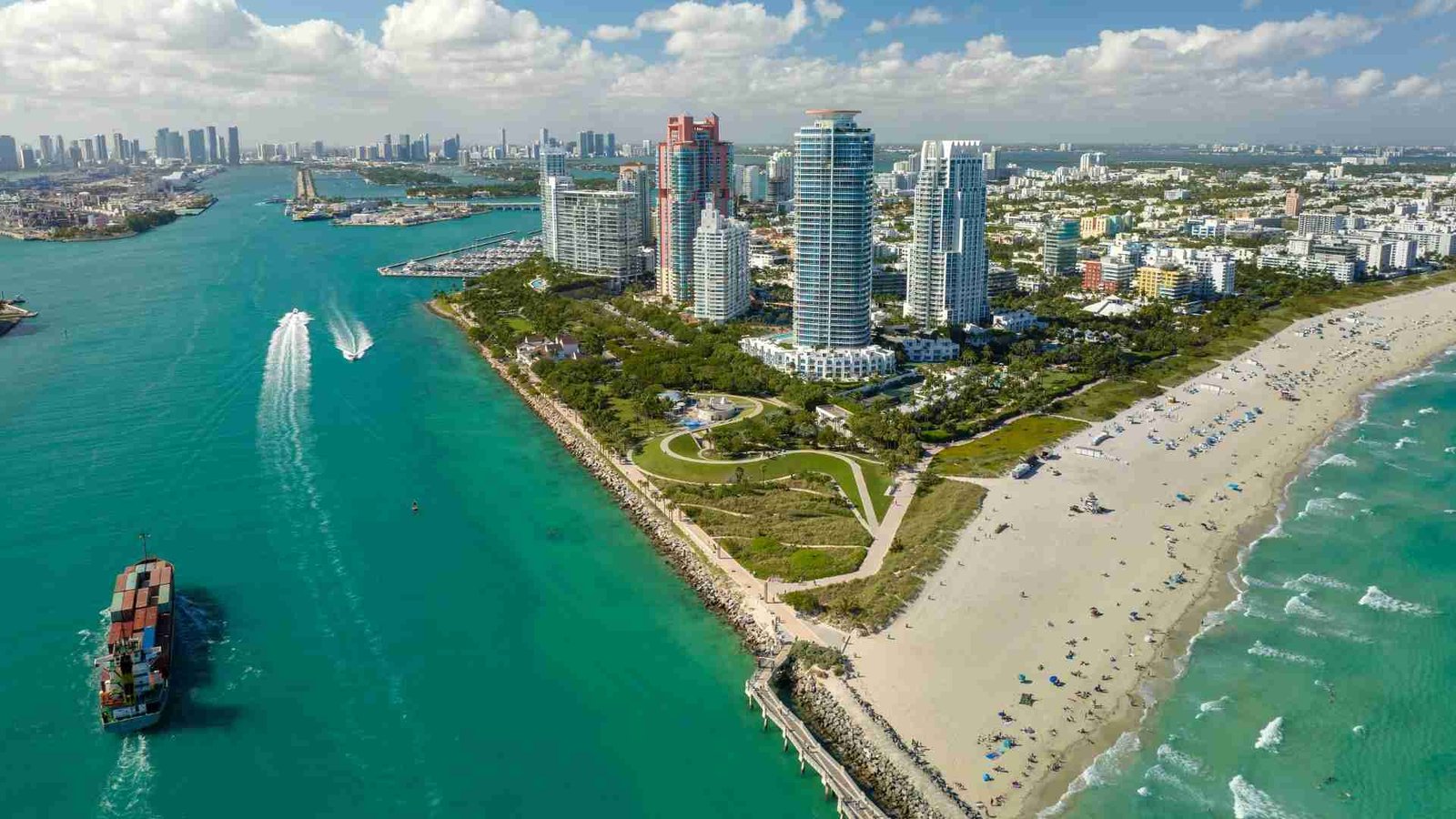
Miami has firmly established itself as one of the world’s most attractive real estate markets for international investors. A relatively stable legal framework for property ownership, strong private property rights, dollar-denominated assets, and sustained global interest continue to position the city as a long-term investment hub.
Within Miami, however, one question consistently arises among international buyers: Brickell vs Miami Beach.
For investors purchasing from abroad, the greatest risk is rarely the physical condition of a property. More often, it is misunderstanding who the typical tenant is, how rental activity is regulated, and how easily an asset can be exited. This comprehensive Brickell vs Miami Beach analysis examines both districts through an investor-focused lens—covering rental strategies, cost structures, regulatory frameworks, resale liquidity, and long-term outlook.
Why Brickell vs Miami Beach Is a Critical Decision for Investors
The Brickell vs Miami Beach decision is not about choosing the “better” neighborhood. It is about selecting the market behavior that aligns with your investment objectives.
- Brickell demand is largely driven by employment, finance, and year-round residential use
- Miami Beach demand is more closely tied to tourism, global branding, and lifestyle appeal
- Income stability, regulatory exposure, and resale dynamics differ materially
For international investors managing property remotely, these structural differences directly influence risk profile, cash-flow visibility, and long-term flexibility.
Brickell vs Miami Beach: Brickell as a Long-Term Investment Market
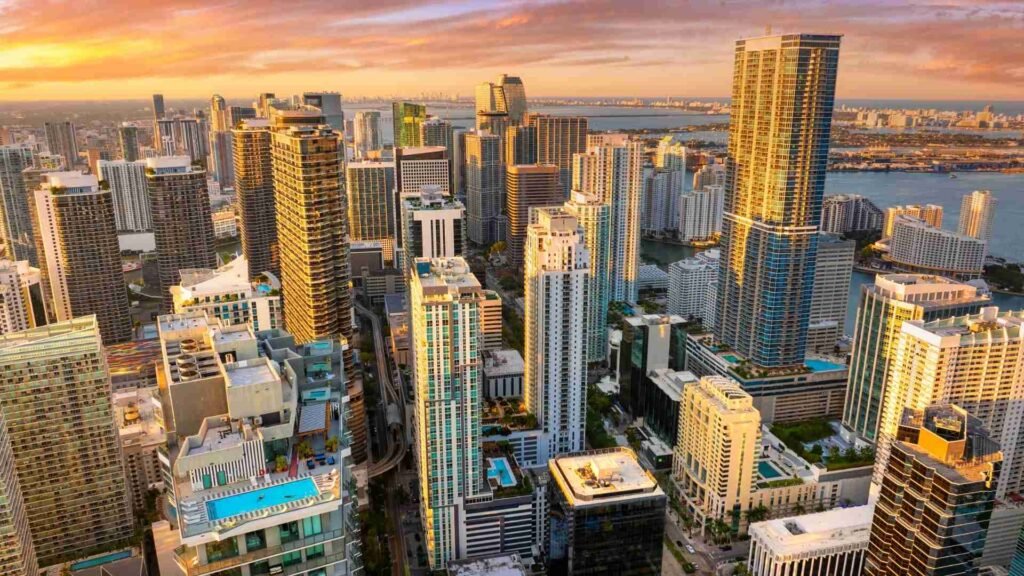
Often described as Miami’s financial heart, Brickell has evolved into a dense, vertical urban core anchored by global finance, technology, and professional services. Unlike tourism-driven districts, Brickell’s demand is structurally connected to employment concentration and full-time urban living.
This positioning generally favors investors seeking more predictable performance rather than seasonal volatility.
Brickell Investment Profile and Property Types
Brickell’s real estate landscape is primarily composed of:
- High-rise luxury condominiums
- Branded residential towers
- Mixed-use developments combining offices, residences, and retail
These properties are designed for full-time occupancy, serving residents whose location choice is influenced by work proximity and lifestyle efficiency rather than short-term travel patterns.
Brickell Rental Demand and Income Characteristics
Rental demand in Brickell is commonly supported by:
- Banking and finance professionals
- Technology and consulting employees
- International executives and expatriates
Because tenants typically relocate for professional reasons rather than leisure, this demand tends to remain more resilient during economic slowdowns. As a result, Brickell often features:
- Longer-term lease structures (commonly 6–12 months or more)
- Lower vacancy rates relative to tourism-oriented areas
- More consistent month-to-month rental income
From a cash-flow perspective, Brickell generally favors stability over volatility, which can appeal to income-focused and conservative investors.
Brickell Capital Appreciation Outlook
Brickell’s long-term value has historically been supported by:
- Ongoing infrastructure and transit investment
- Corporate migration from higher-tax U.S. states
- Limited remaining land for large-scale new development
These factors may support gradual, fundamentals-driven appreciation, rather than speculative price cycles.
While Brickell generally favors long-term leasing, rental permissions can still vary by building and zoning designation. Investors should always review individual condominium HOA bylaws before purchasing.
Brickell vs Miami Beach: Miami Beach as a Lifestyle-Driven Market

Miami Beach operates under a different investment logic. Its global identity—shaped by beaches, culture, nightlife, and luxury hospitality—plays a significant role in both demand patterns and pricing behavior. Real estate values here are influenced not only by housing fundamentals, but also by perception, branding, and global lifestyle trends.
This creates a market defined by opportunity, timing, and active decision-making.
Miami Beach Investment Profile and Property Types
Typical Miami Beach assets include:
- Vacation-oriented condominiums
- Boutique residential buildings
- Waterfront and beachfront properties
Many buyers combine personal lifestyle use with investment objectives, often treating properties as second homes that generate rental income during non-occupancy periods.
Miami Beach Rental Income Characteristics
Miami Beach is particularly attractive for:
- Short-term and seasonal rental strategies
- Premium nightly rates during peak travel periods
- Recurring international tourism demand
High-quality or well-located properties may demonstrate strong pricing power during favorable market conditions.
However, rental income in Miami Beach is often:
- Seasonal rather than evenly distributed throughout the year
- Sensitive to global travel trends and economic sentiment
- Highly dependent on zoning classifications and individual condominium HOA rules
As a result, returns can be attractive, but income consistency is not guaranteed and typically requires active management, professional oversight, and regulatory awareness.
Brickell vs Miami Beach: Miami Beach Investment Breakdown — South Beach vs Mid-Beach vs North Beach
Understanding Miami Beach requires looking beyond a single label. Unlike Brickell, which behaves as a relatively uniform market, Miami Beach functions as multiple sub-markets, each with distinct risk and return characteristics.
South Beach: High Visibility, Higher Volatility
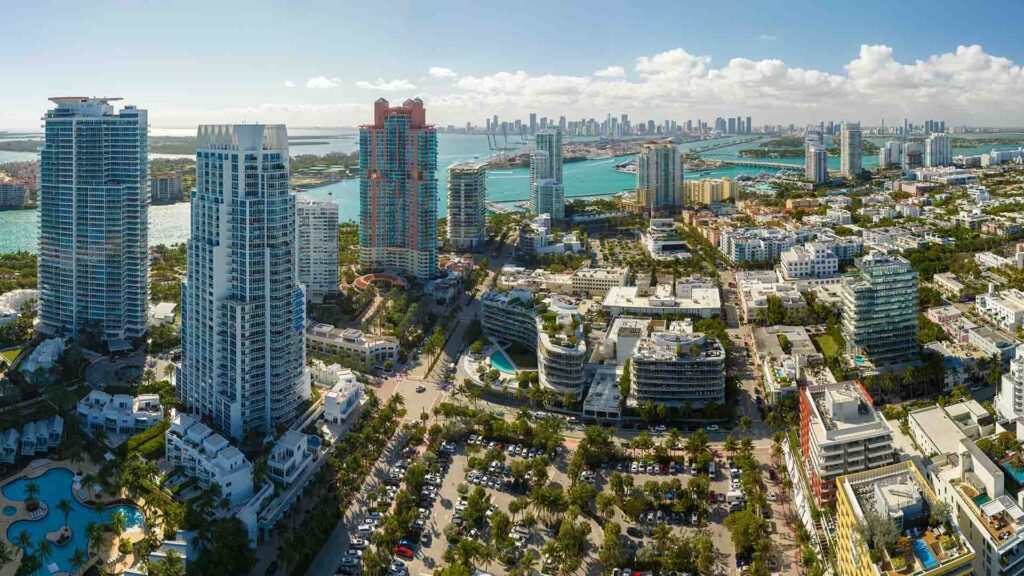
South Beach is the most visible and internationally recognized part of Miami Beach, shaped by tourism, branding, and constant global attention. Its market dynamics are fast-moving and opportunity-driven, offering strong upside potential while requiring closer attention to regulation, timing, and active management.
Common characteristics include:
- Strong short-term rental demand (where legally permitted)
- Elevated nightly pricing during peak seasons
- Greater exposure to regulatory enforcement and tourism cycles
From an investment standpoint, South Beach may offer higher upside potential, but outcomes are closely tied to market sentiment, regulation, and active management.
Mid-Beach: Premium Stability and Asset Quality
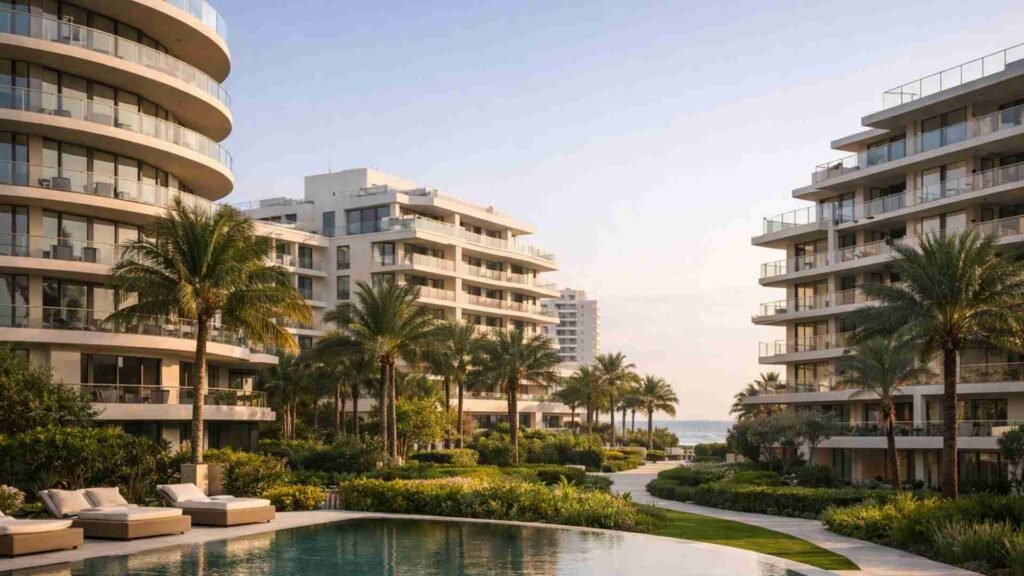
Mid-Beach represents the more refined and controlled segment of Miami Beach, offering a balance between lifestyle appeal and residential stability, with a stronger focus on premium assets and long-term value preservation.
Mid-Beach is generally characterized by:
- Resort-style luxury and hotel-branded residences
- A more stable, higher-income tenant and owner profile
- Higher purchase prices and HOA fees
This sub-market often appeals to investors prioritizing asset quality and long-term value preservation over aggressive yield optimization.
North Beach: Emerging Residential Growth
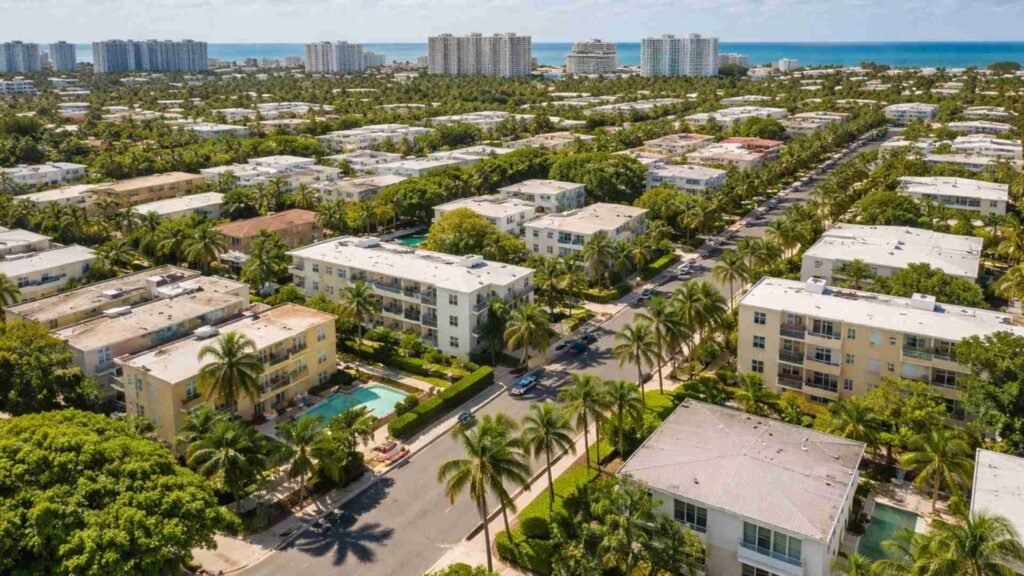
North Beach represents the quieter, more residential side of Miami Beach, increasingly defined by community-oriented living and gradual redevelopment. With lower entry points and a growing focus on long-term neighborhood improvement, the area attracts investors prioritizing future appreciation over short-term rental intensity.
Key features include:
- A stronger residential and community focus
- Lower entry prices relative to South and Mid-Beach
- Ongoing redevelopment and infrastructure improvements
While short-term rental demand is more limited, North Beach may appeal to investors focused on long-term appreciation rather than immediate income maximization.
Brickell vs Miami Beach: Investment Costs Comparison
Total ownership cost plays a major role in net returns.
| Cost Factor | Brickell | Miami Beach |
|---|---|---|
| Price per square foot | High | Very high (especially waterfront) |
| HOA fees | High | High to very high |
| Insurance costs | Moderate | Higher (flood & wind exposure) |
| Maintenance intensity | Moderate | Higher |
| Management complexity | Low | Medium to high |
While Miami Beach may command premium rents, Brickell often tends to deliver cleaner and more predictable net yields after expenses.
Brickell vs Miami Beach: Rental Regulations and Legal Framework
Regulation represents one of the most decisive—and often underestimated—differences in the Brickell vs Miami Beach comparison. For international investors, rental rules directly influence income feasibility, compliance risk, and long-term strategy.
Brickell Rental Rules: General Predictability
Brickell primarily supports long-term residential leasing, with:
- Long-term leases as the dominant rental model
- More standardized condominium HOA structures
- Generally lower regulatory volatility than tourism-oriented areas
That said, rental rights may still vary by building, and individual HOA bylaws remain binding.
Miami Beach Rental Rules: Greater Complexity
Miami Beach follows a more restrictive and fragmented regulatory framework:
- Short-term rentals (generally defined as rentals under six months plus one day) are strictly regulated and often prohibited
- Rules vary by zoning designation and neighborhood
- Individual condominium HOA bylaws may fully prohibit short-term or mid-term leasing, even where zoning permits it
Two properties located only blocks apart may therefore have very different rental rights.
Before purchasing in Miami Beach, investors should verify current regulations through official City of Miami Beach resources and confirm property tax treatment via the Miami-Dade County Property Appraiser.
Brickell vs Miami Beach: Exit Strategy and Resale Liquidity

For international investors, exit planning is a core element of risk management and capital mobility.
Brickell Exit Profile
Brickell generally benefits from:
- A large buyer pool consisting of both investors and owner-occupiers
- Consistent sales volume even during slower market conditions
- Higher liquidity and shorter average selling periods
Because demand is tied to employment and permanent residency, Brickell assets tend to remain marketable, offering greater flexibility at exit.
Miami Beach Exit Profile
Miami Beach resale dynamics are more specialized:
- Buyer demand is often premium and lifestyle-driven
- Performance is stronger during bullish market cycles
- Liquidity may slow during market corrections
Successful exits in Miami Beach are therefore more closely tied to timing and market sentiment.
Brickell vs Miami Beach: Which Area Fits Your Investment Strategy?
Ultimately, the Brickell vs Miami Beach decision depends on how an investor defines risk, involvement, and long-term goals.
Brickell May Suit Investors Who:
- Prioritize long-term rental stability
- Prefer passive or semi-passive ownership
- Invest remotely from abroad
- Emphasize capital preservation
Miami Beach May Suit Investors Who:
- Accept seasonal income variability
- Are comfortable navigating zoning and HOA rules
- Target premium or lifestyle-oriented assets
- Can actively manage or delegate operations
For many first-time foreign buyers, Brickell is often considered a more forgiving entry point, while selective exposure to Miami Beach may follow once local familiarity is established.
A Practical Perspective for Foreign Buyers
For first-time foreign investors entering the Miami market, Brickell is often the safer and more forgiving entry point. Once local knowledge, legal familiarity, and management infrastructure are established, selective exposure to Miami Beach can serve as a strategic second step rather than a starting point.
Brickell vs Miami Beach: 5-Year Outlook (2026–2031)

Looking ahead, the Brickell vs Miami Beach comparison becomes less about short-term performance and more about structural direction.
Brickell is expected to benefit from continued job growth, infrastructure investment, and corporate migration trends that support long-term residential demand.
Miami Beach is likely to remain globally desirable, but performance may become increasingly selective due to zoning controls, regulatory enforcement, climate adaptation, and luxury repositioning.
From a strategic perspective:
- Brickell may function as a core, income-oriented holding
- Miami Beach may behave more as a targeted, opportunistic allocation
Brickell vs Miami Beach: Frequently Asked Questions
— Is Brickell or Miami Beach better for long-term rentals?
Brickell generally aligns better with long-term rental strategies due to professional tenant demand and fewer regulatory constraints.
— Can foreigners buy property in Brickell or Miami Beach?
Yes. Foreign nationals may legally purchase property in both areas, subject to standard U.S. ownership and tax rules.
— Are short-term rentals allowed in Miami Beach?
Short-term rentals are heavily regulated and depend on zoning and individual building rules. Verification before purchase is essential.
— Which area is easier to manage remotely?
Brickell is often easier to manage remotely due to longer lease terms and standardized property management options.
— What should investors review in HOA bylaws?
Rental restrictions, minimum lease terms, short-term rental bans, and potential special assessments should always be reviewed carefully.
Final Verdict: Brickell vs Miami Beach — Where Should Investors Focus?
Brickell vs Miami Beach is ultimately a strategy decision, not a location contest.
- Brickell generally offers consistency, regulatory clarity, and liquidity
- Miami Beach offers branding, premium positioning, and upside potential, with higher complexity
For many international investors, beginning with Brickell for stability and later diversifying selectively into Miami Beach can represent a balanced approach.
This article is for informational purposes only and does not constitute legal, tax, or financial advice. Regulations and market conditions may change. Investors should consult qualified professionals before making investment decisions.
Miami Business & Investment Guide 2026: 👉 Global Growth & Strategy Insights →