
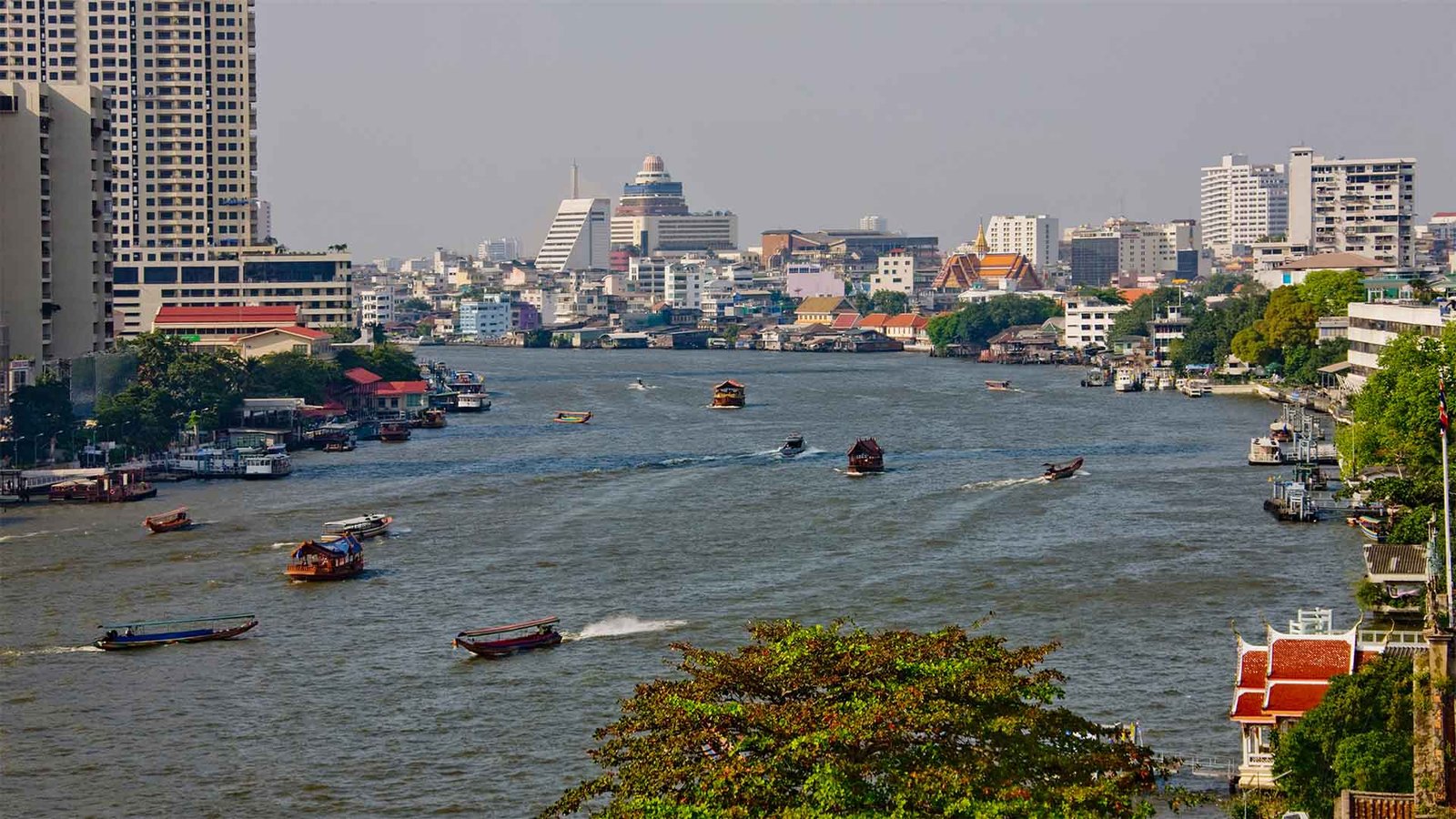
Understanding Bangkok begins not with its skyscrapers or modern shopping districts, but within the historic boundaries of Bangkok Old Town, also known as Rattanakosin. This area represents the birthplace of the Thai capital — a space where monarchy, Buddhism, and urban planning merged to shape the cultural and spiritual foundations of the city.
Bangkok Old Town is not defined by speed or spectacle. It is defined by continuity. Here, time moves differently, and the city reveals its original identity through sacred architecture, royal institutions, and riverside traditions that still guide daily life.
What Is Bangkok Old Town (Rattanakosin)?
Bangkok Old Town refers to the historic district established in 1782 when King Rama I founded Bangkok as the new capital of Siam. Officially known as Rattanakosin Island, the area is bordered by the Chao Phraya River and a network of historic canals, creating a natural boundary between the old capital and the modern city beyond.
This district was carefully designed to reflect balance — between political authority and spiritual order, royal power and religious devotion. Unlike other parts of Bangkok that evolved organically, Rattanakosin was intentionally planned as the ceremonial and symbolic core of the kingdom.
The Historical Significance of Rattanakosin
Rattanakosin marks the beginning of modern Thai statehood. After the fall of Ayutthaya, the establishment of Bangkok was both a political necessity and a symbolic rebirth. The city’s layout placed royal and religious institutions at its center, reinforcing the close relationship between the monarchy and Buddhism.
The concept of “island” was not merely geographic. It represented protection, stability, and sacred order — values that shaped Thailand’s governance and cultural identity for generations. Even today, Rattanakosin remains the reference point for understanding Thailand’s historical continuity.
Bangkok’s Spiritual Core: Temples of Rattanakosin
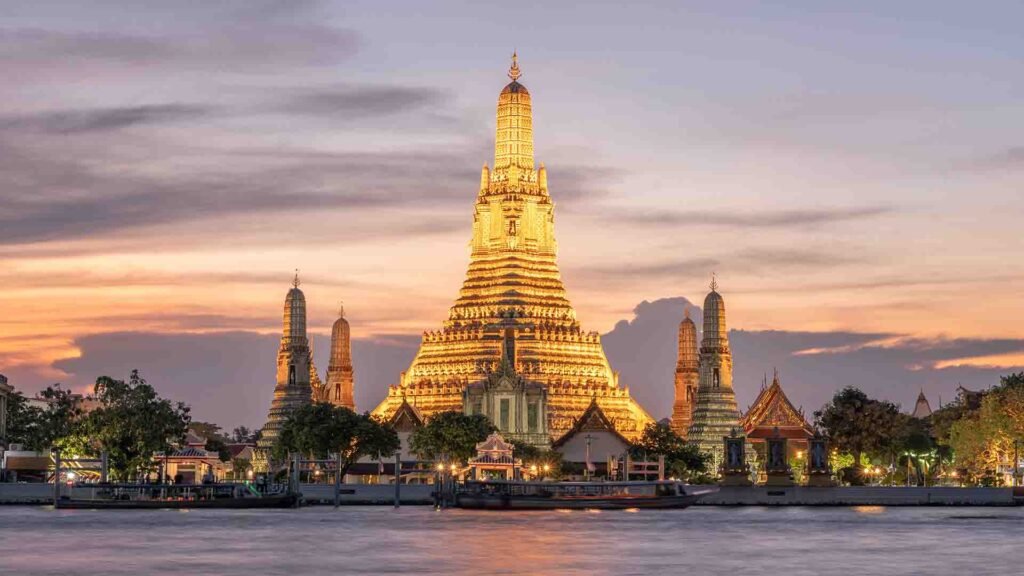
The spiritual identity of Bangkok Old Town is expressed through a small group of temples that together form the city’s sacred nucleus. Each temple represents a distinct dimension of Thai belief and cultural philosophy.
- The Grand Palace
The political and ceremonial heart of the kingdom, symbolizing royal authority, national identity, and state ritual. - Wat Phra Kaew
Thailand’s most sacred temple, housing the Emerald Buddha and representing spiritual protection at the national level. - Wat Pho
A center of learning and healing, home to the Reclining Buddha and the birthplace of traditional Thai massage. - Wat Arun Temple
Located across the river, symbolizing renewal, cosmology, and the spiritual significance of dawn.
Together, these temples should not be seen as isolated attractions, but as interconnected expressions of Thailand’s spiritual and cultural worldview.
Urban Design & Cultural Identity
Unlike modern Bangkok districts built around commerce and infrastructure, Bangkok Old Town was designed around meaning. Palaces, temples, and civic spaces were positioned to reflect hierarchy, harmony, and cosmological order.
This intentional design creates a unique atmosphere. Streets feel quieter, buildings carry symbolic weight, and everyday life unfolds alongside sacred spaces. Rattanakosin is not frozen in time — it is lived in, respected, and preserved as a cultural anchor.
Visiting Bangkok Old Town Today
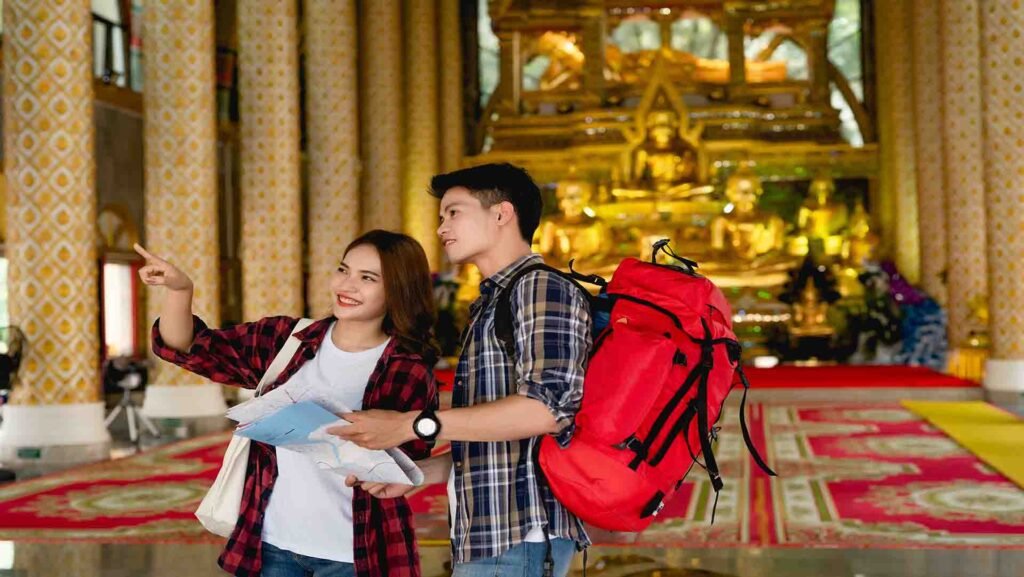
Exploring Bangkok Old Town requires a different pace, one that encourages observation rather than haste. Walking is often the best way to experience the area, allowing visitors to notice architectural details, local rhythms, and the subtle transitions between sacred and civic spaces.
- Walking routes reveal the intentional relationship between temples, palaces, and everyday life
- River ferries along the Chao Phraya River provide natural connections between sites, especially between Wat Pho and Wat Arun Temple
- Early mornings offer cooler temperatures and a calmer atmosphere before tour groups arrive
This slower rhythm allows visitors to experience Rattanakosin not as a collection of attractions, but as a living historical landscape.
How Bangkok Old Town Connects the City
Bangkok Old Town serves as the cultural and symbolic reference point for the entire city, anchoring modern Bangkok to its historical and spiritual foundations. While contemporary districts shape the city’s global image, Rattanakosin defines its enduring identity.
Understanding this historic core helps visitors see Bangkok not as a collection of attractions, but as a layered city where past and present coexist. The temples, palaces, and river routes of Old Town provide essential context for everything that surrounds them.
Suggested Walking Route Through Rattanakosin
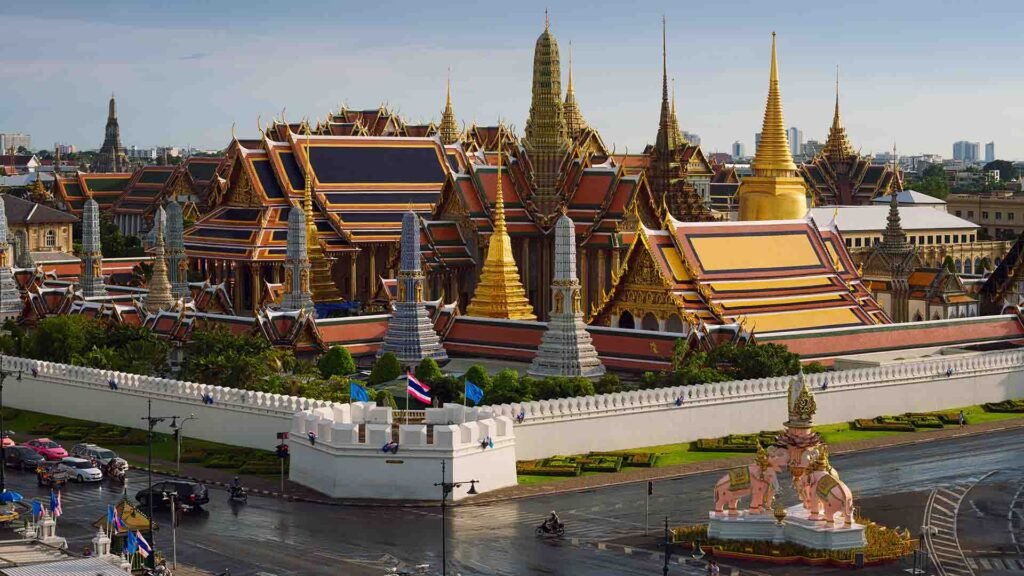
A thoughtfully planned walking route allows visitors to experience the narrative flow of Bangkok Old Town, connecting its most important royal and spiritual landmarks in a natural sequence.
- Begin at The Grand Palace and Wat Phra Kaew, the ceremonial and spiritual core of the kingdom
- Continue south to Wat Pho, offering contrast through learning, healing, and quiet reflection
- Cross the Chao Phraya River by ferry, following historic river routes
- Conclude at Wat Arun Temple, where the journey ends with renewal, light, and symbolic rebirth
This route brings together royal authority, spiritual wisdom, and transformation in a single, coherent experience.
Final Thoughts
Bangkok Old Town is not a place to rush through. It is a place to understand. Within Rattanakosin, Thailand’s history, beliefs, and cultural values converge in a way that remains deeply relevant today.
Seen together, its temples and royal spaces form a living narrative — one that explains not only how Bangkok was built, but why it continues to endure as the spiritual heart of the city.
For official travel guidance, cultural context, and up-to-date visitor information related to Bangkok Old Town and Rattanakosin, travelers can consult the Tourism Authority of Thailand, which provides reliable resources on Thailand’s historic districts and cultural heritage.
Related Temples in Bangkok
Bangkok’s spiritual identity is shaped by a small group of landmark temples, each reflecting a different aspect of Thai history, belief, and cultural tradition. Exploring these sacred sites together offers a deeper understanding of the city’s historic core.
- The Grand Palace: 👉 Thailand’s royal and ceremonial heart
- Wat Phra Kaew: 👉 Thailand’s royal temple and national symbol
- Wat Pho: 👉 Home of the Reclining Buddha and traditional Thai massage
- Wat Arun Temple: 👉 Iconic riverside temple symbolizing renewal and awakening